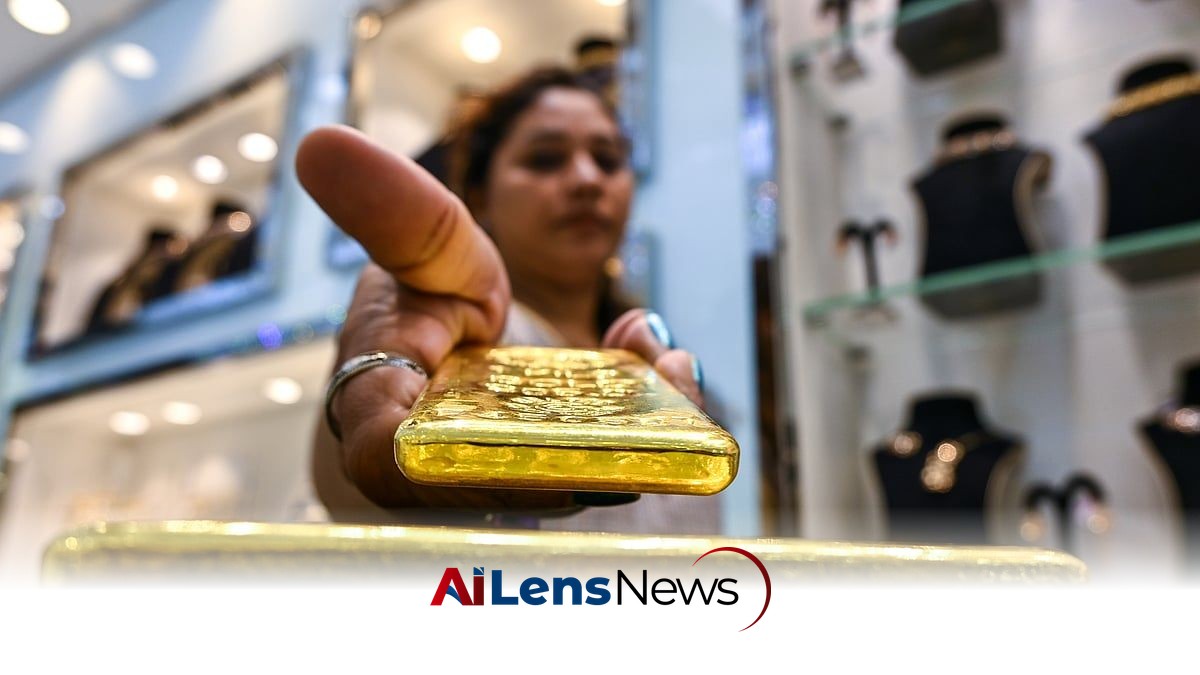



Gold prices in Dubai have increased following a volatile July, with 24K and 22K rates reflecting recent global market trends and geopolitical developments.
Abu Dhabi, United Arab Emirates Aug 3, 2026 ALN: Dubai: Gold prices moved higher on Monday morning, raising rates for jewellery buyers after remaining unchanged throughout the weekend. The fluctuations in gold prices are often indicative of broader economic trends and geopolitical events, making them a focal point for investors and consumers alike.
The 24-karat variety stood at Dh488.50 per gram at 8.17 am, up Dh1.25 from Dh487.25 on Sunday, while the 22-karat rate increased by Dh1 to Dh452.25 from Dh451.25. These prices reflect the ongoing volatility in the gold market, influenced by both local and international factors.
Dubai gold rates began August at Dh487.25 for 24K and Dh451.25 for 22K, with both prices holding at the same levels on Saturday and Sunday before Monday’s increase. The recent rise in prices is part of a broader trend observed over the past few weeks, where gold has shown significant fluctuations. The price movements are often tied to various economic indicators and geopolitical events that can affect investor sentiment and market dynamics.
Compared with July 31, the 24K rate has risen by Dh3.25 per gram, while the 22K variety has gained Dh3 per gram during the first three days of August. This increase comes after a month of notable volatility in July, where gold prices experienced wide movements. For instance, the 24K gold stood at Dh503 per gram on July 5 before falling to Dh481.50 on July 16 and July 17. The rate recovered to Dh500.75 on July 22 but eased again during the final days of the month to close July at Dh485.25.
The 22K variety followed a similar path, moving from Dh466 per gram on July 5 to Dh446 on July 16 and July 17. It later climbed to Dh463.75 on July 22 before finishing the month at Dh449.25. Such fluctuations often reflect market reactions to various economic indicators, including inflation rates, currency strength, and geopolitical tensions. The interplay of these factors can lead to rapid changes in market sentiment, causing gold prices to rise or fall unexpectedly.
The recent uptick in gold prices can be attributed to several global market influences. One significant factor is the ongoing negotiations between the United States and Iran. Gold advanced in international markets after US President Donald Trump announced that fresh negotiations with Iran would begin later on Monday. This announcement raised expectations of progress in the conflict and an easing of energy-driven inflation, which has been a concern for many economies. The potential for diplomatic resolutions can significantly impact investor confidence and market behavior.
Bullion was trading at around $4,070 an ounce after gaining 1% during July, marking its first monthly increase since February. This rise in bullion prices is significant, as it reflects a growing investor interest in gold as a safe-haven asset amid geopolitical uncertainties and economic fluctuations. Investors often turn to gold during times of crisis, viewing it as a stable store of value compared to more volatile assets.
Trump's comments regarding the cancellation of a large attack on Iran, following advice from Middle East allies, including Saudi Arabia, have also contributed to the fluctuations in oil prices. Benchmark Brent crude fell by more than 7% during Asian trading on Monday morning, indicating a possible easing of tensions in the region. Lower oil prices can lead to reduced inflationary pressures, which may influence gold prices, as the two commodities often move in tandem. A decrease in oil prices may also alleviate some of the cost pressures faced by consumers and businesses, potentially stabilizing the economy.
Another critical factor influencing gold prices is the monetary policy of the Federal Reserve. Traders are closely monitoring the Federal Reserve after The New York Times reported that Chairman Kevin Warsh was considering reducing the frequency of policy meetings. Such a move would represent a significant change for the US central bank, which currently holds eight meetings each year. The last meeting resulted in a 9-3 vote to leave interest rates unchanged, indicating a cautious approach amidst ongoing economic uncertainties. This cautious stance reflects the complexities of the current economic landscape, where inflation and growth concerns are both pressing issues.
Three officials who opposed the decision warned that delaying action could eventually require more aggressive policy measures. This reflects the delicate balance the Federal Reserve must maintain in managing inflation while supporting economic growth. Gold remains more than 20% lower since the US-Iran war began over five months ago, which has contributed to heightened market volatility. The Fed's decisions regarding interest rates can have immediate effects on gold prices, as higher rates typically make gold less attractive to investors seeking yield.
Higher energy costs have added to inflation concerns and increased the likelihood of interest rates remaining elevated. This scenario weighs on precious metals like gold because they do not offer interest income, making them less attractive during periods of rising interest rates. Investors need to consider how these macroeconomic factors will influence the future trajectory of gold prices.
The rising gold prices have direct implications for consumers, particularly those looking to purchase gold jewellery or invest in gold as a commodity. Higher gold prices can lead to increased costs for jewellery buyers, which may influence purchasing decisions. Consumers often monitor gold prices closely, especially in markets like Dubai, where gold is a popular choice for gifts and investments. The cultural significance of gold in many societies adds another layer of complexity to consumer behavior, as it is often associated with wealth and status.
For investors, the fluctuations in gold prices present both opportunities and risks. Gold is often viewed as a hedge against inflation and economic uncertainty, making it a popular asset during times of geopolitical tension or market volatility. However, the recent price movements also highlight the importance of staying informed about global economic trends and geopolitical developments, as these factors can significantly impact the value of gold. Investors may need to adjust their strategies based on anticipated changes in the market, including diversifying their portfolios to mitigate risks.
In conclusion, as gold prices continue to rise amid global market influences, both consumers and investors must navigate the complexities of the gold market. Understanding the underlying factors driving price changes can help individuals make informed decisions when purchasing gold or investing in this precious metal. The interplay of local and international factors can create a dynamic market environment, where price shifts can occur rapidly.
As the situation evolves, it will be essential to monitor ongoing developments in international relations, economic indicators, and monetary policy, as these will undoubtedly shape the future trajectory of gold prices. Keeping abreast of these changes will empower consumers and investors to make strategic choices in a fluctuating market, ultimately influencing their financial outcomes in the long run.
To learn more about the latest developments in Inflation & Prices, stay updated with our exclusive reports and analyses on AILensNews.

