

More
Checking your session
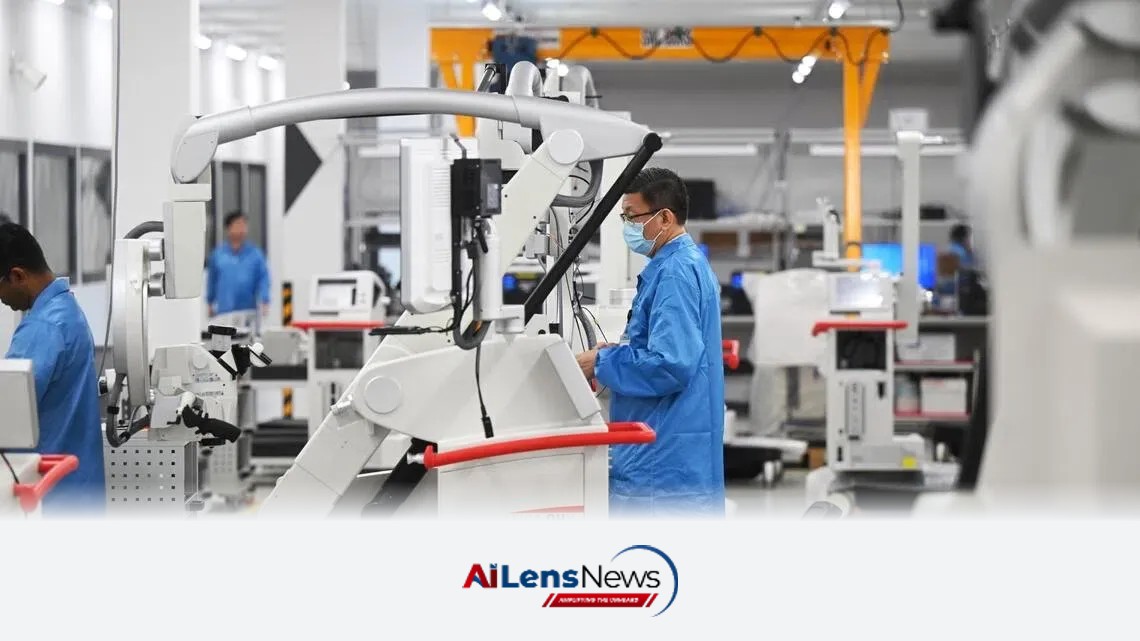



Singapore's manufacturing output saw a 6.8% increase in July, primarily driven by precision engineering and electronics, despite declines in biomedical and chemical sectors.
Singapore, Singapore Aug 26, 2026 ALN: Singapore’s manufacturing output grew in July, as all clusters except biomedical manufacturing and chemicals recorded growth. This positive trend is indicative of the broader recovery in the manufacturing sector, which plays a vital role in Singapore's economy.
Total factory output climbed 6.8 per cent year on year in July, following a revised 7.5 per cent rise in June. This expansion surpassed the 6.7 per cent growth forecast by economists in a Bloomberg poll, highlighting a stronger-than-expected performance in the sector. The manufacturing sector is crucial to Singapore's economy, contributing significantly to the nation’s GDP and providing employment to a substantial portion of the workforce.
Excluding the more volatile biomedical manufacturing industry, output increased 8 per cent, data from the Economic Development Board on Aug 26 showed. This figure underscores the resilience of the manufacturing sector, particularly in areas less affected by global supply chain disruptions.
Output from the precision engineering cluster saw the largest growth in July, jumping 17.7 per cent year on year. This sector is vital for Singapore, as it encompasses a range of industries, including machinery, systems, and components that are essential for high-tech manufacturing. Within this cluster, the machinery and systems segment expanded 18.2 per cent, driven by higher production of semiconductor equipment, which is a key area of growth given the global demand for chips.
The precision modules and components segment grew 15 per cent, led by optical instruments, electronic connectors, metal precision components, and dies, moulds, tools, jigs, and fixtures. This growth reflects the increasing demand for precision-engineered products in various high-tech applications, including telecommunications, automotive, and consumer electronics.
The electronics industry, which accounts for nearly half of Singapore’s manufacturing output, experienced an increase of 11.2 per cent year on year, led by the infocomms and consumer electronics as well as semiconductors segments, bolstered by sustained AI-related demand. The growing reliance on technology and digital solutions across various sectors has significantly boosted the electronics industry, making it a cornerstone of Singapore's manufacturing landscape.
Within this cluster, semiconductor output surged 8 per cent, while infocomms and consumer electronics added 51.7 per cent. This remarkable growth in the infocomms and consumer electronics segment indicates a strong recovery in consumer demand, particularly as more people adopt smart devices and connected technologies. Computer peripherals and data storage expanded by 0.8 per cent, and other electronic modules and components grew 2.5 per cent, contributing to the overall positive performance of the electronics sector.
General manufacturing output increased 4.9 per cent, with most segments reporting growth. This broad-based increase suggests a healthy recovery across various manufacturing sectors, driven by both domestic and international demand. However, the biomedical manufacturing and chemicals sectors faced declines, attributed to lower demand and supply disruptions. The biomedical sector, while a critical component of Singapore's manufacturing base, has been affected by changing global health dynamics and shifts in market needs.
Overall, the manufacturing sector's performance in July reflects a robust recovery trajectory, particularly in precision engineering and electronics, despite challenges in other areas. This resilience is essential for Singapore, which relies heavily on its manufacturing capabilities to maintain economic stability and growth.
As Singapore continues to navigate the complexities of global supply chains and market demands, the resilience of its manufacturing sector will be crucial for sustained economic growth. The government's ongoing efforts to support innovation and technology adoption in manufacturing will likely play a key role in ensuring the sector's competitiveness in the global market. Additionally, as companies adapt to the evolving landscape, including the integration of advanced technologies such as artificial intelligence and automation, the manufacturing sector is expected to further enhance its productivity and efficiency.
The growth in manufacturing output not only contributes to Singapore's economic performance but also has broader implications for employment and investment. As the sector expands, it is likely to create new job opportunities, particularly in high-skilled areas, which will be essential for attracting talent and fostering a sustainable workforce. Furthermore, the positive manufacturing output can boost investor confidence, leading to increased foreign direct investment in the country.
In conclusion, the July manufacturing output figures indicate a positive trend for Singapore's economy, with significant growth in precision engineering and electronics. The challenges faced by the biomedical manufacturing and chemicals sectors highlight the need for ongoing adaptation and resilience in the face of global economic shifts. As Singapore moves forward, the continued strength of its manufacturing sector will be critical in shaping its economic future and maintaining its position as a leading global manufacturing hub.
To learn more about the latest developments in Economic Reports, stay updated with our exclusive reports and analyses on AILensNews.

Kuwaiti banks report a significant rise in deposits and credit, with government …

The Philippines faces economic stagnation, with debates focusing on whether corr…

Kristalina Georgieva discusses the contrasting impacts of the oil shock and AI i…

Finance Minister Nirmala Sitharaman emphasizes India's rapid economic growth and…

Manus Cranny analyzes how US sanctions against Iran could disrupt the global fin…