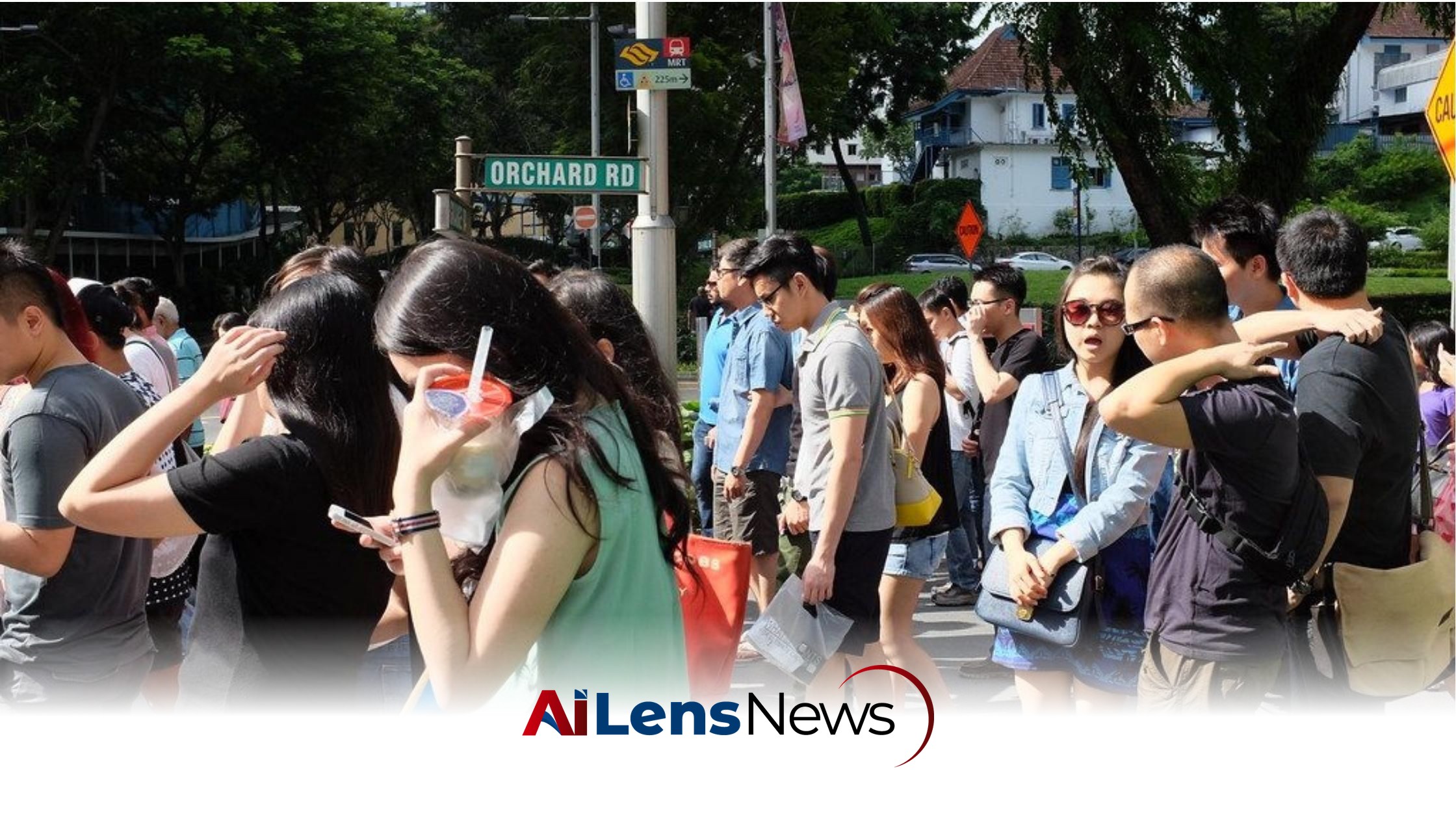


A recent UOB survey reveals a significant rise in Singapore's consumer confidence, driven by positive sentiments regarding the current and future economy.
Singapore, Singapore Jul 29, 2026 ALN: Singapore’s consumer confidence rebounded, recording the greatest improvement among ASEAN peers as optimism grew over the city-state’s current economy and future economic prospects, according to Singapore Business Review, citing the UOB ASEAN Consumer Sentiment Index.
The city-state achieved an index score of 56, up nine points from 47 in UOB’s September 2025 consumer sentiment survey, when the city-state held the lowest score in the region. Singapore’s latest score was also above the ASEAN average of 54. This notable increase highlights a shift in consumer sentiment, reflecting a growing belief in the stability and potential for growth within Singapore’s economy.
The report indicated that this rebound was driven by gains across all macroeconomic and personal finance indicators. Specifically, confidence in the current economy and future economic outlook rose to 66% and 63%, respectively. These figures suggest that consumers are not only feeling more secure about their immediate economic environment but are also optimistic about the longer-term economic trajectory.
Fewer consumers expressing concerns over household expenses, along with a heightened sense of optimism regarding long-term financial commitments, contributed significantly to lifting Singapore’s overall consumer sentiment index. This shift in perspective may reflect a broader trend of recovery as the economy continues to stabilize post-pandemic.
The report further added that Singapore’s strong economic performance in the first half of the year, driven in part by artificial intelligence-related demand, alongside government efforts such as the Community Development Council (CDC) vouchers, helped support consumer confidence. The government’s introduction of the Community Development Council (CDC) vouchers has been particularly effective in stimulating local spending, providing residents with additional financial resources to support their household expenses.
UOB Head of Research for Global Economics and Markets Research Suan Teck Kin remarked, "ASEAN-5 economies remained resilient in the first half of 2026, with Singapore and Thailand outperforming expectations." This statement underscores the broader regional context, where Singapore is not only recovering but also leading in terms of consumer confidence and economic performance within the ASEAN framework.
Channel News Asia reported that Singapore’s economy is expected to remain on a “firm growth trajectory” for the rest of the year, citing the Monetary Authority of Singapore’s (MAS) latest quarterly macroeconomic review. The MAS has provided insights into the underlying factors driving this growth, particularly emphasizing the role of technology-related industries.
According to the MAS, technology-related industries are likely to drive most of the economy’s growth in 2026. The strong demand linked to the global artificial intelligence boom is expected to play a pivotal role in this growth, helping to offset pressures from higher energy prices and fresh US tariffs. The increasing integration of AI across various sectors has the potential to enhance productivity and spur innovation, thereby contributing positively to the overall economic landscape.
However, it is crucial to approach these optimistic forecasts with caution. The MAS has cautioned that current AI valuations could prove overly optimistic if earnings fail to meet investors’ expectations. This highlights a critical area of concern for both consumers and investors alike, as the rapid pace of technological advancement can lead to volatility in market valuations.
In addition to technological advancements, Singapore’s economic resilience can also be attributed to its strategic positioning as a global business hub. The city-state has consistently attracted foreign direct investment (FDI), bolstered by its robust regulatory framework, skilled workforce, and favorable business environment. This influx of investment not only supports job creation but also enhances consumer confidence as businesses expand and innovate.
The implications of this rebound in consumer confidence are significant. Increased consumer spending can lead to higher demand for goods and services, which in turn can stimulate economic growth. Businesses may respond to this heightened demand by increasing production, hiring more staff, and investing in new technologies. This cycle of growth can create a positive feedback loop, further enhancing consumer sentiment and economic stability.
Furthermore, the recovery of consumer confidence can have broader societal implications. As individuals feel more secure in their financial situations, they may be more inclined to make significant purchases, such as homes or vehicles, which can have a cascading effect on various sectors of the economy. This can also lead to increased investment in education and skills development, as individuals seek to improve their employability and adapt to the changing job market influenced by technological advancements.
In conclusion, Singapore’s rebound in consumer confidence amidst economic optimism is a positive indicator of the city-state’s resilience and potential for growth. While challenges remain, particularly regarding the sustainability of AI valuations and external economic pressures, the current trajectory suggests a favorable outlook for both consumers and businesses. As Singapore continues to navigate the complexities of a rapidly changing global economy, maintaining this momentum will be crucial for ensuring long-term economic stability and prosperity.
The improvement in consumer confidence is not only a reflection of personal financial situations but also a response to broader economic indicators, including GDP growth, employment rates, and inflation trends. For instance, Singapore's GDP growth has been bolstered by a strong export sector, particularly in electronics and pharmaceuticals, which has seen increased global demand. This growth in export activities has, in turn, created jobs and supported local businesses, further enhancing consumer sentiment.
Moreover, the government has implemented various fiscal measures aimed at supporting households and businesses during challenging times. These measures include subsidies, tax relief, and direct financial assistance programs designed to alleviate the financial burden on families and stimulate economic activity. By providing a safety net, the government has helped to foster a sense of security among consumers, encouraging them to spend rather than save excessively during uncertain times.
As Singapore looks ahead, the focus on innovation and technology will likely remain a cornerstone of its economic strategy. The city-state has invested heavily in research and development, particularly in sectors such as biotechnology, fintech, and smart city initiatives. These investments are aimed at positioning Singapore as a leader in the global economy, attracting talent and investment while creating high-quality jobs for its residents.
Furthermore, the emphasis on sustainability and green technologies is becoming increasingly important in Singapore’s economic narrative. With global awareness of climate change and environmental sustainability growing, Singapore has taken proactive steps to integrate green practices into its economic planning. This includes investments in renewable energy, sustainable urban development, and initiatives aimed at reducing carbon emissions. As consumers become more environmentally conscious, businesses that align with these values may see enhanced brand loyalty and consumer support.
In summary, Singapore's rebound in consumer confidence is a multifaceted phenomenon driven by a combination of economic recovery, government support, technological advancements, and a shift towards sustainability. The outlook for the city-state appears optimistic, but it is essential for stakeholders to remain vigilant about potential risks and uncertainties that could impact this positive trajectory. By fostering an environment conducive to growth and innovation, Singapore can continue to build on its strengths and navigate the challenges of an evolving global economy.
To learn more about the latest developments in Inflation & Prices, stay updated with our exclusive reports and analyses on AiLensNews.

