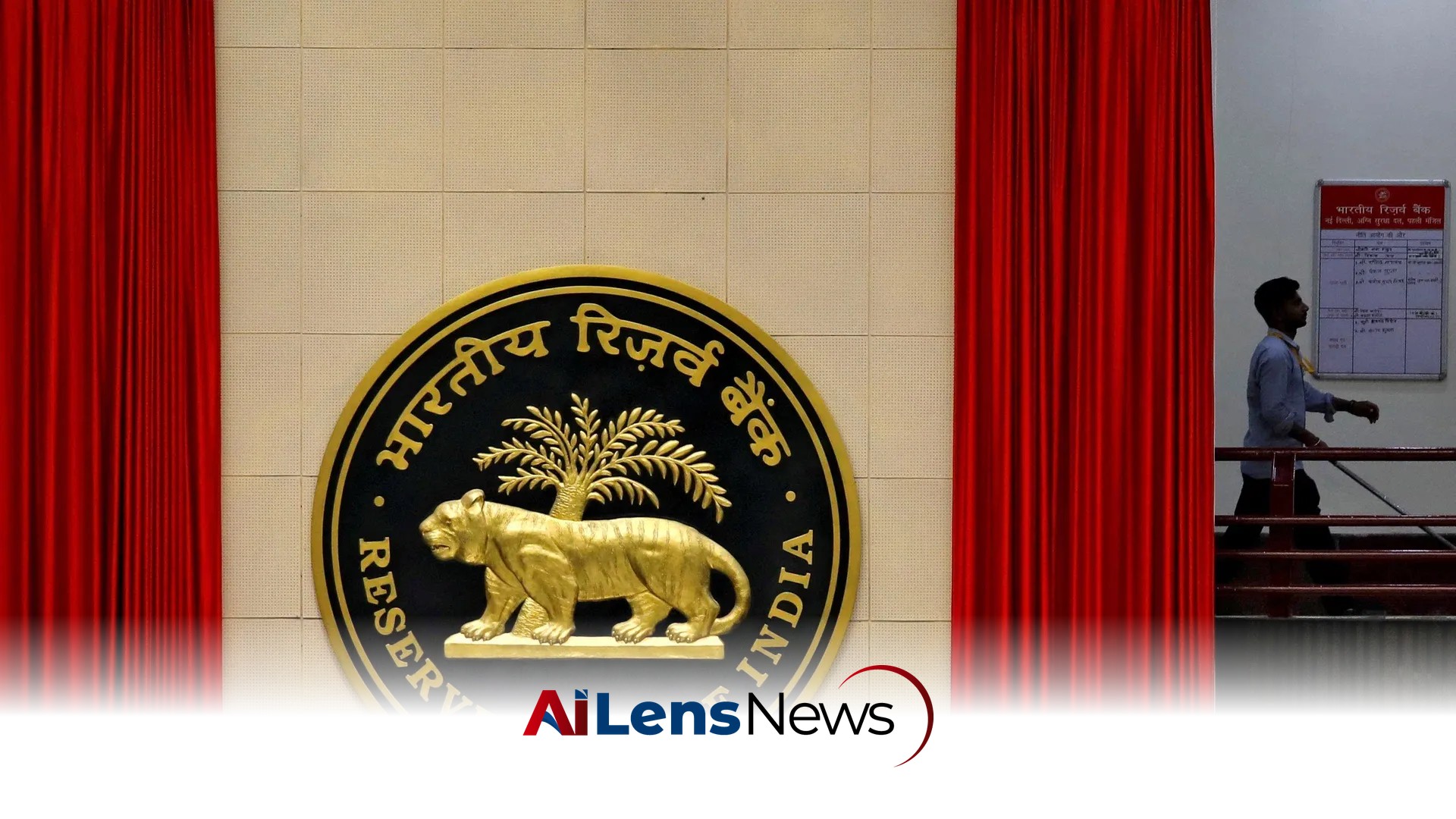


The Reserve Bank of India reports significant capital inflows aimed at stabilizing the economy amid rising oil prices.
Singapore, Singapore Jul 20, 2026 ALN: [MUMBAI] India’s central bank has attracted more than US$20 billion under a set of measures announced to strengthen the country’s balance of payments and boost capital inflows, the Reserve Bank of India said on Monday (Jul 20), about a month after the steps were unveiled.
The Reserve Bank of India (RBI), which plays a crucial role in the country’s monetary policy and financial stability, announced a series of foreign exchange measures in June. These measures included concessional hedging facilities and swap arrangements aimed at encouraging overseas fundraising by state-run firms and banks, as well as through foreign currency non-resident deposits. This initiative is especially significant as India grapples with fluctuating currency values and a delicate balance of payments situation.
The backdrop to these measures is characterized by sustained pressure on the Indian rupee, which has been declining against the US dollar and has reached a series of record lows. This depreciation has been exacerbated by external factors, particularly the ongoing conflict in Iran, which has led to a sharp increase in global oil prices. As India is a major importer of oil, rising prices pose a significant risk to the country's economic stability and could lead to a third consecutive year of a balance of payments (BoP) deficit.
The RBI reported that it received US$17.41 billion via Foreign Currency Non-Resident (FCNR) deposits raised by banks and swapped with the RBI under a zero-cost facility. This arrangement has allowed banks to offer higher returns on such deposits, making them more attractive to overseas investors. The FCNR deposits are a key component of the RBI's strategy to enhance capital inflows and stabilize the rupee.
In addition to the FCNR deposits, the central bank also received US$1.34 billion through swap facilities for External Commercial Borrowings (ECB) and US$1.97 billion through Overseas Foreign Currency Borrowings (OFCB) undertaken by authorized lenders. These inflows are critical as they contribute to the overall liquidity in the financial system and help mitigate the pressures on the rupee.
The cumulative capital inflows from these measures have amounted to US$20.7 billion between June 8 and July 17. This substantial influx of capital is particularly notable given the current economic climate, where the rupee is facing renewed pressure from rising oil prices amid ongoing geopolitical tensions in the Middle East. On the day of the report, the currency declined to a two-month low of 96.5250 against the dollar, highlighting the fragility of the situation.
Under the swap facility, the inflows are absorbed by the central bank and reflected as part of its foreign exchange reserves. This mechanism not only bolsters the reserves but also provides a buffer against currency volatility. The RBI's ability to manage these reserves is critical for maintaining investor confidence and ensuring economic stability.
Gaura Sen Gupta, chief economist at IDFC First Bank, commented on the implications of these inflows, stating, “We believe the comfort from additional capital flows will lead to a mild BoP surplus for the year and moderate the pace of depreciation in the rupee.” This perspective underscores the potential positive impact of the RBI's measures on the overall economic landscape, suggesting that the central bank may be able to stabilize the rupee and prevent further depreciation.
Furthermore, Sen Gupta indicated that the RBI might use this opportunity to reduce the size of its forward book, which refers to the central bank's commitments to sell or buy foreign currency at predetermined rates in the future. At the end of May, the central bank’s net forward dollar liabilities stood at US$106.6 billion, while its foreign exchange reserves were reported at US$675.1 billion as of July 10. This indicates a significant buffer that the RBI has at its disposal to manage currency fluctuations and uphold the stability of the financial system.
The RBI’s proactive measures come at a time when many emerging economies are facing similar challenges related to capital flows, currency stability, and inflationary pressures. The global economic environment has been tumultuous, with uncertainties stemming from geopolitical tensions, supply chain disruptions, and fluctuating commodity prices. In this context, the RBI's strategy to attract foreign capital is not only a response to immediate pressures but also a long-term approach to bolster the Indian economy's resilience.
In conclusion, the RBI's recent measures to attract over US$20 billion in capital inflows are a critical part of its strategy to stabilize the Indian rupee and manage the balance of payments. The success of these measures will depend on a variety of factors, including global economic conditions, commodity prices, and domestic economic policies. As the RBI continues to navigate these complexities, its actions will be closely monitored by investors and policymakers alike, as they hold significant implications for India's economic trajectory in the coming months and years.
The Indian economy has been on a path of recovery following the impact of the COVID-19 pandemic, which had disrupted supply chains and resulted in significant economic contraction. The RBI's measures are also seen as essential in fostering a conducive environment for foreign investments, which are crucial for sustainable growth. The central bank's efforts to stabilize the rupee and enhance capital inflows can potentially lead to increased investor confidence, encouraging more foreign direct investment (FDI) and portfolio investment into the country.
Moreover, the RBI's actions reflect a broader trend among central banks worldwide, particularly in emerging markets, where monetary authorities are increasingly taking proactive steps to manage currency volatility and bolster economic resilience. As global financial conditions continue to evolve, the RBI's strategies may serve as a model for other central banks facing similar challenges.
It is also important to highlight that while capital inflows can provide immediate relief to the balance of payments, they must be managed prudently to avoid potential pitfalls such as excessive reliance on foreign capital or the risk of sudden capital flight. The RBI's ongoing commitment to transparency, effective communication, and sound monetary policy will be vital in ensuring that these inflows contribute positively to the economy without creating new vulnerabilities.
In light of these developments, stakeholders including investors, businesses, and policymakers will be keenly observing the RBI's next moves. The central bank's ability to navigate the complex interplay of domestic and global economic factors will be crucial in determining the trajectory of the Indian economy in the near future. As the situation unfolds, the RBI's measures to attract capital inflows will likely remain a focal point of discussions regarding economic policy and financial stability in India.
To learn more about the latest developments in Economic Reports, stay updated with our exclusive reports and analyses on AiLensNews.

