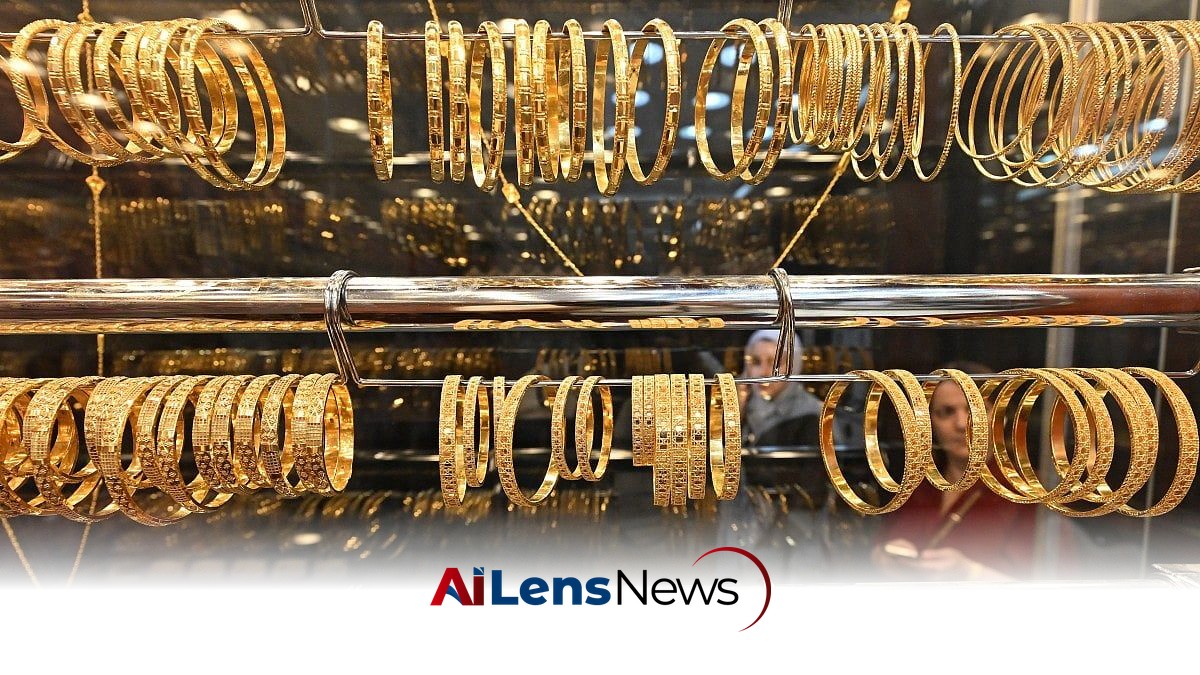


Dubai gold prices have decreased following a midweek increase, providing shoppers with modest savings on jewelry purchases as 24K and 22K rates drop.
Riyadh, Saudi Arabia Jul 16, 2026 ALN: Dubai: Dubai gold prices moved lower on Thursday morning, reversing the increase recorded a day earlier and offering shoppers a modest reduction in rates. The fluctuations in gold prices are a reflection of broader economic conditions and geopolitical tensions that often influence investor behavior and market dynamics. The 24-karat variety stood at Dh486.25 per gram at 9.25 am, down Dh3.50 from Dh489.75 on Wednesday. The 22-karat variety fell by Dh3.25 to Dh450.25 from Dh453.50. These changes, while modest, are significant for consumers who may be looking to purchase gold for personal use or as an investment. The pricing of gold in Dubai is closely watched, as the emirate is a major hub for gold trading in the Middle East.
Thursday’s decline leaves 24-karat gold Dh16.75 below its July high, while 22-karat gold is Dh15.75 cheaper than its highest level this month. Understanding these price movements is crucial for consumers and investors alike, as they can indicate trends in the market, influenced by various factors including demand, supply, and external economic conditions. The fluctuation of gold prices is often tied to a variety of indicators, including currency strength, inflation rates, and geopolitical stability, making it a complex market to navigate.
Gold began July at Dh489.75 per gram for 24-karat and climbed above Dh500 by July 3, before reaching a monthly high of Dh503 on July 4 and July 5. The 22-karat variety followed a similar path, rising from Dh453.50 at the beginning of the month to a July peak of Dh466. The fluctuations in gold prices throughout the month illustrate the volatility that can occur in commodity markets, often driven by investor sentiment and macroeconomic indicators. Prices then moved lower, with 24-karat gold falling to Dh483.50 on July 13 and 22-karat gold dropping to Dh447.75. Both varieties recovered over the following two days before giving up part of those gains on Thursday. This pattern of rising and falling prices is not uncommon in the gold market, where traders react to news events, economic reports, and changes in global markets.
Compared with the beginning of July, 24-karat gold is now Dh3.50 cheaper per gram, while the 22-karat rate is down Dh3.25. A buyer purchasing 10 grams of 24-karat gold would pay Dh35 less than on Wednesday and Dh167.50 less than at the monthly peak, before jewellery-making charges and taxes are added. This price reduction might encourage consumers to make purchases now rather than wait for potential price increases in the future. The psychology of consumers plays a significant role in the gold market; many buyers may perceive lower prices as an opportunity to invest in gold, especially in a region like Dubai, where gold is often viewed as a symbol of wealth and status.
International gold prices also declined after the United States completed its latest round of strikes on Iran, deepening concerns over the conflict and its impact on energy prices and inflation. Geopolitical tensions often lead to increased demand for gold as a safe-haven asset, but in this instance, the immediate fallout from military actions has created uncertainty, leading to price drops. Bullion fell by as much as 0.9% to near $4,025 an ounce after US President Donald Trump pledged to intensify the strikes until Tehran stopped attacking vessels in the Strait of Hormuz and agreed to reopen the waterway. The Strait of Hormuz is a critical chokepoint for global oil supplies, and any disruption in this area can lead to significant fluctuations in oil prices, which in turn impact inflation and economic stability.
The interim peace agreement signed last month has largely broken down, while oil prices rose for a fourth consecutive day on Thursday. Higher oil prices could keep inflation elevated and influence the US Federal Reserve’s interest-rate decisions, creating pressure for gold because the metal does not offer investors regular income. This interconnection between oil prices, inflation, and gold prices underscores the complex nature of global economics, where one event can trigger a series of reactions across different markets. Investors often turn to gold during times of uncertainty, viewing it as a hedge against inflation and currency devaluation.
Gold has remained close to $4,000 an ounce in recent weeks after falling 14% during the second quarter, its weakest quarterly performance since 2013. This decline followed expectations that the Federal Reserve could raise interest rates to control inflation caused by the war and higher energy costs. As investors weigh the implications of potential interest rate hikes, they may adjust their portfolios accordingly, which can lead to further volatility in gold prices. The gold market is characterized by its sensitivity to interest rates; when rates rise, the opportunity cost of holding gold increases, often leading to lower demand.
US producer price inflation data released on Wednesday was softer than expected, showing that underlying price pressures had eased before the latest escalation in the Middle East. This data point is significant as it may give the Federal Reserve more time to assess the economy, although a continued rise in energy prices could complicate that outlook. The balancing act for the Federal Reserve is to manage inflation while supporting economic growth, a challenging task in the current environment. The potential for rising interest rates can create a ripple effect across various asset classes, influencing how investors allocate their resources.
Federal Reserve Chairman Kevin Warsh has said interest rates remain among the tools available to control inflation, while indicating that policymakers can remain patient before deciding their next move. This statement reflects a cautious approach to monetary policy, recognizing the need for careful consideration of economic indicators before making decisions that could impact markets. The Federal Reserve's decisions are closely monitored by investors, as changes in interest rates can have significant implications for asset prices, including gold.
Overall, the recent fluctuations in gold prices in Dubai and the broader international market highlight the intricate interplay of local and global economic factors. As consumers and investors navigate these changes, staying informed about market trends and geopolitical developments will be essential for making sound financial decisions. The gold market's volatility is a reminder of the interconnectedness of global economics, where local price movements can be influenced by international events, creating a dynamic environment for both consumers and investors alike.
To learn more about the latest developments in Economic Reports, stay updated with our exclusive reports and analyses on AiLensNews.

