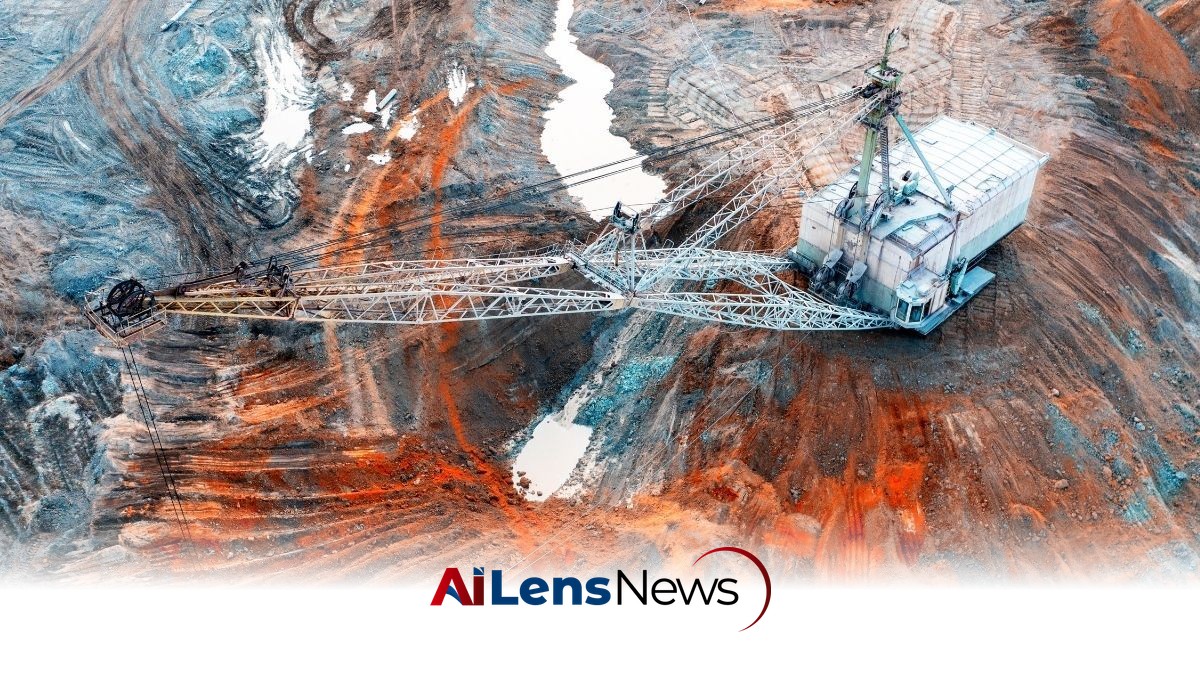


The Al Attiyah Foundation's latest research highlights the rising demand for critical minerals, driven by advancements in electric vehicles and clean energy technologies.
Doha, Qatar Jul 25, 2026 ALN: Critical minerals are emerging as one of the world’s most important strategic resources, with demand driven by the growth of electric vehicles, artificial intelligence, advanced manufacturing and defence technologies, according to a new research paper by the Al Attiyah Foundation.
In its latest sustainability research paper, ‘In Search of Critical Minerals: Challenges and Opportunities’, the foundation examines how competition for critical minerals is reshaping industrial policy, energy security and global trade.
The report notes that minerals such as lithium, cobalt, nickel, copper and rare earth elements have become essential components of the global energy transition and the technologies expected to power future economies. These minerals are crucial for the production of batteries, electronics, and various technologies that are foundational to modern life. The increasing reliance on renewable energy sources, such as wind and solar power, further amplifies the demand for these materials, as they are integral to the infrastructure required for energy storage and conversion.
According to the paper, the International Energy Agency estimates that demand for minerals used in clean energy technologies could double by 2030 and quadruple by 2040 under a global net-zero emissions pathway. This projection underscores the urgency for countries to secure their supply chains to meet future energy and technological needs.
The report highlights significant concentration within global supply chains. The dependency on a limited number of countries for the extraction and processing of critical minerals raises concerns about supply chain vulnerabilities. This concentration can lead to geopolitical tensions and market volatility, as nations vie for control over these essential resources.
Among the key findings:
The report notes that refining activities have become even more concentrated than mining, with the three largest processing countries controlling around 86% of global capacity. This situation creates a bottleneck that can disrupt the supply chain, particularly in times of geopolitical conflict or economic instability.
According to the foundation, concerns over supply chain resilience are prompting governments worldwide to place greater emphasis on securing reliable access to critical minerals. Many nations are reassessing their strategies to ensure they are not overly reliant on a few countries for these vital resources.
The report states that China, the United States and the European Union account for 48% of global policy measures related to critical minerals, reflecting the increasing importance of these resources in national economic and industrial strategies. The U.S. and EU have initiated various programs aimed at reducing dependency on Chinese minerals, including investments in domestic mining and processing capabilities. This shift is indicative of a broader trend where nations are prioritizing the establishment of secure and sustainable supply chains for critical minerals.
While mining often receives the greatest attention, the report argues that significant economic value increasingly lies in downstream activities such as:
The paper suggests that developing these industries can help countries diversify their economies while capturing greater value from mineral supply chains. By investing in processing and manufacturing, countries can create jobs and stimulate economic growth, moving beyond the traditional role of raw material exporters.
It also highlights the growing role of recycling, noting that recycled lithium, nickel and cobalt could potentially meet 20-30% of global demand by the middle of the century under supportive policy frameworks. Recycling not only conserves natural resources but also reduces the environmental impact associated with mining and processing new materials. Policymakers are increasingly recognizing the importance of establishing robust recycling systems to complement primary production.
The report suggests GCC countries are well positioned to benefit from the global shift towards critical minerals. The Gulf Cooperation Council (GCC) states, which include Bahrain, Kuwait, Oman, Qatar, Saudi Arabia, and the United Arab Emirates, have been diversifying their economies away from oil dependency and are now looking to capitalize on the demand for critical minerals.
Rather than competing directly with established mining producers, Gulf countries could become international hubs for financing, processing, logistics and trading, supported by strong infrastructure, access to capital and competitive energy costs. The GCC's strategic geographical location also provides an advantage in logistics, enabling efficient transportation routes for critical minerals to global markets.
The Al Attiyah Foundation concludes that countries capable of developing resilient, integrated and sustainable critical mineral supply chains will be best placed to shape the future low-carbon economy. This vision aligns with global efforts to combat climate change and transition towards sustainable energy solutions. As nations increasingly recognize the strategic importance of critical minerals, the ability to secure and manage these resources will play a pivotal role in shaping economic and geopolitical dynamics in the coming decades.
For related reports and other publications, visit abhafoundation.org
Check out ’s FREE e-Guides for everything you need to know about Qatar.
To learn more about the latest developments in Economic Reports, stay updated with our exclusive reports and analyses on AiLensNews.

