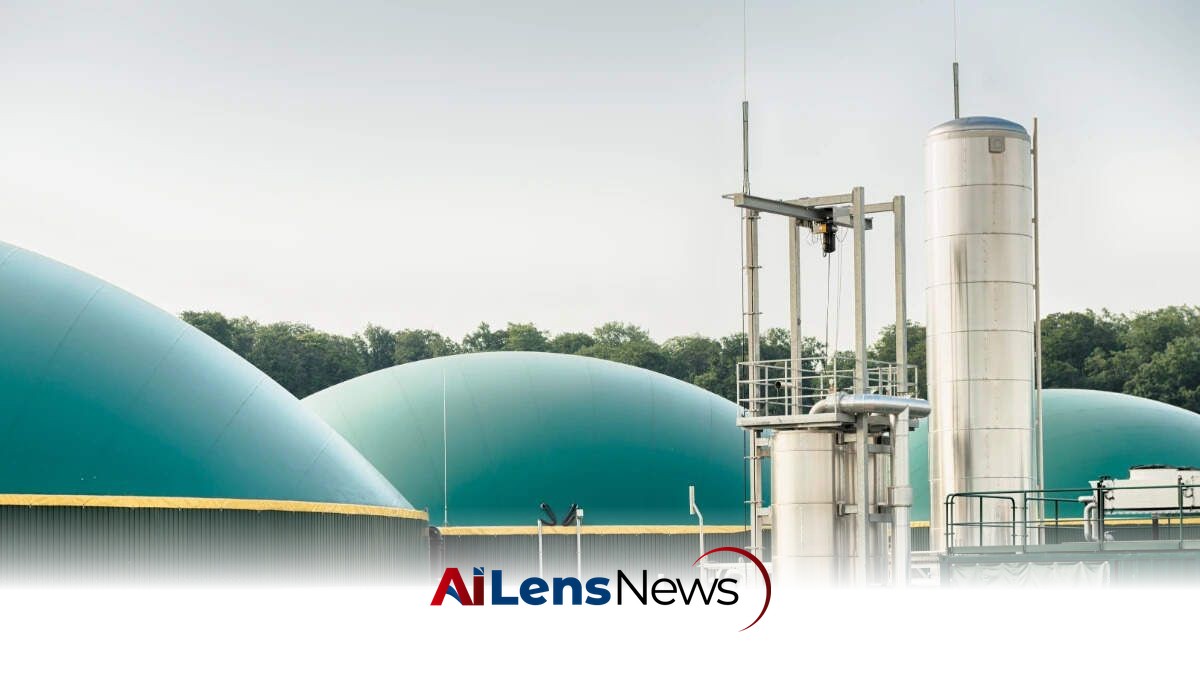


Assam is set to boost sustainable development with a new compressed biogas plant. The National Dairy Development Board, Suzuki R&D India, and North East Dairy and Foods Ltd. have partnered to convert agricultural and dairy waste into clean biogas and organic fertiliser.
New Delhi, India Jul 5, 2026 ALN: Guwahati: In a major step towards promoting sustainable development and clean energy in Assam, the National Dairy Development Board (NDDB), Suzuki R&D Centre India Pvt. Ltd. (SRDI), and North East Dairy and Foods Ltd. (NEDFL), which markets dairy products under the Purabi brand, have signed a Memorandum of Understanding (MoU) to establish a compressed biogas (CBG) plant in Assam.
The MoU was signed in the presence of Toshihiro Suzuki, President of Suzuki Motor Corporation, and Meenesh Shah, Chairman of NDDB. The agreement was signed by S Rajeev, Executive Director of NDDB, Satya Brata Bose, Managing Director of NEDFL, and Kenichiro Toyofuku, Director of SRDI. North East Dairy and Foods Limited (NEDFL) is a joint venture between the Government of Assam and NDDB, established to enhance the dairy sector in the region and provide a stable market for dairy farmers.
The proposed project marks a significant milestone in Assam’s journey towards a circular by converting agricultural and dairy waste into compressed biogas, a clean and renewable fuel, and organic fertiliser. Compressed biogas can be used as a clean fuel for vehicles and industrial applications, making it an alternative to conventional fossil fuels while helping reduce emissions. The transition to biogas is particularly relevant in the context of India’s energy needs as it seeks to diversify its energy sources and reduce dependence on fossil fuels.
The initiative is expected to promote scientific waste management, reduce greenhouse gas emissions, strengthen rural livelihoods, and contribute to cleaner mobility. Under the collaboration, NDDB will provide technical and institutional support for the project. NEDFL will execute the project, operate the proposed CBG plant, and undertake the marketing and sale of the compressed biogas and bio-fertilizers produced. Suzuki R&D India will invest in the project and realise the associated carbon benefits arising from the reduction in carbon emissions. This collaboration highlights the growing trend of public-private partnerships in India aimed at addressing environmental challenges while fostering growth.
The project is also expected to create an additional source of income for farmers by generating value from agricultural and dairy waste. In many rural areas, agricultural waste is often burned or left to decompose, which can contribute to air pollution and greenhouse gas emissions. By converting this waste into biogas, the project not only provides farmers with an alternative revenue stream but also helps mitigate environmental impacts. The organic fertiliser produced will support sustainable agricultural practices and improve soil health, which is crucial for maintaining agricultural productivity in the region.
Chairman of NDDB, Meenesh Shah, highlighted that the North-East and Assam are known for near-natural agriculture. This initiative will further take the State towards sustainable organic agriculture together with improved income from dairying. The emphasis on organic practices aligns with global trends towards sustainability and environmental responsibility, which are becoming increasingly important to consumers. As such, the project could enhance the marketability of dairy products from the region.
In a statement, Toshihiro Suzuki, Representative Director and President of Suzuki Motor Corporation, said: “Suzuki is currently involved in nine biogas plants across India, two of which are already in operation in Banaskantha, Gujarat. With the new memorandum of understanding regarding a biogas plant in Assam signed, Suzuki will continue to make contributions in its own way toward the efforts of the governments of Japan and India to promote the adoption of biogas plants in India.” This statement underscores Suzuki's commitment to sustainability and its proactive approach to integrating environmental considerations into its business model.
Apart from the socio- benefits that will be accrued, the concept matches the region’s propensity to support and pursue green initiatives. The northeastern states of India have been increasingly focusing on sustainable development, leveraging their rich biodiversity and natural resources. SB Bose, Managing Director of NEDFL, reiterated Purabi’s commitment to turn this project into a milestone in the journey to a cleaner and greener world. By establishing a CBG plant, the initiative is expected to serve as a model for similar projects in other regions, promoting the idea of waste-to-energy solutions.
The proposed CBG plant is expected to strengthen Assam’s commitment to sustainable development by integrating clean energy production with responsible waste management. The partnership also reflects the shared commitment of NDDB, Suzuki R&D India, and NEDFL to developing innovative and environmentally sustainable solutions that benefit farmers, industry, and society alike. This collaboration is not only a step towards enhancing energy security in the region but also contributes to India's broader goals of reducing carbon emissions and promoting renewable energy sources.
As the world grapples with the impacts of climate change, projects like the CBG plant in Assam could play a crucial role in transitioning to a more sustainable energy future. By harnessing local resources and promoting circular principles, the initiative aligns with global sustainability goals and underscores the importance of collaborative efforts in addressing environmental challenges. The success of this project could pave the way for further investments in renewable energy and waste management solutions, ultimately contributing to a more sustainable and resilient in Assam and beyond.
In conclusion, the establishment of the compressed biogas plant in Assam represents a significant advancement in the state’s efforts to promote sustainable energy solutions and enhance the livelihoods of local farmers. Through effective collaboration among public and private entities, this initiative has the potential to make a lasting impact on the environment, , and society, setting a precedent for future sustainable development projects in India.
To learn more about the latest developments in Development Economics, stay updated with our exclusive reports and analyses on AiLensNews.

