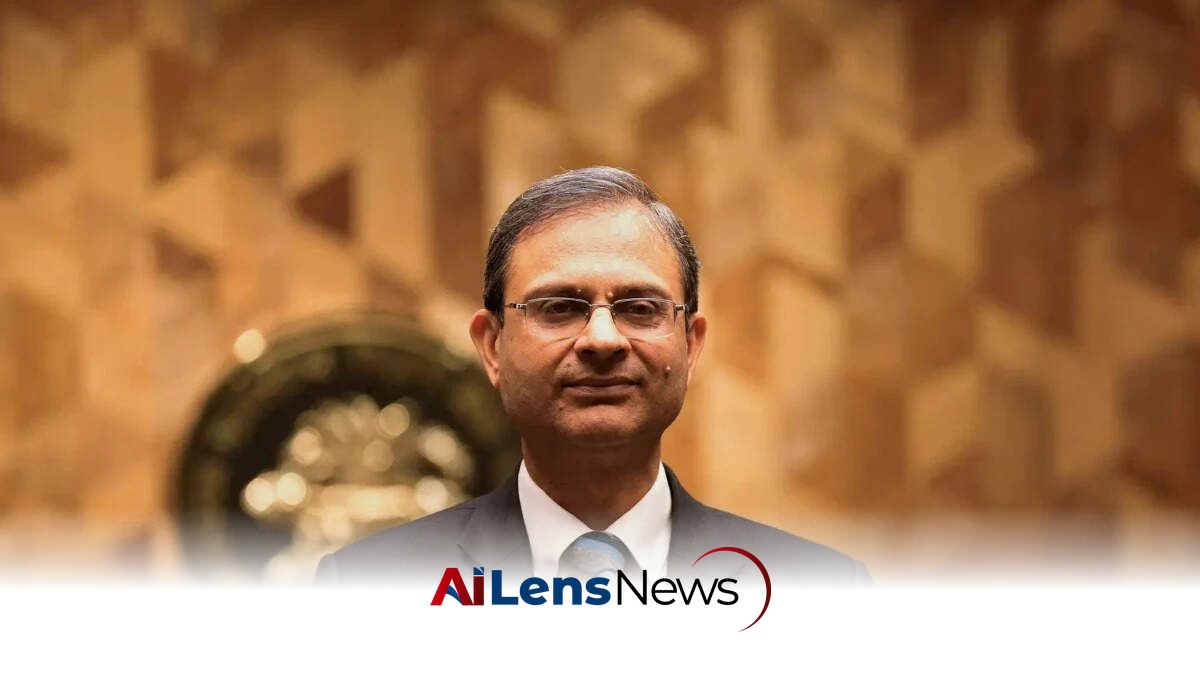


RBI Governor Sanjay Malhotra warns that the West Asia crisis and a potential weak monsoon could hinder India's growth, despite a robust GDP forecast.
New Delhi, India Jul 17, 2026 ALN: New Delhi: Reserve Bank Governor Sanjay Malhotra has stated that the ongoing crisis in West Asia and the expectation of a weak monsoon present significant risks to India's growth. The geopolitical tensions in West Asia, including conflicts and instability, have the potential to disrupt global oil supplies and affect trade routes, which could have a cascading effect on India's , particularly as the nation heavily relies on imported crude oil for its energy needs.
"Despite global uncertainties, India has witnessed an over 7 percent growth rate in the past few years. Last financial year, India clocked a growth rate of 7.7 percent supported by strong and robust macro fundamentals," he said in an interview to DD News. This growth has been attributed to various factors, including domestic consumption, government spending, and a resurgence in investment. However, the RBI Governor cautioned that the current geopolitical climate poses challenges that could impede this momentum.
The Reserve Bank of India (RBI) has projected a GDP growth of 6.6 percent for the current financial year despite various challenges, he added. This projection reflects a cautious optimism, acknowledging the resilience of the Indian while also recognizing the potential headwinds posed by external factors such as the West Asia crisis and domestic issues like monsoon variability.
Robust Monetary and Fiscal Policies
Malhotra emphasized that the country's monetary and fiscal policies are robust, contributing to the high GDP growth. The government has implemented measures aimed at boosting infrastructure spending and enhancing the ease of doing business, which have played a pivotal role in attracting investment and fostering growth. He noted that the RBI has raised its inflation forecast to 5.1 percent for FY27, up from an earlier estimate of 4.6 percent. This adjustment underscores the RBI's commitment to monitoring inflation trends closely and adjusting its policies accordingly to maintain stability.
Inflation surpassing the Reserve Bank's median target of 4 percent in June was largely driven by supply-side factors, he explained. The increase in retail inflation, which climbed to 4.38 percent in June from 3.93 percent in May, was primarily due to rising food prices. Food inflation increased to 5.32 percent in June from 4.78 percent in May, highlighting the vulnerability of the agricultural sector to external shocks and climate conditions.
The Importance of Monsoon
Discussing another risk factor, Malhotra highlighted the critical role of the monsoon, as a large portion of the population relies on the agriculture sector, which contributes about 17 percent to the GDP. The monsoon season is crucial for agricultural output, as it directly affects the sowing and harvesting of crops. "We have to be vigilant about that (monsoon)," he stated, indicating the importance of timely and adequate rainfall for sustaining agricultural productivity and, by extension, the overall . A weak monsoon could lead to reduced crop yields, increased food prices, and heightened inflationary pressures, all of which could adversely affect consumer spending and growth.
On the rupee's performance, he noted that despite a stronger dollar and heightened global uncertainty, the domestic currency remains stable against its peers. "After the war in West Asia, the dollar has become strong. The currencies of many countries have weakened. If we look at it from a global perspective, India's rupee situation can be considered normal," he explained. The stability of the rupee is critical for maintaining investor confidence and ensuring that imported goods, particularly fuel, do not lead to excessive inflationary pressures.
Foreign Direct Investment Trends
Malhotra reported that last year, gross foreign direct investment (FDI) was around USD 95 billion, a record high. This influx of foreign capital is indicative of the confidence that international investors have in India's prospects. He added that net FDI in the first two months of the current financial year was approximately USD 7 billion, signaling a continued interest from foreign investors in the Indian market. "In the medium and long term, our balance of payments and our external sector will remain strong. There is no need to worry," he assured, suggesting that the fundamentals of the Indian remain intact despite external challenges.
He further stated that the RBI will continue to prioritize inflation while supporting growth, emphasizing that low and stable inflation provides the foundation for sustainable growth. The central bank's dual mandate of maintaining price stability while fostering growth reflects a balanced approach to management. Inflation control remains the RBI's primary objective under the flexible inflation-targeting framework, while growth is its secondary objective. "They are not in opposition. They support each other," he added, highlighting the interconnected nature of these goals.
Credit Growth and Technological Adoption
Regarding loan growth, Malhotra mentioned that credit growth remains broad-based across sectors, with overall bank credit growing around 18 percent year-on-year in June compared to 17.5 percent in May. This healthy credit growth is essential for driving activity, as it facilitates investment and consumption across various sectors of the . The RBI's measures to ensure adequate liquidity in the financial system have played a crucial role in sustaining this growth.
On the topic of artificial intelligence adoption, he noted that the RBI encourages banks to implement AI to enhance customer service, reduce operating costs, and improve decision-making while ensuring safeguards against cybersecurity and data privacy risks. The integration of AI into banking operations has the potential to revolutionize the industry, making services more efficient and accessible to a broader range of customers.
Earlier this week, while addressing managing directors and CEOs of public and select private sector banks, Malhotra urged them to leverage advanced technologies, including AI, to expand their reach while ensuring robust cybersecurity and safeguards against fraud and data misuse. This call to action reflects the RBI's commitment to fostering innovation in the banking sector while maintaining a strong regulatory framework to protect consumers and the financial system.
In conclusion, the current landscape presents both challenges and opportunities for India. The RBI's proactive stance in addressing inflation, supporting growth, and encouraging technological adoption positions the country to navigate the complexities of the global . However, the risks posed by geopolitical tensions and climatic uncertainties underscore the need for vigilance and adaptability in policy-making to safeguard India's trajectory.
To learn more about the latest developments in Economic Reports, stay updated with our exclusive reports and analyses on AiLensNews.

