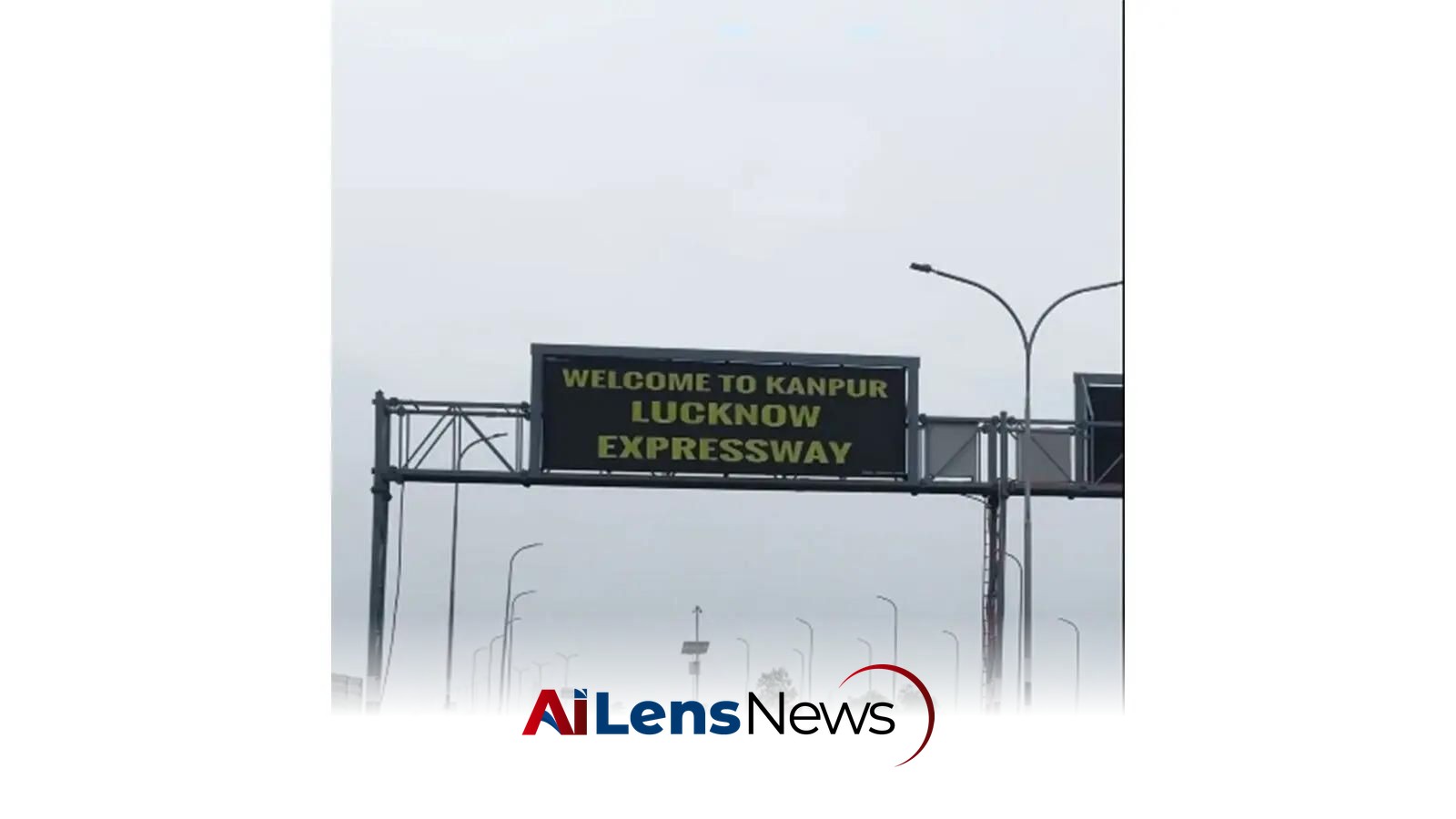


Union ministers and Uttar Pradesh Chief Minister inaugurated the Lucknow-Kanpur Expressway, significantly reducing travel time and boosting regional development.
New Delhi, India Jul 13, 2026 ALN: The inauguration of the Lucknow-Kanpur Expressway marks a significant milestone in the infrastructure development of Uttar Pradesh, one of India's most populous states. Union ministers Rajnath Singh and Nitin Gadkari, alongside Uttar Pradesh Chief Minister Yogi Adityanath, officially opened the 63-kilometer expressway on Monday. This project is not merely an addition to the state's road network; it is a transformative initiative aimed at drastically reducing travel time between the two major cities from approximately three hours to just 40 minutes.
The expressway, which has been constructed at an investment of Rs 4,200 crore, is designed as a six-lane access-controlled highway. This configuration is essential for managing the increasing traffic demands in the region, which has seen significant growth in both population and vehicle ownership over the years. The expressway features a range of critical infrastructural elements, including three interchanges, two flyovers, one road overbridge, four major bridges, 25 minor bridges, 12 vehicular underpasses, 14 light vehicular underpasses, 11 pedestrian underpasses, and two wayside amenities, as noted in an official statement. Each of these components plays a crucial role in ensuring smooth traffic flow and enhancing safety for both vehicles and pedestrians.
One of the standout features of the Lucknow-Kanpur Expressway is its Intelligent Traffic Management System (ITMS), which is designed to optimize traffic flow and enhance safety. The ITMS is equipped with 21 Variable Message Signs (VMS) that provide real-time updates to drivers, 63 PTZ (pan-tilt-zoom) cameras for surveillance, and 27 Video Incident Detection Systems (VIDS) that monitor traffic conditions and detect incidents. Additionally, there are 62 emergency call boxes, six speed measurement radars, and nine static weighbridges. This sophisticated system is expected to significantly reduce accidents and improve the overall travel experience for commuters.
The expressway is anticipated to have a profound impact on the regional . By enhancing connectivity between Lucknow and Kanpur, it will alleviate congestion on existing highways, which have become increasingly burdened due to rising traffic volumes. This reduction in congestion is expected to lead to lower fuel consumption and carbon emissions, aligning with broader environmental goals. Moreover, the expressway will facilitate faster transportation of agricultural produce and industrial goods, which is critical for the development of the region.
In addition to improving transportation efficiency, the expressway is poised to promote the development of warehousing, logistics, industries, tourism, and residential projects along its corridor. The enhanced connectivity is likely to attract investments in these sectors, creating numerous employment opportunities. This is particularly important in a state like Uttar Pradesh, where job creation is essential for managing the growing workforce and fostering stability.
The inauguration ceremony was attended by several prominent political figures, including Defence Minister Rajnath Singh, who is also the Lok Sabha MP from Lucknow, and Union Road Transport and Highways Minister Nitin Gadkari. They were joined by Deputy Chief Minister Brajesh Pathak, Unnao MP Sakshi Maharaj, Kanpur MP Ramesh Awasthi, and other dignitaries. Their presence underscores the political significance of the project and the commitment of the government to improving infrastructure in Uttar Pradesh.
The Lucknow-Kanpur Expressway is part of a larger trend in India towards enhancing transportation infrastructure. As the country continues to urbanize and industrialize, the need for efficient road networks becomes increasingly critical. The government has been investing heavily in road construction and upgrades, recognizing that improved connectivity is essential for growth and development.
Furthermore, the expressway aligns with the government's broader initiatives aimed at improving the ease of doing business in India. By reducing travel and improving logistics, the expressway is expected to make the region more attractive to businesses, thereby stimulating activity and growth. This is particularly relevant in the context of Uttar Pradesh, which has been working to position itself as a key player in India's landscape.
However, the construction of such large-scale infrastructure projects is not without its challenges. Concerns regarding land acquisition, environmental impact, and the displacement of local communities can arise during the planning and execution phases. It is crucial for the government to address these issues transparently and effectively to ensure that the benefits of the expressway are equitably distributed. Balancing development with environmental sustainability will be key to the long-term success of the expressway.
In conclusion, the Lucknow-Kanpur Expressway represents a significant advancement in Uttar Pradesh's transportation infrastructure. With its modern features and potential for growth, it is expected to play a vital role in enhancing connectivity, reducing travel time, and fostering regional development. As the expressway opens to traffic, its impact on the local , environment, and community will be closely monitored, providing valuable insights into the effectiveness of such infrastructure projects in India.
The implications of this expressway extend beyond mere travel convenience. It is anticipated to catalyze a ripple effect across various sectors, including real estate, retail, and services, as improved access leads to increased activity. The potential for tourism growth is also noteworthy, as the expressway could facilitate easier access to historical and cultural sites in both Lucknow and Kanpur, which are known for their rich heritage.
Moreover, the expressway's construction reflects a broader national strategy aimed at enhancing regional connectivity through a network of expressways and highways. This strategy is not only about improving transportation but also about integrating rural areas with urban centers, thereby promoting inclusive growth. As India continues to develop its infrastructure, projects like the Lucknow-Kanpur Expressway will be crucial in shaping the landscape of the country.
As the expressway begins to serve the public, it will be essential for local authorities to monitor traffic patterns and safety statistics closely. Feedback from commuters will also be invaluable in identifying areas for further improvement and ensuring that the expressway meets the needs of its users effectively. The success of this project could set a precedent for future infrastructure initiatives in Uttar Pradesh and beyond, emphasizing the importance of modernizing transportation networks to keep pace with the demands of a growing .
In summary, the Lucknow-Kanpur Expressway stands as a testament to the commitment of the Indian government to improve infrastructure and promote development. As it opens to traffic, all eyes will be on its performance and impact, which could provide critical lessons for similar projects in the future.
To learn more about the latest developments in Trade & Commerce, stay updated with our exclusive reports and analyses on AiLensNews.

