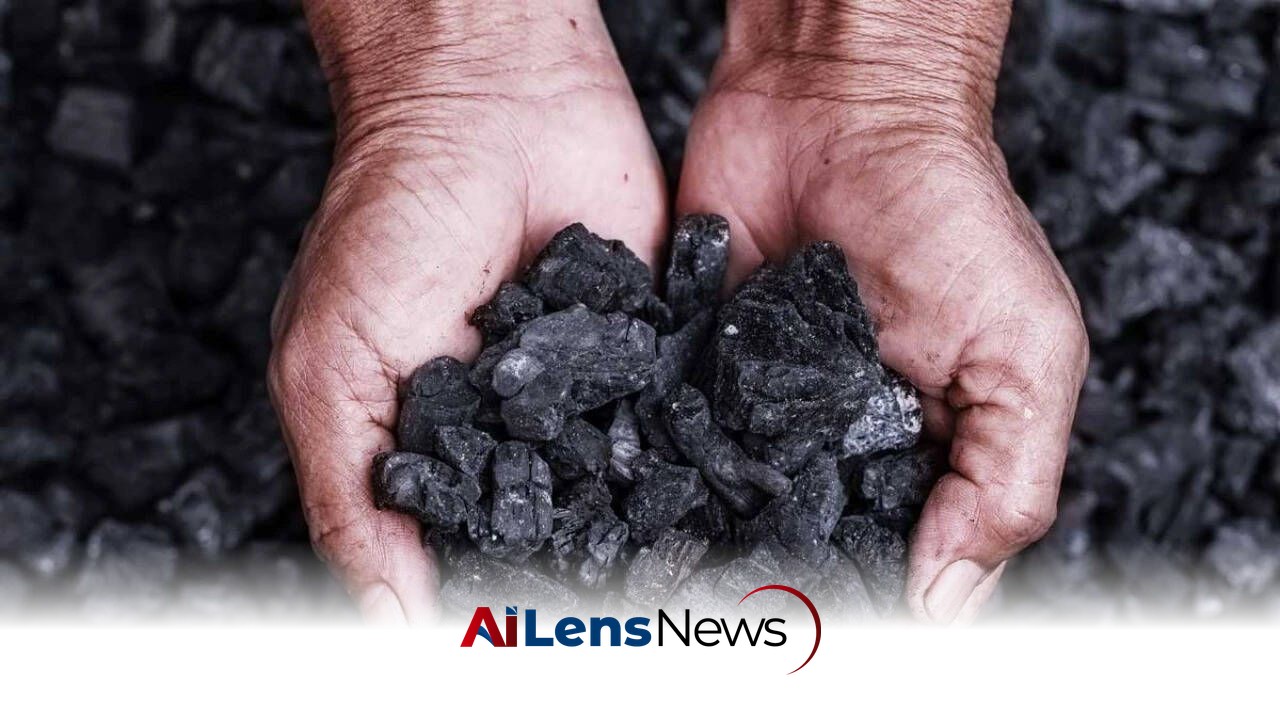


The Indian government is inviting proposals for coal gasification projects under a Rs 37,500 crore incentive scheme aimed at enhancing energy security and reducing import dependence.
New Delhi, India Jul 8, 2026 ALN: New Delhi: The government has sought proposals for setting up coal and lignite gasification projects across the country under its Rs 37,500 crore incentive scheme, an official statement said on Wednesday.
The incentive, launched in May this year, aims to promote surface coal/lignite gasification for the production of syngas and downstream value-added products such as synthetic natural gas (SNG), urea, ammonium nitrate, methanol, dimethyl ether (DME), and other chemicals. This initiative is designed to enhance the country's energy security, reduce import dependence, and facilitate the utilization of domestic coal and lignite resources.
The Ministry of Coal is inviting applications under the Scheme for Promotion of Surface Coal/Lignite Gasification Projects, which was approved by the Government on May 13, 2026, with a total financial outlay of Rs 37,500 crore. This substantial investment indicates the government's commitment to transitioning towards cleaner energy sources while leveraging the existing coal reserves in India.
According to the coal ministry, the request for proposal (RFP) was issued on July 7, with a pre-application conference scheduled for July 20. The last date for receipt of queries has been set for July 25, while the ministry will respond to queries by August 3. The application window will close on September 7, and the opening of bids is slated for September 8. The selected applicant is expected to be announced on October 21, followed by the issuance of the Letter of Award (LoA) on November 4.
Coal gasification refers to the process of converting dry fuel into synthetic gas (syngas), which is used as an alternative fuel and helps reduce carbon emissions. This process supports the production of methanol, fertilizers, hydrogen, and chemicals, thereby cutting reliance on imports. The significance of coal gasification lies in its potential to transform how India utilizes its vast coal reserves, moving away from traditional combustion methods that contribute heavily to greenhouse gas emissions.
Balasaheb Darade, Founder and Managing Director of New Era Cleantech Solutions, emphasized that coal gasification is not just an industrial opportunity but a strategic imperative for achieving energy security, import substitution, and true self-reliance under Atmanirbhar Bharat. The Atmanirbhar Bharat initiative, launched by the Indian government, aims to make the country self-reliant by promoting domestic manufacturing and reducing dependency on foreign goods.
New Era Cleantech is a Maharashtra-based company that is developing a 5 million metric tons per annum (MMTPA) coal gasification project in Chandrapur. Such projects are critical as they not only contribute to local economies but also play a vital role in the broader national energy strategy.
The Gasification Technologies & Research Council of India (GTRC-India) Chairman Amrit Lal Meena, who is also a former coal secretary, stated that the coal gasification scheme will unlock greater value from domestic coal, improve resource efficiency, strengthen energy security, and spur industrialization through downstream industries. The focus on downstream industries is particularly important as it can lead to job creation and technological advancements, fostering a more robust industrial ecosystem in India.
The industry views the coal gasification scheme as a landmark reform that will strengthen investor confidence, reduce import dependence, and position India as a global hub for coal-to-chemicals manufacturing. This is particularly relevant in the context of global energy transitions, where countries are seeking sustainable alternatives to fossil fuels. India's ability to innovate in the coal sector could serve as a model for other nations with similar energy profiles.
Historically, India has been heavily reliant on coal for its energy needs, with coal accounting for a significant portion of the country's power generation. However, this dependence has raised concerns regarding environmental sustainability and air quality. The introduction of coal gasification technology presents an opportunity to mitigate some of these concerns by providing a cleaner method of utilizing coal.
Moreover, the global market for syngas and its derivatives is expanding, driven by rising demand for cleaner fuels and chemicals. By investing in coal gasification, India could not only meet its domestic needs but also position itself as a competitive player in the international market for these products. This could lead to increased exports and further growth.
Furthermore, the incentive scheme aligns with global trends towards decarbonization and the circular , where waste products are minimized, and resources are reused. By optimizing the use of coal through gasification, the government aims to create a more sustainable energy landscape while still capitalizing on the country's existing resources.
In conclusion, the government's initiative to promote coal gasification through a substantial incentive scheme represents a significant step towards enhancing India's energy security and reducing import dependence. As the application process unfolds, it will be crucial for stakeholders, including industry players, policymakers, and environmental advocates, to engage in constructive dialogue about the potential implications of this technology on the energy sector and the environment. The success of this initiative could pave the way for further innovations in the energy sector, fostering a more sustainable and self-reliant India.
The initiative comes at a time when the global energy landscape is undergoing rapid changes, with nations striving to balance growth with environmental sustainability. The focus on coal gasification can be seen as a strategic move to harness domestic resources while simultaneously addressing the challenges posed by climate change. By promoting technologies that convert coal into cleaner energy sources, the Indian government aims to position the country as a leader in sustainable energy practices.
In addition, the coal gasification projects are expected to create numerous job opportunities across various sectors, from construction to operation and maintenance. This job creation is vital for India's , particularly in regions that are heavily dependent on coal mining and related industries. As these projects come to fruition, they could help stimulate local economies and contribute to the overall development of the regions involved.
Environmental advocates have raised concerns about the potential impacts of coal mining and gasification on local ecosystems and communities. It is essential for the government to establish stringent regulations and monitoring systems to ensure that these projects are developed responsibly and sustainably. The successful implementation of coal gasification technology must also include community engagement and support to address any apprehensions related to environmental and social impacts.
As India seeks to diversify its energy portfolio, coal gasification presents an opportunity to bridge the gap between traditional energy sources and cleaner alternatives. The government’s proactive approach in incentivizing this technology reflects a broader commitment to achieving energy independence while considering the environmental implications of coal utilization. This balanced approach could serve as a model for other countries grappling with similar challenges in their energy sectors.
In summary, the coal gasification incentive scheme represents a forward-thinking strategy that aligns with both national interests and global sustainability goals. As the initiative progresses, it will be vital to monitor its impact on energy security, growth, and environmental sustainability to ensure that the benefits of coal gasification are realized without compromising the health of the planet and its inhabitants.
To learn more about the latest developments in Trade & Commerce, stay updated with our exclusive reports and analyses on AiLensNews.

