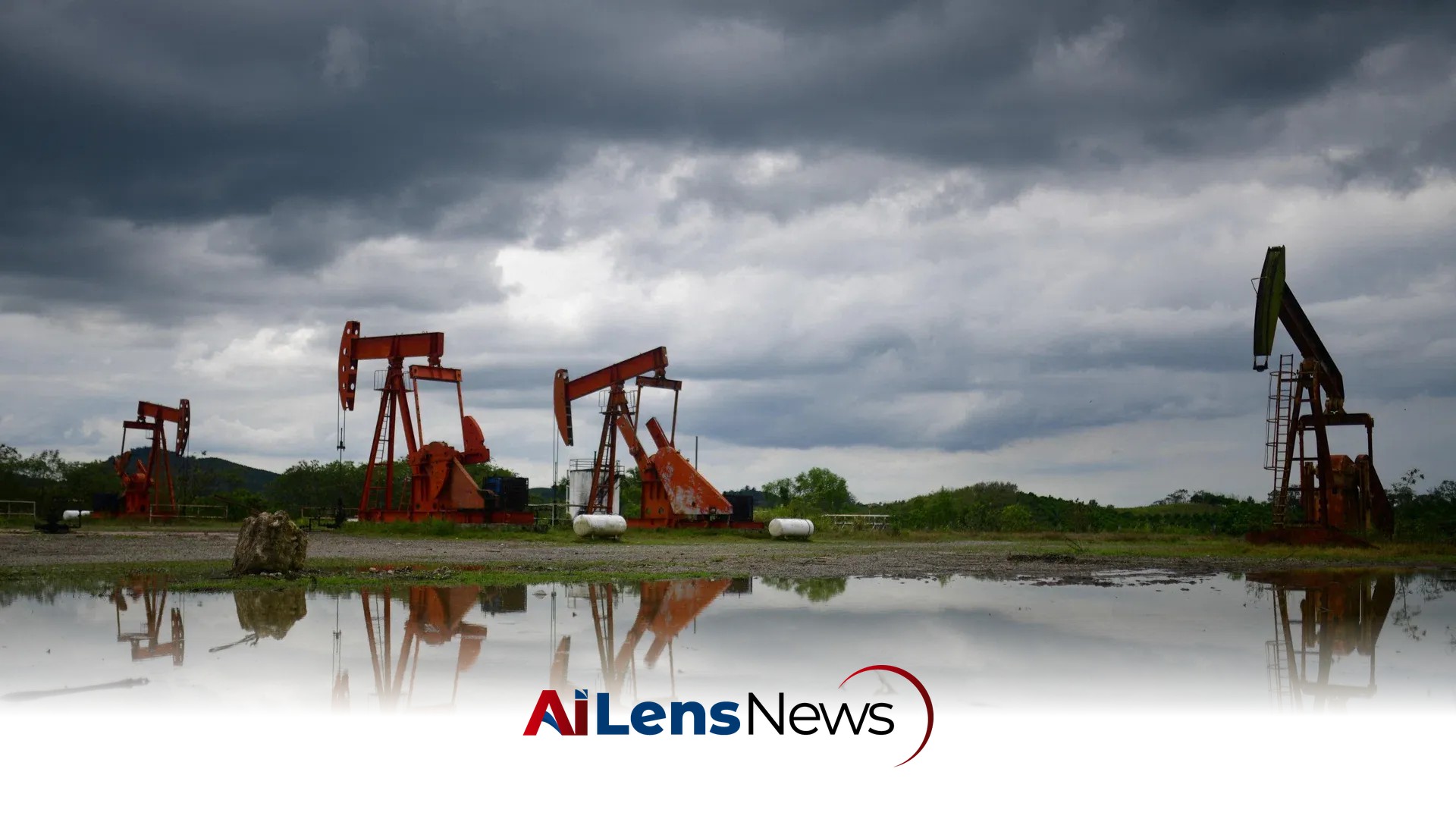


West Texas Intermediate falls 0.9% to settle near US$71 a barrel, but still notches a weekly gain of roughly 4%.
Singapore, Singapore Jul 11, 2026 ALN: OIL prices slipped as the US and Iran appear set to continue talks following a flare-up in attacks that strained their ceasefire and deterred tanker traffic through the Strait of Hormuz. This development comes amid a backdrop of ongoing geopolitical tensions that have historically influenced global oil markets, particularly in the volatile Middle East region.
West Texas Intermediate (WTI) fell 0.9 percent to settle near US$71 a barrel, but still notched a weekly gain of roughly 4 percent. Brent futures also fell to close near US$76 a barrel. These fluctuations in oil prices are indicative of the sensitive nature of the market, which often reacts sharply to geopolitical events and changes in supply and demand dynamics.
The two sides are continuing technical discussions, according to a US official, after US forces’ two-day campaign against targets in the Islamic Republic had cast doubt on the prospect of a peaceful resolution. This military action, which the US justified as a necessary response to Iranian aggression, has heightened tensions in the region and raised concerns about the security of oil shipments through critical waterways. A Qatari delegation arrived in Iran, according to its semi-official Tasnim news agency, suggesting that diplomatic efforts are still being pursued despite the military escalations.
The commodity briefly pared losses before reversing, in a knee-jerk reaction after US President Donald Trump said in a social media post that “in no uncertain terms... the Cease Fire is OVER!” This statement from the President underscores the fragility of the situation and the potential for further escalation. However, he also confirmed that talks between the warring sides are set to continue, indicating a dual approach of military readiness coupled with diplomatic engagement.
The International Energy Agency (IEA) warned in a report on Friday, July 10, that renewed hostilities between the two adversaries risk derailing efforts to rebuild depleted global oil inventories later this year. The IEA's concerns reflect a broader anxiety within the energy sector about the potential for sustained conflict to disrupt supply chains and impact global oil prices, which have already been affected by the COVID-19 pandemic and its aftermath.
Despite the tensions, there were signs of resilience in the region’s energy flows. The United Arab Emirates (UAE) boosted crude oil production to an all-time high last month, the most compelling evidence yet of how Abu Dhabi has responded more boldly than any of its Persian Gulf neighbors to the war. This increase in production from the UAE may serve to offset some of the disruptions caused by the conflict, yet it also raises questions about the long-term sustainability of such production levels in an increasingly unstable environment.
“Overall, the price action is consistent with the narrative that the market doesn’t think the hostilities are going to last,” said Scott Shelton, an energy specialist at TP ICAP Group. This sentiment reflects a cautious optimism among traders and analysts who are closely monitoring the developments in the region. “On the flip side, oil flows out of the Strait of Hormuz are down significantly from last week while there are signs that China may be increasing runs,” he added. The Strait of Hormuz is a critical chokepoint for global oil shipments, with a significant percentage of the world's oil passing through it. Any disruption in this area can have immediate and far-reaching consequences for global oil prices and supply stability.
“But the picture after the war ends looks increasingly bleak when examining balances,” he added, hinting at the potential long-term implications of the conflict on oil supply and demand. Observed transits through Hormuz have been reduced substantially by the hostilities. Traders will be monitoring output and sales from Persian Gulf producers including Saudi Arabia, which is due to issue monthly allocations to customers shortly. This monitoring is crucial as any changes in production levels or allocations can significantly impact global oil prices.
Visible traffic in Hormuz remained thin after appearing to grind to a near halt on Thursday, according to ship-tracking data. At least two oil supertankers, both controlled by the same company, appeared to cross the waterway Friday on a US-protected route. This limited movement of tankers highlights the heightened risks associated with navigating through the Strait of Hormuz during periods of increased military activity.
Crude’s volatile week is reflected in shifts in WTI’s prompt spread, which tracks the difference between its two nearest contracts. The spread has flipped from contango, which signals oversupply, to backwardation, which denotes the opposite. This shift in the prompt spread indicates changing market sentiments and expectations regarding future oil supply and demand dynamics. Backwardation typically suggests that traders expect short-term supply to be tighter than long-term supply, reflecting concerns about immediate disruptions or shortages.
The implications of these developments extend beyond just the immediate impact on oil prices. They highlight the interconnectedness of global energy markets and the influence of geopolitical tensions on economic stability. Countries reliant on oil imports may face increased costs, while oil-exporting nations may experience fluctuations in revenue, affecting their economic planning and stability.
As the situation continues to evolve, market participants will be closely watching both the military and diplomatic developments between the US and Iran, as well as the responses from other key players in the region. The ongoing conflict serves as a reminder of the vulnerabilities inherent in global oil supply chains and the critical importance of maintaining open and secure trade routes for energy commodities.
Historically, the Strait of Hormuz has been a focal point for geopolitical tensions due to its strategic importance. Approximately 20% of the world's oil supply passes through this narrow waterway, making it a vital artery for energy transportation. Any military conflict or hostile actions in this region can lead to significant disruptions in oil supply, resulting in price spikes that can ripple through the global economy.
In addition to the immediate impacts on oil prices, the ongoing tensions between the US and Iran could also have longer-term implications for energy policy and security in the region. The US has historically maintained a military presence in the Gulf to ensure the safety of shipping lanes and to deter Iranian aggression. However, the effectiveness of these measures is continually tested by new developments in the region.
Moreover, the relationship between the US and Iran is complex and fraught with historical grievances, including issues related to nuclear proliferation, regional influence, and human rights. This multifaceted relationship complicates the potential for a peaceful resolution and raises the stakes for all parties involved.
As the international community watches these developments, the role of other regional players, such as Saudi Arabia and the UAE, becomes increasingly significant. These nations have their own interests in maintaining stability in the region, as they are also major oil producers and exporters. Their responses to the US-Iran tensions could influence the overall dynamics of the oil market and the broader geopolitical landscape.
Furthermore, the global energy transition towards renewable sources adds another layer of complexity to the situation. As countries strive to reduce their dependence on fossil fuels, the demand for oil may evolve, influencing how nations approach their energy strategies amid geopolitical tensions. The balance between energy security and environmental sustainability will be a critical consideration for policymakers in the coming years.
In conclusion, the current situation involving US-Iran relations and its impact on oil prices underscores the intricate relationship between geopolitics and energy markets. As tensions persist and negotiations unfold, the global oil market remains on high alert, with potential ramifications that extend far beyond the immediate effects on pricing and supply. Stakeholders across the energy sector, from producers to consumers, will need to navigate this complex landscape as they adapt to the evolving geopolitical realities.
To learn more about the latest developments in Trade & Commerce, stay updated with our exclusive reports and analyses on AiLensNews.

