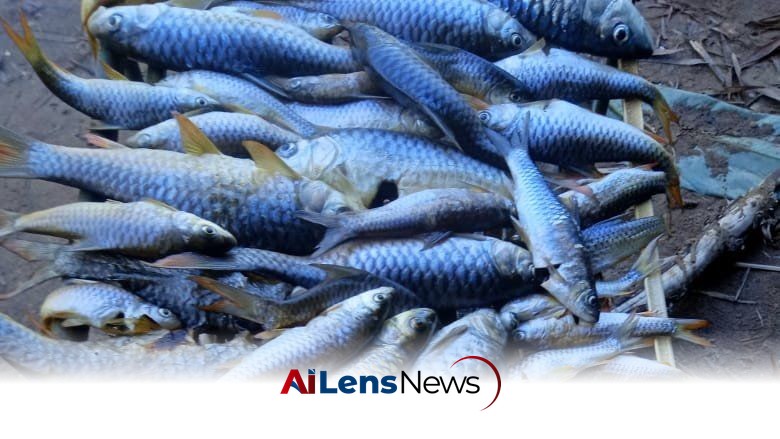


At the National Fish Farmers Day 2026 celebration, Deputy Commissioner Anita Kharpor emphasized the importance of aquaculture for rural livelihoods and urged fish farmers to utilize government schemes for expansion.
Shillong, India Jul 11, 2026 ALN: Eastern West Khasi Hills Deputy Commissioner Anita Kharpor on Saturday said that aquaculture serves as a key driver of rural livelihoods and economic growth and urged fish farmers to leverage government schemes to expand their operations and attract more individuals to the sector.
Speaking at the National Fish Farmers Day 2026 celebration held at Dong Gate Dorbar Hall in Pyndengumiong, Mairang, Kharpor highlighted the potential of fish farming to enhance farmers’ incomes and create new livelihood opportunities. She pointed out that developing fish ponds into aqua parks could combine aquaculture with ecotourism, creating additional revenue streams while promoting environmental conservation.
The deputy commissioner also stressed the importance of scientific fish farming for conserving endangered species and cultivating high-value varieties. She encouraged farmers to adopt modern practices and utilize government support programmes effectively to scale their production.
The event brought together district officials, agricultural experts, and progressive fish farmers who were recognized for their contributions to sustainable aquaculture.
As part of the celebration, several progressive fish farmers were honoured for their significant impact on sustainable livelihoods and job creation within their communities.
Aquaculture, or fish farming, has increasingly become a significant part of the agricultural landscape in many regions, particularly in rural areas where traditional farming may not yield sufficient income. The sector not only provides food security but also has the potential to enhance the economic stability of communities through job creation and increased income levels. In recent years, fish farming has been recognized as a viable alternative to traditional agriculture, especially in regions where water resources are abundant.
The call for fish farmers to leverage government schemes is particularly relevant in the context of various initiatives launched by the government aimed at promoting aquaculture. These schemes often include financial assistance, training programs, and access to modern technology, all designed to support farmers in enhancing their productivity and sustainability. By tapping into these resources, fish farmers can improve their operations, increase their output, and ultimately contribute more significantly to their local economies.
Moreover, the integration of aquaculture with ecotourism is an innovative approach that not only diversifies income sources for farmers but also promotes environmental sustainability. By transforming fish ponds into aqua parks, farmers can attract tourists, offering them experiences that highlight local biodiversity and the importance of sustainable practices. This dual approach not only benefits the farmers economically but also raises awareness about conservation efforts and the ecological significance of aquatic ecosystems.
The emphasis on scientific fish farming is essential in the modern context of aquaculture. As global demand for fish continues to rise, it becomes increasingly important to adopt practices that not only maximize yield but also ensure the health of aquatic ecosystems. Scientific approaches to fish farming can include the use of advanced breeding techniques, improved feed formulations, and effective disease management strategies. These practices can lead to healthier fish stocks and sustainable production methods that do not deplete natural resources.
The recognition of progressive fish farmers during the National Fish Farmers Day celebration serves to highlight the critical role that these individuals play in advancing sustainable aquaculture practices. By acknowledging their contributions, the government aims to inspire others in the community to consider fish farming as a viable livelihood option. This recognition also serves to create a sense of community among fish farmers, fostering collaboration and knowledge sharing that can lead to improved practices and outcomes across the sector.
As fish farming continues to evolve, the role of government support becomes increasingly vital. Policies that provide financial incentives, technical support, and access to markets can help create a more favorable environment for aquaculture. Additionally, education and training programs that focus on best practices in fish farming can empower farmers, equipping them with the skills necessary to thrive in a competitive market.
In conclusion, the call to action from Deputy Commissioner Kharpor underscores the importance of aquaculture as a driver of economic growth and rural development. By leveraging government schemes, embracing scientific practices, and exploring innovative approaches such as ecotourism, fish farmers can significantly enhance their livelihoods while contributing to the sustainability of their communities. As the sector continues to grow, it is crucial for stakeholders at all levels, including government agencies, agricultural experts, and the farmers themselves, to work collaboratively to ensure the long-term viability and success of aquaculture in the region.
The global landscape of aquaculture has been changing rapidly over the past few decades, with increasing recognition of its potential to address food security challenges. As populations grow and urbanization continues to rise, the demand for protein sources such as fish has surged. Aquaculture has emerged as a critical solution to meet this demand, providing a more controlled and efficient means of producing fish compared to traditional fishing methods, which can deplete wild fish stocks.
In many developing countries, including India, aquaculture presents an opportunity for rural communities to improve their economic conditions. By engaging in fish farming, individuals can not only secure their food sources but also generate income that can be reinvested into their families and communities. The multiplier effect of this income can lead to broader economic development, as increased spending in local economies stimulates growth in related sectors such as feed production, equipment supply, and transportation.
Furthermore, the environmental implications of aquaculture practices cannot be overlooked. Sustainable fish farming practices are essential to ensure that the sector does not contribute to environmental degradation. Overfishing, habitat destruction, and pollution are significant concerns that need to be addressed through responsible aquaculture practices. The promotion of scientific fish farming, as highlighted by Kharpor, is a step towards mitigating these risks, ensuring that fish farming can coexist with healthy ecosystems.
In the context of , where the natural landscape is rich in biodiversity, the integration of aquaculture with ecotourism could provide a unique opportunity to showcase the region's natural beauty while promoting sustainable practices. By attracting tourists to experience the local culture and environment, fish farmers can create a symbiotic relationship that benefits both their livelihoods and the preservation of the ecosystem.
Additionally, the role of education in aquaculture cannot be overstated. Training programs that educate farmers about best practices in fish farming, including water quality management, feeding strategies, and disease control, can significantly enhance productivity and sustainability. These educational initiatives can also foster innovation, encouraging farmers to experiment with new techniques and approaches that can lead to better outcomes.
As the government continues to roll out support schemes for aquaculture, it is essential that these programs are accessible and tailored to meet the specific needs of local farmers. Engaging with the farming community to understand their challenges and aspirations can lead to more effective policies and programs that truly empower farmers. Involving local stakeholders in the decision-making process can also enhance the sense of ownership and commitment to sustainable practices.
The celebration of National Fish Farmers Day serves not only as a recognition of the hard work and dedication of fish farmers but also as a reminder of the collective responsibility to promote sustainable aquaculture practices. As communities come together to celebrate their achievements, it is an opportunity to reflect on the future of fish farming and the critical role it plays in ensuring food security, economic stability, and environmental sustainability.
In summary, the remarks made by Deputy Commissioner Kharpor at the National Fish Farmers Day celebration highlight the multifaceted benefits of aquaculture. By leveraging government schemes, adopting scientific practices, and exploring innovative approaches like ecotourism, fish farmers can not only improve their livelihoods but also contribute to the broader goals of sustainable development. The future of aquaculture looks promising, and with the right support and commitment, it can continue to thrive as a vital component of rural economies and ecosystems.
To learn more about the latest developments in Development Economics, stay updated with our exclusive reports and analyses on AiLensNews.

