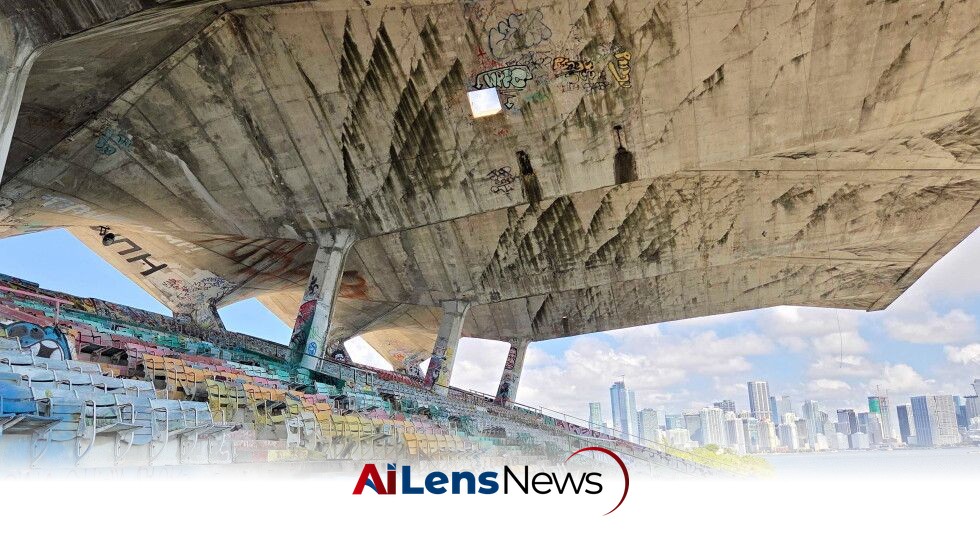


The fate of a once-vibrant Miami stadium, now abandoned and covered in graffiti, hangs in the balance as local officials consider its future.
Washington DC, United States Aug 17, 2026 ALN: Miami is at a crossroads regarding the future of a historic stadium that has been largely abandoned for over three decades. Once a bustling venue for speedboat races and concerts featuring icons like Jimmy Buffett, the stadium now stands as a relic of the past, covered in graffiti and neglect. The discussions surrounding its future have ignited a passionate debate among residents, local historians, and city officials, reflecting larger themes of community identity, historical preservation, and urban development.
Constructed in the 1960s, the stadium was a hub of activity, hosting various events that attracted thousands of visitors. Its unique architectural design made it a landmark in Miami, but as time passed, the venue fell into disrepair. The stadium was not just a place for entertainment; it was a cultural gathering point that reflected the vibrancy of Miami during its heyday. Community members and local historians are now advocating for its preservation, emphasizing its cultural and historical importance. They argue that the stadium represents a significant era in Miami's history, one that contributed to the city’s identity as a lively and diverse cultural hub.
The stadium's current state is a stark contrast to its former glory. Vandalism and weather have taken their toll, leaving behind a structure that many see as an eyesore. The peeling paint, broken windows, and overgrown vegetation tell a story of neglect, yet the site still holds potential for revitalization. Proponents suggest that with the right investment and vision, it could be transformed into a community space or cultural center that honors its past while serving the needs of the present. This potential for transformation raises questions about how communities can breathe new life into old structures without erasing their historical significance.
Local residents have expressed mixed feelings about the stadium's future. Some are eager to see it restored, viewing it as an opportunity to reconnect with the city’s history and provide a venue for community activities. Others believe it should be demolished to make way for new developments that could better serve the current population's needs. Community meetings have been held to gather input, and the discussions have sparked a broader conversation about preserving Miami's architectural history while accommodating growth. This dialogue is crucial, as it not only reflects the community's values but also sets a precedent for how similar situations may be handled in the future.
City officials are currently weighing the options, considering the input from residents and the potential implications of each choice. A referendum may be proposed to allow residents to vote on the stadium's fate, ensuring that the decision reflects the community's desires. This democratic approach aims to empower citizens and give them a direct role in shaping their environment. The decision will likely reflect the values and priorities of Miami's residents, highlighting the importance of civic engagement in urban planning.
As the debate continues, the future of the stadium remains uncertain. Advocates for preservation are hopeful that their efforts will lead to a positive outcome, possibly resulting in a project that honors the past while integrating modern amenities. On the other hand, those in favor of redevelopment argue for progress and modernization, emphasizing the need for new infrastructure that meets contemporary demands. Regardless of the outcome, the discussions surrounding the stadium highlight the importance of community engagement in shaping the future of Miami. The decision made regarding the stadium will not only affect its physical presence but will also influence the community's sense of identity and belonging.
In conclusion, the fate of Miami's historic stadium is not just about a building; it's about the community's identity and its willingness to preserve the past while looking toward the future. As cities across the globe grapple with similar issues of historical preservation versus modernization, Miami's debate serves as a microcosm of the larger conversation about how we value and utilize our shared spaces. The outcome of this discussion may set important precedents for how cities balance the preservation of their heritage with the need for growth and development in an ever-changing urban landscape.
To learn more about the latest developments in Heritage & History, stay updated with our exclusive reports and analyses on AiLensNews.

