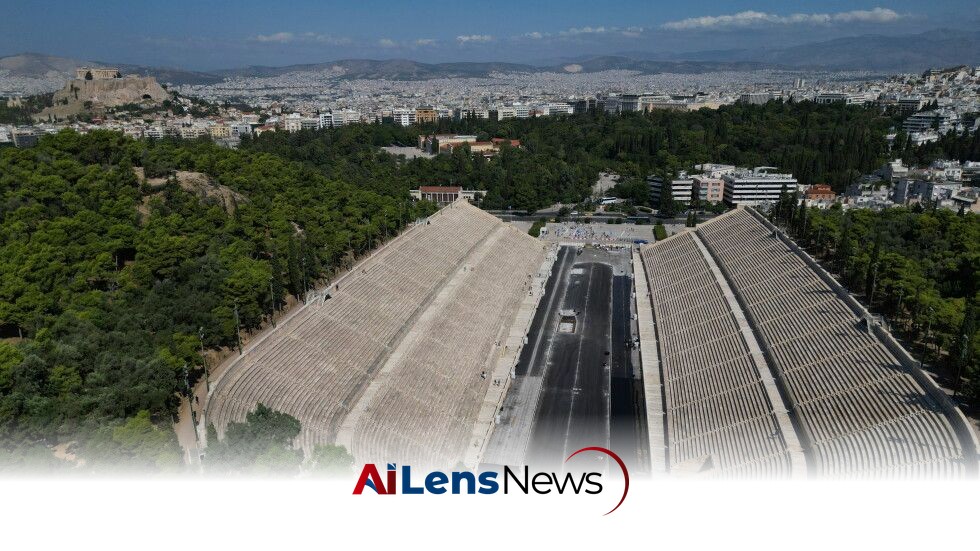


The iconic Panathenaic Stadium in Athens is receiving its first systematic cleaning in more than a hundred years, restoring its historic marble structure.
Washington DC, United States Aug 17, 2026 ALN: The Panathenaic Stadium, a symbol of Athens and a historic venue for the Olympic Games, is undergoing its first comprehensive cleaning in over a century. This monumental effort aims to restore the stadium's pristine marble structure, which has weathered the elements since its last significant maintenance. The initiative reflects a growing awareness of the need to preserve historical sites, particularly as cities around the world grapple with the effects of pollution and climate change.
Built in 330 BC and reconstructed for the 1896 Olympics, the Panathenaic Stadium is the only stadium in the world made entirely of marble. Its original construction was part of a larger festival dedicated to Athena, the patron goddess of the city, and it has hosted numerous events, including the first modern Olympic Games. The stadium's rich history makes this cleaning project particularly significant, as it not only preserves the structure but also honors its legacy. The stadium has witnessed the evolution of athletic competition and has served as a venue for various cultural events throughout its existence, thus cementing its place in both sports and historical narratives.
The cleaning process involves advanced techniques designed to remove decades of grime and pollution without damaging the marble. Experts are using eco-friendly materials and methods to ensure that the integrity of the stone is maintained. The project is expected to take several months, with careful attention to detail at every stage. This meticulous approach is crucial, as the marble is susceptible to erosion and discoloration due to environmental factors such as air pollution and acid rain. The cleaning will likely involve both manual and mechanical methods, combining traditional restoration techniques with modern technology to achieve the best results.
This initiative has garnered support from the local community and cultural organizations, highlighting the importance of preserving historical sites. The cleaning of the stadium is seen as a step towards enhancing Athens' cultural heritage and promoting tourism. As the city prepares for future events, including the upcoming Olympic Games, the restored stadium will serve as a focal point for visitors. The project also reflects a broader trend in many cities worldwide, where local governments and communities are increasingly prioritizing the conservation of historical sites as a means of fostering civic pride and identity.
In addition to the cleaning, there are plans to enhance visitor experiences at the stadium. This includes improved facilities and educational programs that will inform visitors about the stadium's history and significance. The goal is to make the Panathenaic Stadium not just a venue for events but also a center for cultural education. By offering guided tours, interactive exhibits, and workshops, the stadium aims to deepen visitors' understanding of ancient Greek culture and the evolution of the Olympic Games. These enhancements will not only attract tourists but also engage local residents, fostering a sense of ownership and connection to their heritage.
The cleaning of the Panathenaic Stadium marks a significant moment in Athens' commitment to preserving its historical landmarks. As the project progresses, it promises to breathe new life into this iconic structure, ensuring that it remains a vital part of the city's cultural landscape for generations to come. Moreover, this initiative serves as a reminder of the importance of maintaining our shared history, as it not only enriches our understanding of the past but also inspires future generations to appreciate and protect the cultural treasures that define our societies.
The restoration of the Panathenaic Stadium is part of a larger movement towards heritage preservation that is gaining momentum globally. As urban environments become increasingly dominated by modern architecture and infrastructure, there is a growing recognition of the need to protect historical sites that tell the story of a city’s past. This cleaning project not only addresses the physical state of the stadium but also highlights the role of cultural heritage in fostering community identity and continuity.
Moreover, the cleaning initiative may serve as a model for similar projects in other historical sites worldwide. As cities face challenges posed by climate change, pollution, and urbanization, the techniques and approaches developed for the Panathenaic Stadium could inform best practices in heritage conservation. By prioritizing sustainability and community involvement, such projects can contribute to a more resilient cultural landscape.
The Panathenaic Stadium's cleaning initiative has the potential to engage a global audience, particularly as it aligns with international efforts to promote cultural heritage and sustainable tourism. By showcasing the restoration process through social media and virtual tours, the project can attract attention from both local and international communities. This engagement can foster a sense of global citizenship, as people from diverse backgrounds come together to appreciate and support the preservation of cultural landmarks.
In conclusion, the ongoing cleaning of the Panathenaic Stadium is not merely a restoration project; it is a significant cultural undertaking that underscores the importance of heritage preservation in our modern world. As Athens invests in its historical treasures, it sets a precedent for other cities to follow, demonstrating that the past can inform and enrich our present and future.
To learn more about the latest developments in Heritage & History, stay updated with our exclusive reports and analyses on AiLensNews.

