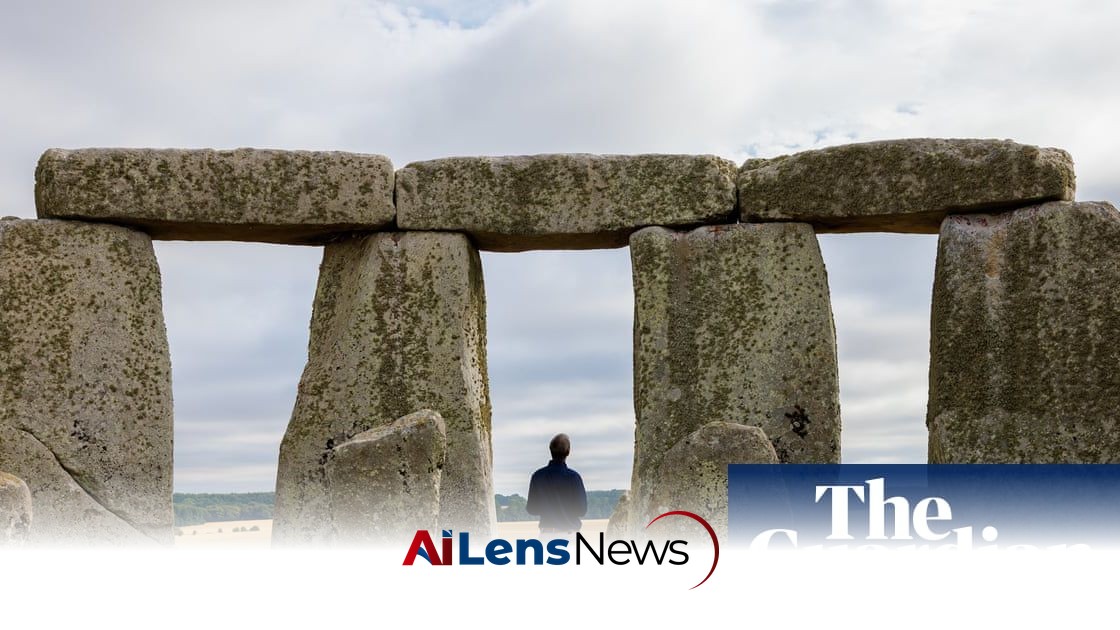


Throughout August, select visitors to Stonehenge will have the chance to experience 20 minutes of solitude among the ancient stones, a rare opportunity for reflection.
London, United Kingdom Jul 29, 2026 ALN: Trips to Stonehenge can be a little hectic. Tens of thousands of people turn up to celebrate summer and winter solstices, and most other days the site is a place of bustle, excited conversation, and selfie action. This iconic prehistoric monument, located in Wiltshire, England, draws visitors from around the world, eager to experience its historical significance and cultural impact. Stonehenge's grandeur and mystery have captivated humanity for millennia, making it one of the most recognizable landmarks in the world.
However, throughout August, Heritage is offering visitors the chance to win some guaranteed solitude within the hulking stones. This initiative aims to provide a unique experience, allowing individuals to connect with the monument in a more personal and intimate manner. By purchasing advance tickets, visitors will be automatically entered into a draw for 20 minutes of alone time at the heart of the monument. This initiative is particularly notable as it is said to be the first of its kind since admission charges were introduced 125 years ago, marking a significant shift in how access to this ancient site is managed.
To mark the initiative, the Guardian was granted 20 minutes in the circle on Tuesday morning to sample the solitude. This opportunity to experience Stonehenge without the usual crowds offers a rare glimpse into what it might have been like for those who constructed the monument thousands of years ago. The tranquility of the site, combined with the monumental presence of the stones, allows visitors to engage in deeper reflection about the history and purpose of this enigmatic structure.
Usually, the monument is cordoned off with the sort of rope barrier used for VIP areas in nightclubs, with visitors viewing the stones from a surrounding path. This setup ensures the preservation of the stones while still allowing the public to appreciate their grandeur. For the Guardian’s visit, the supervisor Nick Morabito unhooked the rope shortly after 9 am with a modest flourish, signaling the beginning of a unique experience.
While there are rules in place—visitors must not touch the stones, lean on them, or sit on them—this solitude allows for a more profound appreciation of the monument's heft and intricate details. Visitors can observe the swirly, blotchy patterns created by lichens, the deep fissures, and the thistles poking their way out from under some stones. Such observations can lead to a greater understanding of the natural processes that have shaped Stonehenge over the centuries.
Moreover, there are carvings into the surface of the stones, including graffiti said to have been created by the architect Christopher Wren, whose family had a home nearby. These markings serve as a reminder of the human connection to the site throughout history, illustrating how Stonehenge has inspired awe and curiosity across generations.
It is quiet, but not silent. The A303 passes a few meters away, but the traffic sound is a hum rather than a roar and does not drown out the song of the skylarks, the bleat of the sheep, and the warm, southerly breeze passing through what Thomas Hardy called a “temple of the winds.” This sensory experience enhances the feeling of solitude, allowing visitors to immerse themselves in the natural beauty that surrounds the monument.
Most of all, you have a few quiet minutes to wonder who built the monument, why, and, perhaps, what they would make of their successors 5,000 years on. This contemplative aspect is one of the most profound benefits of the initiative, as it encourages visitors to ponder the mysteries of human history and the motivations behind such monumental construction. The act of standing among the stones can evoke a sense of connection to the past, prompting thoughts about the cultural and spiritual significance that the site may have held for its original builders.
The spell was broken at 9:35 am when the first shuttle bus arrived from the visitor center. A German family speed-walked to the circle to be the first there, but they were not allowed beyond the crowd-control rope, highlighting the contrast between the exclusive solitude offered to the lucky winners of the draw and the typical visitor experience. Morabito expressed that while he loved helping make sure visitors enjoyed the stones, he cherished moments when he and fellow workers had a few minutes alone there: “At the end of a busy summer’s day it’s lovely to sit in the circle for a few minutes and remember what it’s all about.” This sentiment reflects a shared appreciation among those who work at Stonehenge for the unique atmosphere that the site provides, particularly in moments of solitude.
Security officer Ray Bulpitt also shared his experiences, relishing the tranquility of a night shift: “You hear the hares and sheep moving around.” This connection to the natural environment further enhances the experience of solitude, allowing for a deeper engagement with the landscape. Occasionally, an interloper tries to gain access. “We had a couple last night,” Bulpitt said. “We asked them to leave—no problems.” Such encounters underscore the importance of maintaining the integrity of the site and the measures in place to protect it from unauthorized access.
Georgia Butters, Heritage’s head of operations for Stonehenge, agreed that spending a little time in the stone circle was special: “It is a spiritual place for many people but even if you’re not spiritual in that way there’s just something wonderful about the landscape—it has a presence, a stillness.” This acknowledgment of the site's spiritual significance resonates with many visitors, who come seeking not only a historical experience but also a moment of reflection and connection to something greater than themselves.
There are a few other ways to get solitary access to the stones, and fame is one of them. Notable figures such as Barack Obama visited while he was US president during a trip to the UK for a NATO summit, and former astronaut Buzz Aldrin donned a Mars T-shirt when he popped by. These high-profile visits highlight the ongoing allure of Stonehenge as a cultural and historical landmark, attracting individuals from various walks of life who wish to engage with its legacy.
At solstice time, people are allowed into the circle for free. However, visitors will inevitably be sharing the space with many others, and the sounds of skylarks will be drowned out by the banging of drums, illustrating the contrast between communal celebrations and the more personal experience offered during the August initiative. The only way usually to get solitary time in the circle is to shell out the best part of £1,500 for an “explorer tour,” a price that may be prohibitive for many potential visitors. This new initiative, therefore, opens up opportunities for a broader range of people to experience the monument in solitude.
Butters emphasized that those who came out of the August draw were allowed to take along other members of their party who had booked at the same time. However, they could opt to go completely alone, highlighting the flexibility of the initiative to cater to different preferences. She stated, “Everyone’s different, aren’t they? Some may want to run in and out of the stones; some may want to have a cup of tea there.” This acknowledgment of diverse visitor experiences underscores the importance of personal connection to the site.
“They’re massive stones, and there’s something about standing right next to one and getting the scale of them. It makes you think, how did people get these things here 5,000 years ago?” Butters' reflections encapsulate the wonder and curiosity that Stonehenge evokes, encouraging visitors to contemplate the monumental achievements of ancient civilizations.
Some will want to take pictures for social media. “That’s fine,” said Butters. “But I’d like to think that they’ll be able to just spend some time and have a moment of peace.” This desire for peace and reflection is at the heart of the initiative, offering visitors a rare chance to connect with Stonehenge away from the distractions of modern life. As this unique opportunity unfolds throughout August, it invites individuals to explore not only the physical presence of the stones but also their own thoughts and feelings in a space steeped in history.
To learn more about the latest developments in Cultural Events, stay updated with our exclusive reports and analyses on AiLensNews.

