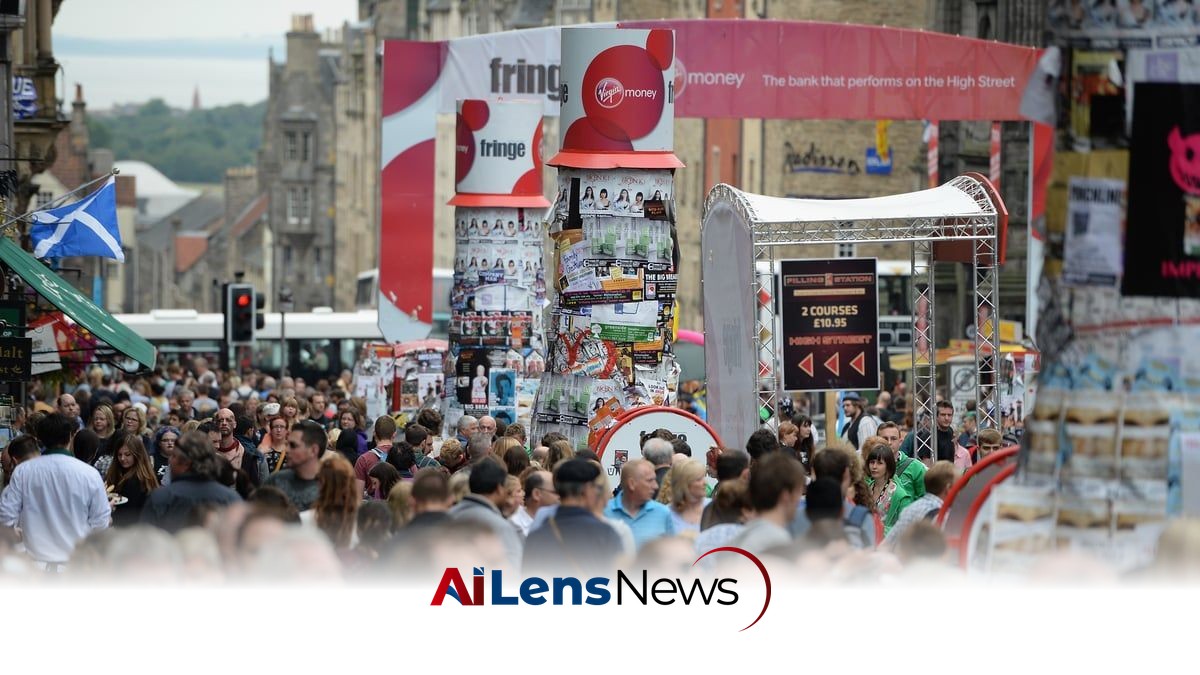



The Edinburgh festivals are set to incur over £1.1 million annually due to a new visitor levy, as the council's Culture Committee prepares for a crucial meeting.
London, United Kingdom Aug 13, 2026 ALN: The Edinburgh festivals, recognized globally as a cornerstone of the city’s cultural identity, are currently grappling with a substantial financial hurdle due to a proposed visitor levy that is projected to impose an annual cost of over £1.1 million on these events. This levy, which is under consideration by the council’s Culture Committee, aims to impose a charge on visitors who stay overnight in Edinburgh. The funds raised from this initiative are intended to be reinvested into city services, infrastructure, and cultural events. However, the introduction of this levy has sparked a wave of concern among festival organizers, who fear that it could adversely affect attendance and the overall experience of festival-goers.
The Edinburgh festivals encompass a variety of events, with the Edinburgh Festival Fringe and the Edinburgh International Festival being the most prominent. These festivals collectively attract millions of visitors from around the world each year, significantly contributing to the local economy, cultural landscape, and community spirit. The revenue generated from tourism during the festival season is crucial for local businesses, including hotels, restaurants, and shops, which rely heavily on the influx of visitors. A reduction in attendance due to the visitor levy could create a ripple effect, potentially harming these businesses and leading to job losses in an already fragile economic environment.
Historically, the Edinburgh Festival Fringe is recognized as the largest arts festival globally, showcasing a diverse array of performances, from theater to comedy. The Edinburgh International Festival, on the other hand, is celebrated for its high-quality performances that attract international acclaim. Both festivals have experienced fluctuating attendance figures in recent years, particularly exacerbated by the COVID-19 pandemic, which forced many events to be canceled or significantly scaled back. The journey towards recovery for these festivals has been arduous, and the introduction of a visitor levy could further complicate their efforts to regain their previous audiences.
In light of the impending Culture Committee meeting, festival representatives have articulated their opposition to the levy, advocating for a more equitable approach that takes into account the financial realities faced by both the city and the cultural events that define Edinburgh. They contend that the city’s reputation as a premier festival destination is at stake and that any measures likely to deter visitors must be scrutinized thoroughly. The festivals have a longstanding tradition of fostering creativity, community engagement, and cultural exchange, and stakeholders are apprehensive that the levy could undermine these fundamental values.
Moreover, the implications of the visitor levy extend beyond immediate financial concerns. The festivals serve as a vital platform for emerging artists and performers, offering them the opportunity to showcase their talents alongside established international acts. A potential decline in attendance could limit these opportunities, thereby diminishing the diversity and richness of the cultural offerings available to audiences. This concern is particularly poignant in a city like Edinburgh, which prides itself on its artistic heritage and commitment to inclusivity.
As the meeting approaches, stakeholders are preparing to voice their concerns and propose alternative funding strategies that could sustain the city’s cultural landscape without imposing additional costs on visitors. Suggestions under consideration include exploring sponsorship opportunities, enhancing partnerships with local businesses, and promoting year-round tourism initiatives that could help distribute the economic benefits of the festivals more evenly throughout the calendar year. Such strategies could potentially alleviate the financial burden on visitors while still generating necessary revenue for the city.
The discussions surrounding the visitor levy are part of a broader conversation about the sustainability of cultural events in urban settings. Many cities worldwide are grappling with similar challenges as they seek to balance the needs of residents, tourists, and cultural institutions. The outcome of the Culture Committee’s discussions could serve as a valuable case study for other cities facing the same dilemma, underscoring the importance of collaborative approaches to funding and supporting the arts.
In conclusion, the introduction of a visitor levy in Edinburgh presents a multifaceted challenge for the city’s renowned festivals. While the intention behind the levy is to generate necessary revenue for city services and cultural initiatives, the potential negative impact on attendance and the local economy cannot be overlooked. As festival organizers prepare to engage with city officials, the discussions ahead will be pivotal in determining the future of Edinburgh’s vibrant cultural scene. Ensuring that it remains a thriving hub for creativity and artistic expression will require careful consideration of the implications of the proposed levy and a commitment to preserving the unique cultural tapestry that defines Edinburgh.
Additionally, it is essential to recognize that the visitor levy is not an isolated issue but rather part of a larger trend observed in various global cities which are exploring similar measures as a means of funding essential services and cultural initiatives. Cities like Barcelona, Venice, and Amsterdam have implemented their own forms of tourist taxes or levies, which have sparked debates about the balance between generating revenue and maintaining the attractiveness of these destinations. The outcomes of these policies have varied, with some cities experiencing a decline in tourism as a direct result of increased costs for visitors.
In Edinburgh, the potential visitor levy could serve as a litmus test for how cultural festivals can adapt to changing economic realities while maintaining their core values and mission. The festivals are not merely events; they embody the spirit of creativity, collaboration, and community that Edinburgh is known for. As such, the discussions surrounding the levy will not only shape the immediate future of these festivals but also set a precedent for how cultural institutions can navigate the complexities of funding and sustainability in an evolving urban landscape.
Ultimately, the fate of the visitor levy and its implications for the Edinburgh festivals will hinge on the ability of stakeholders to engage in meaningful dialogue and collaboration. By prioritizing the needs of both the city and the cultural sector, Edinburgh has the opportunity to forge a path that supports its vibrant festivals while ensuring that they continue to thrive for generations to come. The stakes are high, and the decisions made in the coming weeks will resonate far beyond the festival season, influencing the broader narrative of cultural sustainability in urban environments.
To learn more about the latest developments in Cultural Events, stay updated with our exclusive reports and analyses on AILensNews.

