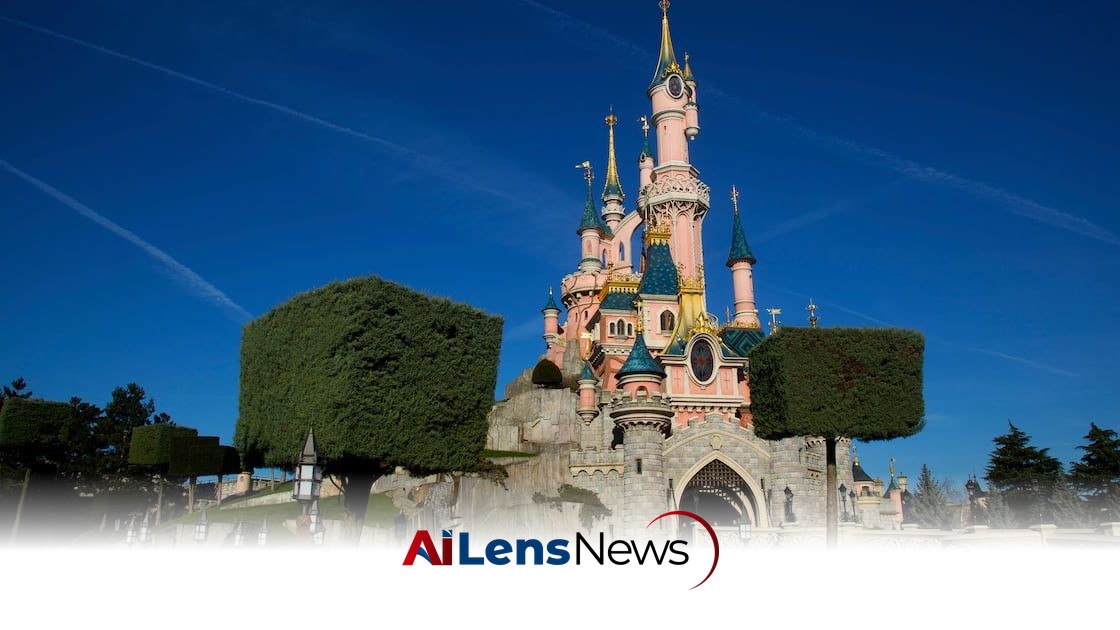


Following a two-year campaign by Dublin resident Stuart McHugh, Disneyland Paris has added Irish language signs to the 'It’s A Small World' ride, enhancing the experience for Irish visitors.
London, United Kingdom Jul 26, 2026 ALN: Disneyland Paris, one of the most popular tourist destinations in Europe, has recently taken a significant step towards inclusivity by introducing signage in the Irish language on its well-known ride, ‘It’s A Small World.’ This initiative has been met with enthusiasm from the Irish community and reflects a growing recognition of the importance of minority languages in global cultural landscapes. The move to incorporate Irish language signs underscores the importance of representation in spaces frequented by diverse populations, and challenges the notion that such cultural elements are limited to their regions of origin.
The decision to incorporate Irish language signs comes after a dedicated campaign led by Stuart McHugh, a Dublin resident and passionate advocate for the Irish language. McHugh manages a social media page called ‘Disneyland Paris Tips for Irish,’ where he shares insights and tips for Irish tourists visiting the theme park. His efforts over the past two years have centered around the desire to see the Irish language represented in the park, particularly on the beloved ride that celebrates global unity through music and visuals. This campaign illustrates the power of social media in mobilizing communities around cultural issues, allowing individuals to advocate for change on a larger platform.
McHugh's campaign gained traction as he persistently engaged with Disneyland Paris management, highlighting the significance of the Irish language not only to its speakers but also to the broader cultural heritage of Ireland. His commitment to this cause reflects a personal connection to the language, as he himself attended an Irish-speaking primary school and aims to instill a love for the language in his children. This personal narrative adds depth to his advocacy, showing how individual experiences can fuel broader movements for cultural preservation and representation.
‘It’s A Small World’ is a ride that features a variety of languages at its entrance and exit, welcoming visitors from around the world. The addition of the Irish phrases ‘Fáilte’ (Welcome) at the entrance and ‘Slán Go Fóill’ (Goodbye for now) at the exit marks a meaningful recognition of Ireland's linguistic heritage within a global context. This change not only enriches the experience for Irish visitors but also serves as a reminder of the cultural diversity that Disneyland Paris aims to celebrate. The ride, which famously showcases the theme of global unity, becomes a more inclusive space as it acknowledges the unique identity of Irish speakers among the myriad of cultures represented at the park.
The introduction of Irish language signage is part of a broader trend within Disneyland Paris and other theme parks worldwide to embrace multilingualism and cater to diverse audiences. As global travel becomes increasingly accessible, attractions are recognizing the need to connect with visitors in their native languages, fostering a more welcoming atmosphere. This move aligns with Disneyland Paris's mission to create magical experiences for all guests, reflecting the cultural tapestry of its visitors. Such initiatives can also enhance the emotional connection that visitors feel towards the park, as they see their own cultures and languages represented.
McHugh's successful advocacy for Irish language representation at Disneyland Paris can be seen as part of a larger movement to promote and preserve minority languages. The Irish language, while facing challenges in terms of everyday usage, holds a special place in the hearts of many Irish people, acting as a symbol of national identity and cultural pride. The inclusion of the language in a prominent international venue like Disneyland Paris not only validates the efforts of language advocates but also inspires a new generation to engage with their linguistic heritage. As younger generations become more aware of their cultural roots, the desire for visibility and recognition of their language in public spaces grows stronger.
Following the announcement of the new signage, McHugh expressed his satisfaction, stating that his perseverance had finally paid off. He noted the presence of many Irish cast members at Disneyland Paris, suggesting a natural connection between the park and the Irish community. This connection may have influenced the decision to incorporate the Irish language, as it demonstrates an understanding of the diverse backgrounds of both employees and visitors. The presence of Irish cast members not only enhances the authenticity of the experience for Irish tourists but also contributes to a more inclusive workplace environment, where diversity is celebrated and valued.
In recent years, there has been a resurgence of interest in the Irish language, particularly among younger generations. This revival can be attributed to various factors, including increased media representation, educational initiatives, and cultural events that celebrate Irish heritage. As a result, the desire for greater visibility of the Irish language in public spaces, including tourist attractions, has grown stronger. The Irish government and various organizations have also implemented policies aimed at promoting the language, making it more accessible and relevant to contemporary society. This cultural revival is crucial for the survival of the language, as it fosters a sense of pride and belonging among its speakers.
The implications of this change extend beyond Disneyland Paris. It serves as a case study for other international attractions and organizations on the importance of inclusivity and representation. By acknowledging and celebrating minority languages, these entities can foster a sense of belonging among diverse visitor populations. This approach not only enhances the visitor experience but also contributes to the preservation of cultural identities that might otherwise be marginalized in a globalized world. The case of Disneyland Paris may encourage other institutions to reflect on their own practices and consider how they can better serve their diverse audiences.
Moreover, the decision to include Irish language signage may encourage other theme parks and tourist destinations to consider similar initiatives, promoting a broader acceptance of linguistic diversity. As more attractions recognize the value of multilingualism, they can create environments where visitors feel acknowledged and respected, ultimately enhancing their overall experience. This shift towards inclusivity can also lead to increased patronage from communities that feel represented and valued, which can have positive economic implications for these attractions.
In conclusion, the introduction of Irish language signs at Disneyland Paris is not just a small change to a popular ride; it represents a significant step towards inclusivity and cultural recognition. Stuart McHugh’s advocacy highlights the power of individual efforts in effecting change, and his success serves as an inspiration for others who seek to promote their languages and cultures. As global tourism continues to evolve, the emphasis on linguistic diversity will likely play an increasingly important role in shaping the experiences of visitors from all walks of life. The recognition of minority languages in global venues like Disneyland Paris not only enriches the cultural landscape but also reinforces the idea that every language and culture has a place in the world, deserving of respect and celebration.
To learn more about the latest developments in Cultural Events, stay updated with our exclusive reports and analyses on AiLensNews.

