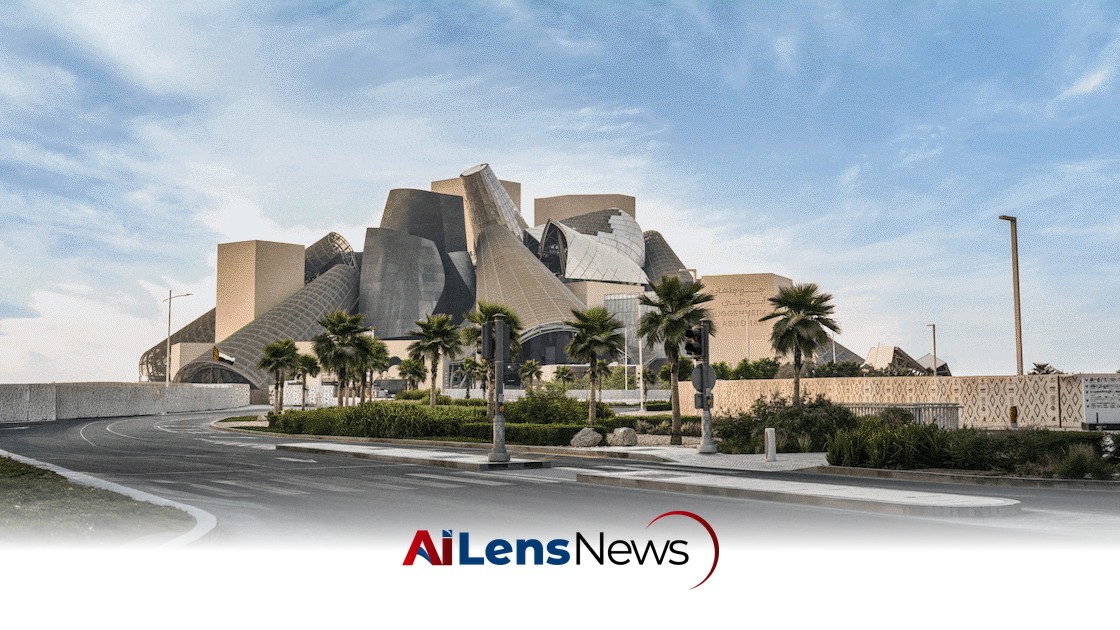


The Frank Gehry-designed museum will be the largest in the Guggenheim network, showcasing modern and contemporary art.
Abu Dhabi, United Arab Emirates Jul 29, 2026 ALN: Guggenheim Abu Dhabi is set to open to the public on December 11, as announced by the Department of Culture and Tourism - Abu Dhabi. This highly anticipated museum represents not only a significant addition to the cultural landscape of the United Arab Emirates but also a milestone in the global network of Guggenheim museums, which are known for their architectural innovation and commitment to modern and contemporary art. The opening of this museum is expected to transform Abu Dhabi into a major cultural hub, attracting visitors from around the world and solidifying its place in the international art scene.
The Frank Gehry-designed museum will be the largest in the Guggenheim network, surpassing its counterparts in New York, Venice, and Bilbao. This architectural marvel is situated in the Saadiyat Cultural District, an area that has been strategically developed to become a hub for culture and arts in Abu Dhabi. The district already hosts several major institutions, including the Louvre Abu Dhabi, teamLab Phenomena Abu Dhabi, Zayed National Museum, and the Natural History Museum Abu Dhabi. These institutions collectively aim to position Abu Dhabi as a leading destination for cultural tourism and artistic engagement in the region, drawing parallels to other global cultural capitals such as Paris and New York.
The museum is a partnership between the Department of Culture and Tourism Abu Dhabi and the Solomon R Guggenheim Foundation, which has a storied history of promoting modern and contemporary art. Established in 1937, the Guggenheim Foundation has been instrumental in establishing the Guggenheim brand as synonymous with cutting-edge art and architecture. The Abu Dhabi branch is poised to continue this legacy, offering a unique perspective that reflects the cultural diversity of the region. The Guggenheim Abu Dhabi is not only an architectural feat but also a cultural beacon that aims to bridge Eastern and Western artistic traditions, fostering a dialogue that highlights the interconnectedness of global art movements.
The Abu Dhabi museum's collection has been developed since 2009, focusing on modern and contemporary art from the 1960s to the present. This collection spans various mediums, including painting, sculpture, installation, photography, moving image, and new media. The curatorial vision emphasizes a diverse representation of artists, ensuring that the collection is not only a showcase of well-known figures in the art world but also a platform for emerging and underrepresented artists. This commitment to inclusivity is particularly significant in a global art landscape that has historically favored Western artists.
Previously announced artists include iconic figures such as Jackson Pollock, Mark Rothko, Andy Warhol, and Jean-Michel Basquiat, whose works have had a profound impact on the evolution of contemporary art. However, the museum's chairman, Mohamed Khalifa Al Mubarak, has emphasized the importance of including artists who have received less international attention. He stated that the collection will feature works from contemporary artists from South-East Asia, Asia, North Africa, Central Africa, and the Arab world. This commitment to inclusivity is a core aspect of the museum's mission, aiming to provide a platform for voices that have historically been marginalized in the global art narrative.
“They're going to be within that collection, but right next to them, you'll have amazing contemporary artists that maybe, unfortunately, the vast public don't know much about,” Al Mubarak noted. This approach not only enriches the visitor experience but also fosters a deeper understanding of the global art landscape, encouraging dialogue and appreciation for diverse artistic expressions. The museum aims to challenge the conventional narratives of art history, presenting a more nuanced view that reflects the complexities of contemporary society.
“The collection itself is truly global. It was imperative for us when we were assembling that collection that it focus on contemporary artists who have not been given the light they deserve, whether it’s because of their geographical location or their gender. We want to be unbiased in that,” he added. This commitment to equity in representation reflects broader trends in the art world, where institutions are increasingly recognizing the need to diversify their collections and programming. The Guggenheim Abu Dhabi stands as a testament to this shift, embodying a more inclusive and representative approach to curating art.
The building stands at the meeting point of land and sea, drawing on architectural forms from the Gulf. It has a total built-up area of 80,000 square meters, including 11,600 square meters of indoor gallery space and 23,000 square meters of outdoor exhibition areas. The design of the museum is not only visually striking but also functional, addressing the unique environmental challenges of the region. The architectural design features ten sculptural cones that rise across the building, with nine clad in stainless steel mesh and one in onyx and glass. These cones are not merely aesthetic; they serve practical purposes such as providing natural ventilation and shade, which are essential for enhancing the building's energy efficiency. Reaching heights of up to 88 meters, the structures are a testament to Gehry's innovative approach to architecture, marrying form and function in a way that is both visually captivating and environmentally conscious.
The Guggenheim Abu Dhabi is expected to attract not only art enthusiasts but also tourists from around the world, contributing to the local economy and enhancing the cultural dialogue between the UAE and the international community. The museum is part of a larger vision for Abu Dhabi to establish itself as a global cultural capital, where art, history, and education intersect. This vision aligns with the UAE's broader goals of diversifying its economy and reducing its reliance on oil by investing in cultural and creative industries.
In addition to its permanent collection, Guggenheim Abu Dhabi will likely host temporary exhibitions, educational programs, and community outreach initiatives, further solidifying its role as a dynamic cultural institution. The museum's opening is anticipated to be a significant event in the art calendar, drawing attention from collectors, curators, and art lovers alike, and setting the stage for Abu Dhabi to become a key player in the global art scene. The museum's programming will likely include collaborations with international artists and institutions, fostering a cross-cultural exchange that enriches the local art community.
As the opening date approaches, excitement is building around the museum's potential to reshape perceptions of art in the region and to foster a greater appreciation for diverse artistic expressions. The Guggenheim Abu Dhabi is not just a museum; it is a cultural landmark that embodies the aspirations of a city committed to art, culture, and inclusivity. The museum's establishment is a reflection of the UAE's cultural ambitions and its desire to promote understanding and dialogue through the arts. As it opens its doors, the Guggenheim Abu Dhabi is poised to become a vital part of the global art narrative, inviting visitors to explore the richness and diversity of contemporary art.
To learn more about the latest developments in Cultural Events, stay updated with our exclusive reports and analyses on AiLensNews.

