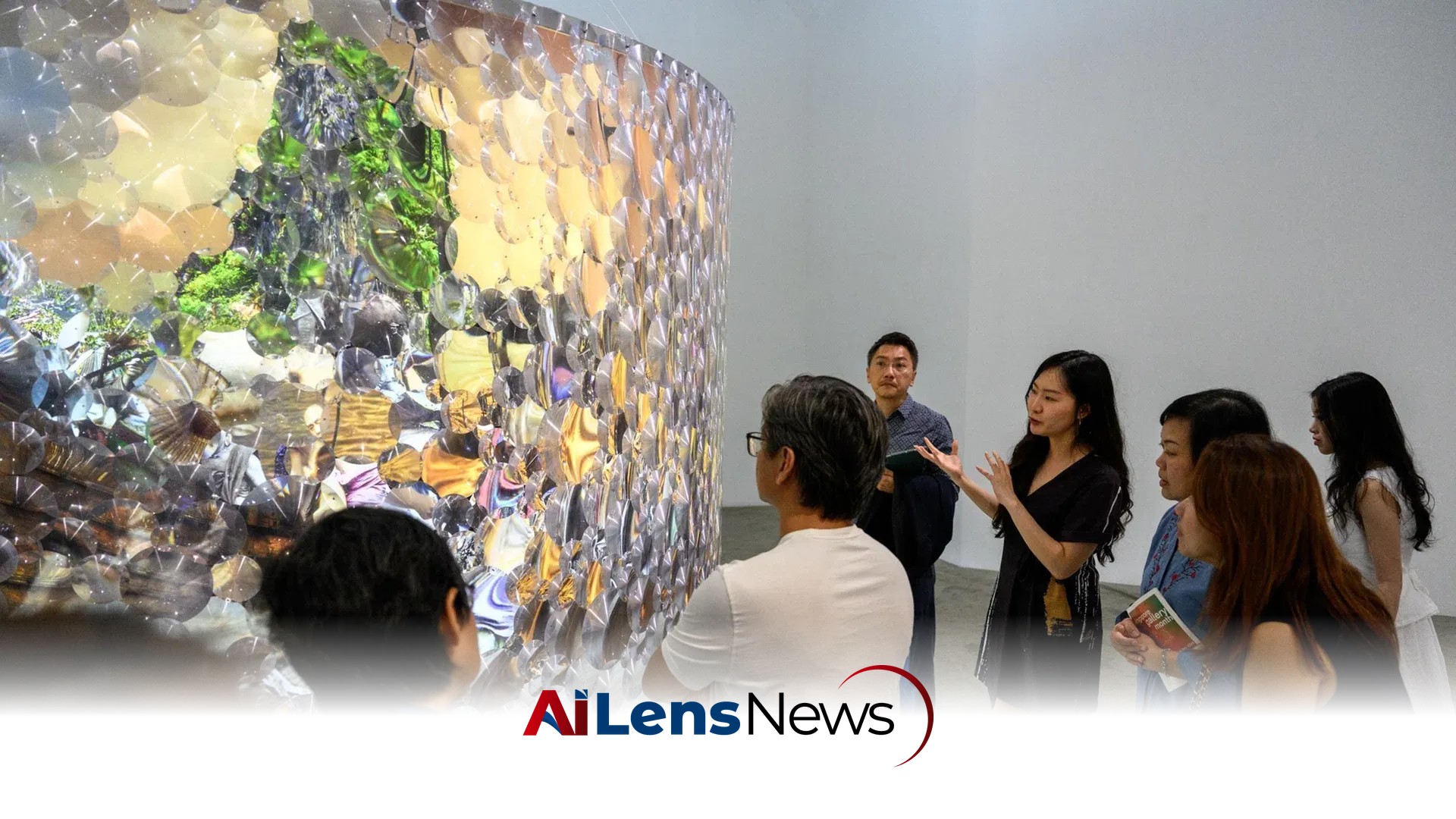


The upcoming Singapore Gallery Month seeks to expand the art collecting community through various engaging events and programs.
Singapore, Singapore Jul 30, 2026 ALN: [SINGAPORE] Singapore does not lack people who can afford art. What it lacks, says Audrey Yeo, is enough people who feel confident buying it.
For the president of the Art Galleries Association Singapore (Agas), that distinction explains one of the local market’s enduring paradoxes: Singaporeans readily spend on watches, cars, and wine, yet remain comparatively shy when it comes to art. This observation highlights a broader cultural phenomenon where art, despite being a significant component of cultural expression and identity, is often relegated to the sidelines in favor of more conventional luxury goods.
“Art certainly asks more of its buyers,” she says. “It requires some depth and understanding. It requires some knowledge of art history. You need to spend time looking, reading, and thinking about it.” This statement underscores the complexity of art appreciation and the barriers that potential collectors face. Unlike more straightforward consumer goods, art demands engagement and a willingness to delve into its narratives, aesthetics, and the context surrounding its creation.
Therefore, Agas’ upcoming Singapore Gallery Month (SGM), running from Aug 15 to Sep 13, was conceived as a month-long bridge between curiosity and collecting. This initiative seeks to demystify the art world, making it more accessible and inviting to those who may feel intimidated by the prospect of becoming art collectors.
Through exhibitions, artist talks, gallery tours, workshops, and collector-focused experiences, SGM aims to give newcomers the context, access, and confidence to move from simply enjoying art to understanding how – and why – to collect it. This approach is vital in fostering a more vibrant art scene, as it encourages individuals to engage with art on a deeper level.
“What is always complicated is the initial stage – getting someone interested and helping them move from discovery to engagement,” says Yeo. “They may need some knowledge of Singapore or Southeast Asian art history, and they may not have friends around them who share the hobby.” This highlights the importance of community and shared experiences in enhancing one’s understanding and appreciation of art. By creating spaces for dialogue and interaction, SGM aims to build a supportive network for budding collectors.
Some of the most inviting programmes at this year’s SGM are designed precisely to make the art world feel more welcoming and accessible. At Creators & Connoisseurs: A Speed Dating Soiree, held at Gajah Gallery on Sep 5, visitors can meet emerging and established artists through a series of brisk, five-minute conversations. “It is like musical chairs,” says Yeo. “You speak to one artist, then move on to the next. It is always lively and fun.” This format not only facilitates connections between artists and potential collectors but also transforms the often-staid atmosphere of art appreciation into a dynamic and engaging experience.
Many SGM activities are free, while tickets to some cost as little as S$5. But for those seeking deeper access, the S$1,000 Patron’s Pass offers remarkably good value. Pass holders also receive a one-on-one consultation with a well-known art adviser and S$500 in credits redeemable at participating galleries. This tiered access allows for a more personalized experience, catering to both casual art enthusiasts and serious collectors.
It also includes exclusive visits to private collectors’ homes, where participants can see how collections are built and how art sits within the textures of everyday life. This glimpse into private collections can be particularly enlightening, as it showcases the personal connections individuals have with art and the stories behind their acquisitions.
Elsewhere, Gillman Gatherings opens SGM on Aug 15 with a day of exhibition launches, talks, and family-friendly activities. This event serves as a vibrant kickoff for the month, designed to attract a diverse audience and encourage family participation in the arts. Art After Hours brings Tanjong Pagar Distripark to life on Aug 29 with performances, tours, talks, and extended gallery hours. These events are strategically timed to engage both working professionals and families, thereby broadening the reach of the art community.
Guided precinct tours and hands-on workshops – spanning found poetry, collage, field recording, and neighborhood sound walks – round out the month-long programme. These workshops not only provide participants with practical skills but also encourage them to explore their own creativity, further demystifying the art-making process.
More than a month-long promotional campaign, SGM is an exercise in cultivating the habits from which a stronger art market might eventually emerge. “There is a misconception that art is a luxury good,” Yeo notes. “What we want people to understand is that it is a cultural good – something that carries ideas, histories, and ways of seeing, rather than signalling wealth or status.” This perspective is crucial in shifting the narrative around art from mere consumption to appreciation and cultural enrichment.
“It rewards curiosity, connects people with artists and new ideas, and allows them to play an active part in sustaining the culture around them.” By framing art as an essential component of cultural dialogue, SGM seeks to inspire a sense of ownership and responsibility among participants, encouraging them to invest not just financially but emotionally in the local art scene.
That effort is especially important because Singapore remains a difficult place in which to operate a gallery. “We have very high labour and logistics costs,” adds Yeo, who is also the founder of a Gillman Barracks gallery named Yeo Workshop. “We face a manpower shortage of gallery staff who have a combination of art-historical knowledge and strong operational ability.” This issue reflects broader challenges within the creative industries, where a lack of specialized talent can hinder growth and innovation.
Her diagnosis is succinct: “Our costs are developed, but our art market is underdeveloped.” This statement reveals a critical gap in the local art ecosystem, where financial viability does not necessarily translate to a thriving cultural landscape. Still, Singapore galleries have found success overseas. Yeo says galleries returning from fairs in Hong Kong, New York, and Basel have reported encouraging sales, suggesting that Singaporean and regional artists can resonate strongly when presented to more mature international markets. This international exposure is vital for artists seeking to establish themselves on a global stage.
Agas and SGM have also helped cultivate a younger generation of collectors in their 30s and early 40s, some of whom repeatedly purchase the Patron’s Pass to deepen their knowledge of art. This trend indicates a shifting demographic within the art market, where younger collectors are increasingly seeking to engage with art not just as a status symbol but as a meaningful pursuit.
Space, however, remains a more difficult question. With Gillman Barracks eventually expected to make way for redevelopment, Yeo says no obvious replacement has emerged for the galleries whose leases expire in 2030. “It is such a luxury to have galleries spread out on the ground, surrounded by nature,” she adds. This highlights the ongoing struggle for art spaces in urban environments, where real estate pressures often threaten cultural institutions.
“We can always move into a high-rise warehouse in the future. But I do not think we will ever have something quite like Gillman Barracks again.” This sentiment encapsulates the challenges faced by the art community in Singapore, as they navigate the complexities of urban development while striving to maintain a vibrant and accessible cultural landscape. As SGM unfolds, it represents not just an event but a broader movement towards fostering a sustainable art ecosystem that values creativity, engagement, and cultural dialogue.
To learn more about the latest developments in Cultural Events, stay updated with our exclusive reports and analyses on AiLensNews.

