

More
Checking your session
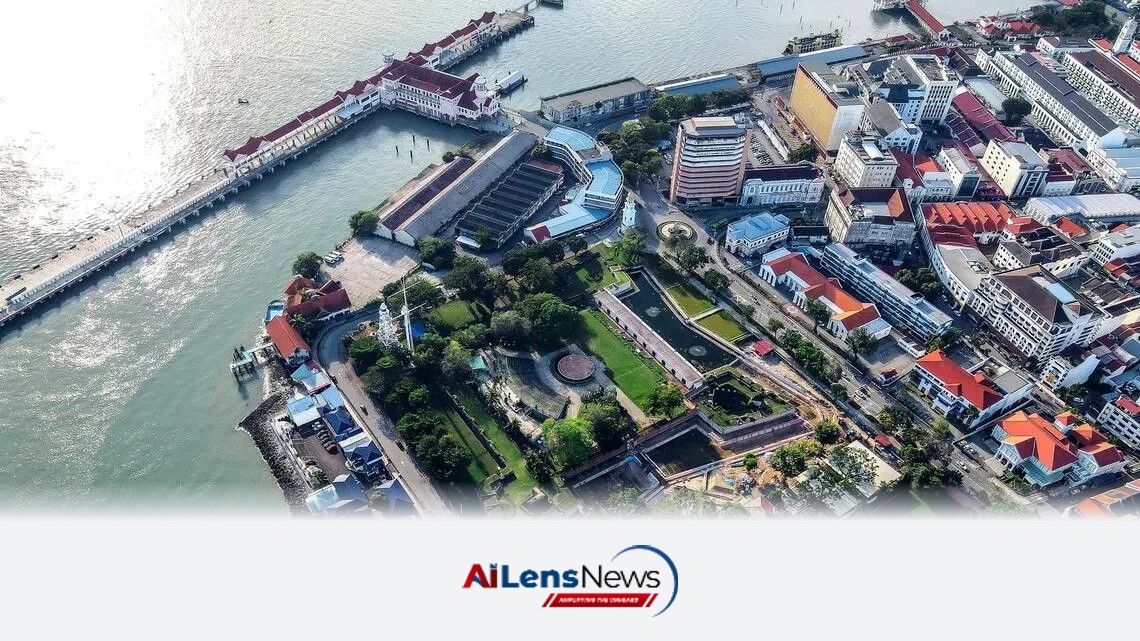



George Town balances heritage preservation with modern living, showcasing its unique identity while welcoming tourists. The local community thrives alongside rising tourism.
Singapore, Singapore Aug 26, 2026 ALN: It has been 18 years since the historic towns of George Town and Melaka were inscribed as UNESCO heritage sites, driving a boom in their cultural economies. This recognition has not only highlighted the rich history and diverse cultural tapestry of these regions but has also transformed them into focal points for tourists seeking authentic experiences. George Town, as the capital of Penang, has emerged as a unique case study in how heritage can be preserved while still accommodating the demands of modern tourism.
While both Penang and Melaka states have benefited from tourism dollars, George Town’s careful management of its heritage has helped it retain its sense of place. This delicate balance has allowed the city to flourish without succumbing to the pressures that often accompany increased tourist traffic. Unlike some other historical sites around the world, where local communities have been displaced by the influx of visitors and investment, George Town has managed to integrate tourism in a way that supports its residents and local businesses.
The 2008 inscription brought more visitors and investment to Penang, but George Town has avoided becoming a heritage theme park. This distinction is crucial as it underscores the city’s commitment to maintaining its authenticity. Generations-old businesses, associations, hawkers, and residents still occupy its historic core, where some buildings date back more than two centuries. This longevity of community presence is a testament to the city’s efforts in preserving its cultural identity, setting it apart from other UNESCO-listed cities where tourism has displaced much of the original community.
“A space has layers of history, stories. It’s about people. It’s about what creates that identity. It’s the spirit of the place,” said Hamdan Majeed, managing director of urban impact organisation Think City.
Majeed’s insights highlight the importance of community in shaping the identity of George Town. The narrative of a place is often intertwined with the lives of its residents, and preserving their stories is essential in maintaining the cultural richness of the area. “We live in an age when identity has become very important because the world homogenises,” he said at the July 25 reopening of Fort Cornwallis, a significant historical landmark that has undergone restoration to enhance its appeal to both locals and tourists.
The UNESCO inscription has driven tourist arrivals to Penang, with annual hotel guest numbers rising from around four million to five million previously to more than six million in 2008. In 2024, the figure surpassed eight million. This influx of tourists has created opportunities for local entrepreneurs, encouraging the growth of small businesses that offer unique products and services reflective of George Town’s heritage. From traditional crafts to culinary experiences, the local economy has been revitalized while ensuring that the essence of George Town remains intact.
George Town’s UNESCO heritage status has boosted tourism and the local economy while preserving traditional trades and minimizing gentrification. The Penang government, in collaboration with organizations like Think City, focuses on urban renewal and liveability, balancing heritage conservation with modern needs. This approach is essential in ensuring that the city’s historical significance is not overshadowed by commercial interests.
Restorations like Fort Cornwallis enhance both cultural value and community wellbeing, keeping George Town a vibrant home for residents and businesses. These initiatives not only preserve the physical structures but also promote a sense of pride and ownership among the local population. By engaging the community in the restoration process, the government and organizations can foster a deeper connection between the residents and their heritage.
As George Town continues to evolve, it remains a testament to the harmonious coexistence of heritage and modern life, ensuring that it remains a vibrant home for its residents while welcoming visitors from around the world. The ongoing dialogue between tradition and modernity is crucial for the city’s future, as it navigates the challenges of urbanization and globalization. The ability to adapt while preserving its unique identity will determine how George Town can sustain its cultural integrity in the face of growing commercial pressures.
In conclusion, George Town serves as an exemplary model for other heritage cities grappling with the complexities of tourism and urban development. Its success lies in the collaborative efforts of government bodies, local organizations, and the community to create a living heritage that honors the past while embracing the future. The lessons learned from George Town can provide valuable insights for cities worldwide as they seek to balance the demands of tourism with the preservation of their cultural identity.
To learn more about the latest developments in Heritage & History, stay updated with our exclusive reports and analyses on AILensNews.