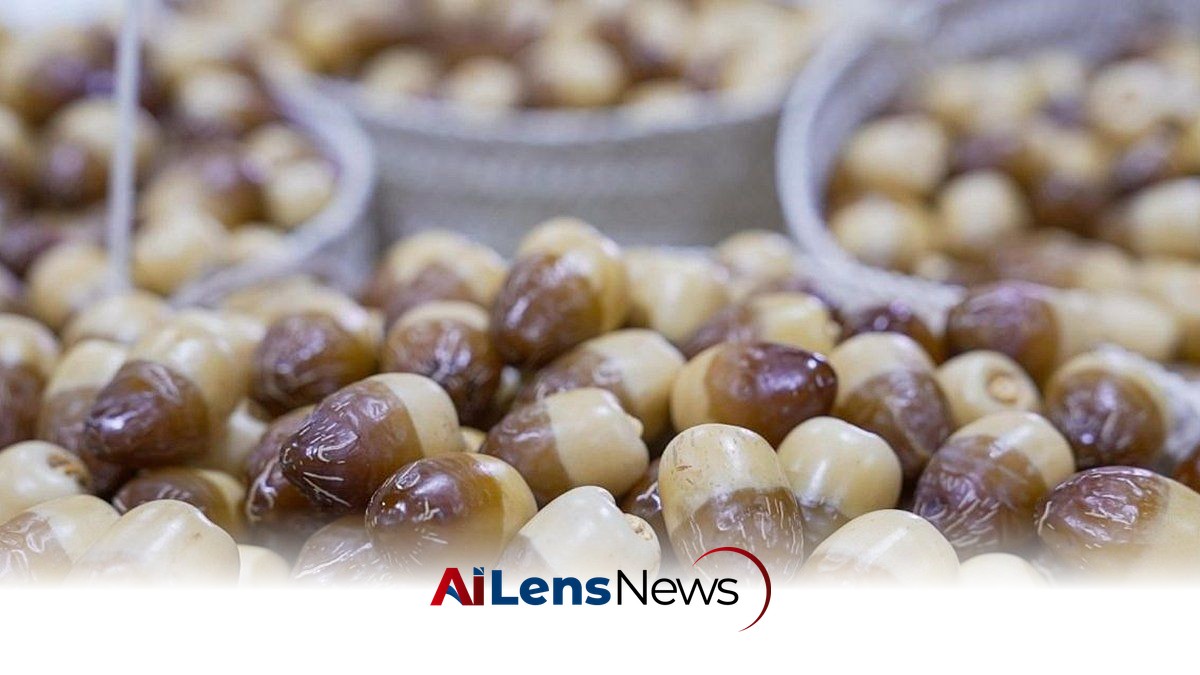


The inaugural Al Ain Rutab Festival at Al Sarooj Park highlights Emirati heritage, fresh dates, and sustainable agriculture, running until July 31.
Kuwait City, Kuwait Jul 26, 2026 ALN: Al Ain: Under the patronage of Sheikh Hazza bin Zayed Al Nahyan, Ruler's Representative in the Al Ain Region, the first Al Ain Rutab Festival officially opened on Saturday at Al Sarooj Park in Al Ain. Organised by the Abu Dhabi Heritage Authority, the festival runs until July 31.
The festival is part of the Authority's wider Rutab Season, following the conclusion of the 22nd Liwa Date Festival last Thursday. The programme now shifts to the historic oases of Al Ain, known for producing some of the UAE's finest fresh dates. The significance of dates in Emirati culture cannot be overstated; they are not just a staple food but also a symbol of hospitality and generosity.
The initiative aims to make the most of the emirate's different agricultural regions and harvest seasons, creating more marketing opportunities for farmers, supporting the sustainability of the agricultural sector, and celebrating the long-standing connection between Emiratis and the date palm, which has been central to the country's economy, heritage, and daily life for generations. Dates are often referred to as the lifeblood of the region, with their cultivation dating back thousands of years, making them a vital part of the UAE's identity.
The opening day included a tour by Faris Khalaf Al Mazrouei, Chairman of the Abu Dhabi Heritage Authority, accompanied by Sheikh Mohammed Hamad bin Rakad Al Ameri and the Authority's executive directors. This tour was not merely ceremonial; it was an opportunity to engage with the community and understand the local agricultural landscape better.
During the visit, Al Mazrouei reviewed the festival's competitions, which showcase the quality of produce from Al Ain's oases. He also inspected the process for receiving and judging entries in the fresh date and local fruit competitions, visited the heritage market and exhibitors' pavilions, and explored displays of traditional crafts and knowledge linked to the date palm. These activities are crucial for fostering a sense of community and shared heritage, as they allow local farmers and artisans to connect with visitors and each other.
Obaid Khalfan Al Mazrouei, Executive Director of the Festivals and Events Sector at the Abu Dhabi Heritage Authority, said the festival builds on the Authority's efforts to strengthen the role of the date palm in community life, support farmers, and preserve the UAE's agricultural heritage. The festival serves as a reminder of the importance of agriculture in the region's economy and cultural identity.
"The Authority is committed to making the Al Ain Rutab Festival a platform that brings together farmers, experts, and enthusiasts, while showcasing the quality of local produce, encouraging the exchange of knowledge, and promoting best agricultural practices," he said. This commitment reflects a broader strategy to enhance the agricultural sector's viability and sustainability in the face of modern challenges.
"We have prepared a comprehensive programme that reflects Al Ain's position as one of the UAE's leading agricultural regions, while giving farmers the opportunity to showcase the results of their hard work in a fair and transparent competition." This transparency is essential for building trust within the community and ensuring that farmers feel valued and recognized for their contributions.
He said the festival, as part of the Rutab Season, marks the culmination of a year's work caring for and cultivating date palms. Every competition entry reflects years of experience in growing and managing date palms, making the contests about more than prizes by helping preserve valuable agricultural knowledge. This emphasis on knowledge transfer is vital for ensuring that traditional farming practices are not lost to future generations.
Al Mazrouei said the first edition has been designed to offer visitors and participants a complete experience through fresh date competitions, heritage events, traditional crafts, and community activities. These aim to introduce younger generations to the important role the date palm has played in Emirati life while highlighting its continued contribution to food security and agricultural development. Engaging the youth is particularly important, as they are the future stewards of this agricultural heritage.
He added that holding the Al Ain Rutab Festival immediately after the Liwa Date Festival reflects the Authority's plan to create a continuous Rutab Season across the emirate. By matching festival dates with harvest periods in different regions, more farmers can take part and showcase their produce, helping support the sector while preserving the heritage of date palm cultivation. This strategic planning is indicative of a growing recognition of the importance of agriculture in the UAE's economy.
The festival is open daily from 4 PM to 10 PM. It aims to preserve the UAE's agricultural heritage, promote modern date palm farming practices, strengthen food security, improve the quality of local produce, support economic activity, and raise awareness of the date palm's lasting importance in Emirati society. This multifaceted approach is designed to ensure that the festival has a lasting impact on both the local agricultural community and the broader public.
It also brings together farmers, agricultural experts, institutions, and the public in a setting that celebrates farming, knowledge, and heritage. Such gatherings are crucial for fostering collaboration and innovation within the agricultural sector, allowing for the sharing of best practices and new ideas.
The festival features 19 competitions with 245 prizes worth more than Dh5 million in total. These competitions are not just about winning; they serve as a platform for farmers to gain recognition for their hard work and dedication.
Competitions include fresh date categories for Khalas, Fardh, Buma'an, Kheneizi, Shishi, and Zamli varieties, as well as elite categories, Largest Date Bunch, Home Harvest, Most Beautiful Date Harvest Basket, and Creative Works from Date Palm Trunks. These categories reflect the diversity of date varieties and the creativity of local farmers, encouraging them to push the boundaries of quality and presentation.
There are also competitions for locally grown mangoes, lemons, and figs, highlighting the agricultural diversity of Al Ain's oases while encouraging farmers to improve both the quality and quantity of their produce. This focus on diverse agricultural products is essential for promoting a resilient agricultural economy that can withstand the challenges posed by climate change and market fluctuations.
Visitors can also enjoy heritage activities, entertainment programmes, a traditional market, and pavilions hosted by sponsors and partners, offering an opportunity to experience the UAE's agricultural traditions and cultural heritage. The inclusion of entertainment and cultural activities ensures that the festival is not only informative but also enjoyable, attracting a wider audience and strengthening community ties.
To learn more about the latest developments in Cultural Events, stay updated with our exclusive reports and analyses on AiLensNews.

