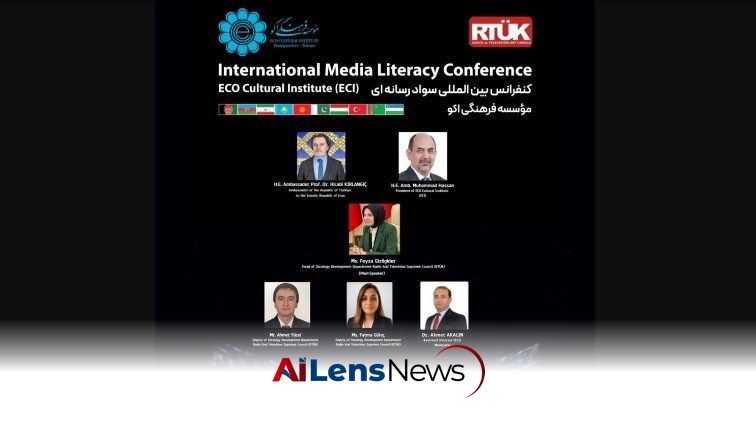


The ECO Cultural Institute will host an international conference on media literacy in Tehran on August 18, focusing on its role in global cooperation.
Tehran, Iran Aug 14, 2026 ALN: TEHRAN - The ECO Cultural Institute (ECI), in cooperation with Türkiye’s Radio and Television Supreme Council (RTÜK), is scheduled to host an international conference on media literacy in Tehran on August 18. This event is poised to attract a diverse array of participants, including diplomats, cultural figures, media professionals, and experts in the field of media literacy, all of whom will gather to exchange views on the evolving role of media literacy and its contribution to international cooperation.
Media literacy has emerged as a critical competency in the modern world, where the proliferation of digital technology and the internet has transformed how information is consumed and disseminated. The ability to critically analyze media content, discern credible sources from unreliable ones, and understand the underlying motives behind media messages is more important than ever. This conference is particularly timely given the rapid changes in media landscapes globally and the challenges that come with misinformation and disinformation.
Feyza Gizligider, head of the Strategy Development Department at RTÜK and an expert in media literacy in Türkiye, will attend the event as part of a delegation from the Turkish regulatory body. Her participation underscores the significance of international collaboration in addressing media literacy challenges. RTÜK, as a regulatory authority, plays a crucial role in shaping media policies and promoting media literacy initiatives within Türkiye. Gizligider's insights and experiences are expected to contribute significantly to the discussions at the conference.
The gathering is expected to provide a platform for exchanging views on contemporary challenges and developments in media literacy, as well as its growing importance in an increasingly interconnected media environment. In recent years, there has been a surge in initiatives aimed at enhancing media literacy, particularly in educational settings. Countries around the world are recognizing the need to equip their citizens, especially the younger generation, with the skills necessary to navigate the complex media landscape.
Participants will also discuss the role of media literacy in promoting informed and responsible engagement with media, strengthening professional exchanges, and fostering dialogue and cooperation across borders. The implications of such discussions are profound, as they may lead to the formulation of collaborative strategies that can be implemented in various countries to enhance media literacy education and awareness.
Furthermore, the conference reflects a broader trend within the Economic Cooperation Organization (ECO), which comprises member states aiming to promote economic, technical, and cultural cooperation. The ECI's efforts to expand cultural and professional exchanges among institutions and specialists from the ECO region and partner countries are indicative of a growing recognition of the importance of media literacy in fostering a more informed society. By facilitating dialogue among diverse stakeholders, the ECI aims to cultivate a shared understanding of media literacy's critical role in contemporary society.
The event will be held from 10 a.m. to 12:30 p.m. at the ECO Cultural Institute in Tehran’s Aqdasieh district. The choice of venue is significant, as the ECO Cultural Institute serves as a hub for cultural exchange and collaboration among member states. It is anticipated that the conference will not only address the current state of media literacy but also explore future directions and initiatives that can be undertaken to enhance media literacy education on a global scale.
In the context of rising concerns over misinformation, particularly in the age of social media, the discussions at this conference are expected to resonate well beyond the borders of the ECO region. The principles of media literacy are universally applicable, and the insights gained from this gathering may serve as a model for similar initiatives in other parts of the world. By engaging with the complexities of media consumption and production, participants will have the opportunity to contribute to a more informed public discourse.
Moreover, the conference's focus on international cooperation highlights the necessity of a coordinated response to the challenges posed by the digital age. As media landscapes continue to evolve, the importance of building cross-border partnerships and sharing best practices in media literacy education will become increasingly vital. This conference represents a step towards fostering such partnerships and advancing the global conversation on media literacy.
The significance of media literacy cannot be overstated in today’s climate, where misinformation and disinformation campaigns can sway public opinion, influence elections, and even incite violence. The conference will likely address these pressing issues, emphasizing the need for individuals to develop critical thinking skills that allow them to navigate the vast sea of information available online. The ability to distinguish between fact and fiction is not just a personal skill; it is a societal necessity that underpins democratic processes and informed citizenship.
In many countries, educational institutions are increasingly recognizing the importance of integrating media literacy into their curricula. Programs designed to teach students how to analyze media messages, understand the impact of advertising, and recognize bias in reporting are becoming more common. This conference will serve as a platform to share successful strategies and methodologies that have been implemented in various educational contexts, providing a roadmap for other nations looking to bolster their media literacy efforts.
As the digital landscape grows more complex, with the rise of social media platforms and user-generated content, the role of traditional media is also evolving. The conference will explore how media literacy can be adapted to address these changes, ensuring that citizens are equipped to engage with both traditional and new forms of media. This adaptability is crucial in a world where information can spread rapidly and virally, often without proper verification.
Additionally, the conference aims to highlight the role of technology in enhancing media literacy. With the advent of various digital tools and platforms, there are new opportunities for teaching and learning about media. Workshops and sessions may focus on how technology can be leveraged to create engaging media literacy programs that resonate with younger audiences. This focus on technological integration is essential as it aligns with the interests and habits of today’s youth, who are often digital natives.
In conclusion, the upcoming international conference on media literacy in Tehran is not just an event for exchanging ideas; it is a critical meeting point for stakeholders who recognize the transformative power of media literacy in shaping informed societies. As participants gather to discuss strategies and share experiences, the outcomes of this conference may have far-reaching implications for media literacy initiatives across the globe, ultimately contributing to a more informed and engaged citizenry. The collaborative nature of this event underscores the importance of unity in addressing shared challenges, making it a pivotal moment for media literacy advocates worldwide.
To learn more about the latest developments in Cultural Events, stay updated with our exclusive reports and analyses on AiLensNews.

