

India's Ministry of External Affairs emphasizes the role of Tamil cinema in enhancing tourism and cultural connections during President Murmu's visit to North Macedonia.
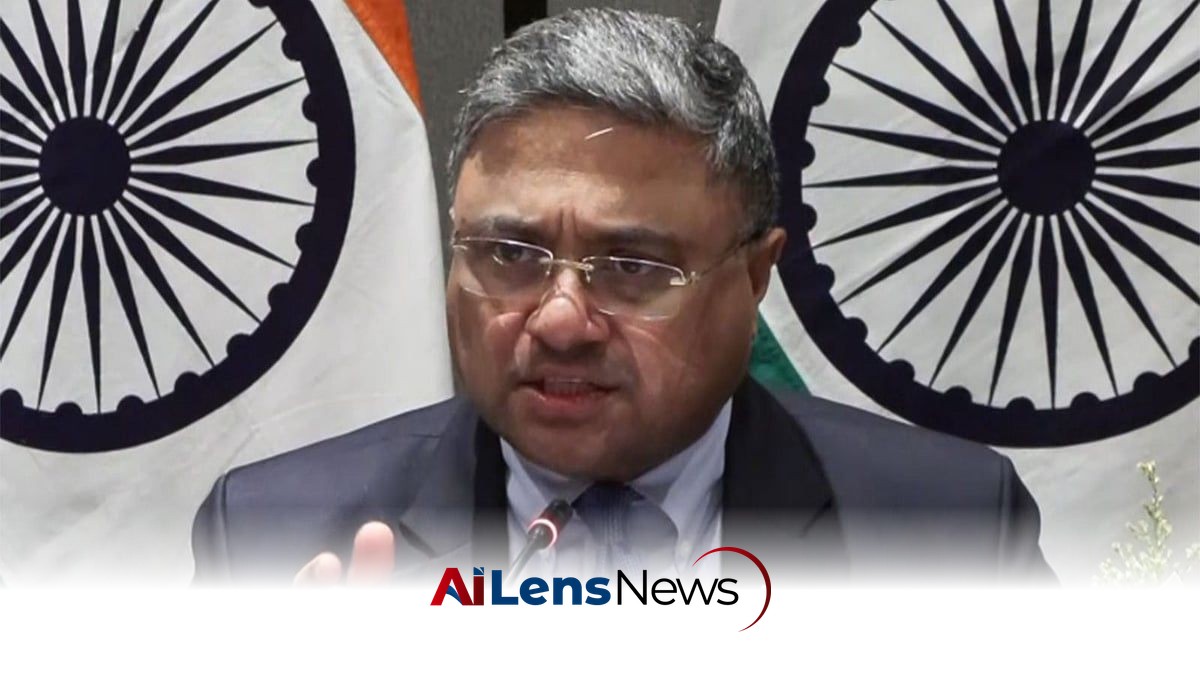
New Delhi, India Jul 23, 2026 ALN: The intersection of cinema and diplomacy has long been recognized as a powerful tool for fostering cultural ties and promoting tourism. This was vividly highlighted during the recent state visit of President Droupadi Murmu to North Macedonia, where discussions centered around the impact of Tamil cinema on international relations and cultural exchange. Ministry of External Affairs Secretary (West), Sibi George, emphasized this potential during a special press briefing, underlining how film can serve as a bridge between diverse cultures.
Tamil cinema, known for its rich storytelling and vibrant narratives, has gained international acclaim over the years. The industry's ability to transcend geographical boundaries is evident in its growing audience base not just in India but also in various countries around the world. This cultural phenomenon reflects the deep-rooted traditions and contemporary issues prevalent in Tamil Nadu, making it an effective medium for cultural diplomacy.
During President Murmu's visit, discussions about a specific Tamil movie served as a focal point for exploring the broader implications of cinematic collaboration between India and North Macedonia. The film in question, while not named in the briefing, likely represents themes or narratives that resonate with both Indian and Macedonian audiences, showcasing the universal language of cinema. By bringing such films into the discourse, the visit aimed to highlight how shared cultural experiences can enhance mutual understanding and respect between nations.
The significance of Tamil cinema extends beyond mere entertainment; it serves as a reflection of the socio-political landscape of Tamil Nadu and the Indian subcontinent. The narratives often delve into themes of identity, social justice, and human emotions, which can find common ground with audiences from different cultural backgrounds. Films from this region often incorporate traditional music, dance, and folklore, which can be appealing to international viewers and can help to promote cross-cultural understanding.
In addition to discussing Tamil cinema, Secretary George also focused on the potential for tourism growth through such cultural exchanges. The promotion of Tamil films in North Macedonia could encourage tourism from India, as fans of the genre may be inspired to visit locations featured in the films or engage with the local culture that parallels the narratives they have come to love. This aligns with broader trends in global tourism, where film-induced travel has become increasingly popular, with destinations often seeing spikes in visitors following the release of films shot in their locales. Such tourism can be a significant economic driver, benefiting local businesses and providing opportunities for cultural engagement.
Furthermore, President Murmu's invitation to North Macedonia to participate in the upcoming World Audio-Visual and Entertainment Summit (WAVES) underscores India's commitment to fostering international collaboration in the arts. The inaugural edition of WAVES, held last year, was celebrated as a significant success, bringing together industry leaders, creators, and policymakers from around the globe to discuss the future of the audio-visual and entertainment sectors. The summit serves as a platform for sharing knowledge, exploring new technologies, and discussing trends that shape the industry.
By inviting North Macedonia to participate in WAVES, India is not only extending an olive branch for collaboration but also recognizing the potential contributions that the Macedonian film industry could bring to the table. This invitation could pave the way for joint ventures, co-productions, and cultural exchanges that benefit both nations. Such partnerships can enhance the visibility of both countries' cinematic outputs, allowing for a richer exchange of ideas, narratives, and artistic expressions. The collaborative efforts could lead to the creation of hybrid films that blend elements from both cultures, thereby enriching the global cinema landscape.
The implications of these discussions extend beyond mere cultural exchanges; they hold the potential for economic benefits as well. Strengthening ties through cinema and tourism can lead to increased investment opportunities, job creation, and a more vibrant cultural landscape in both countries. As the global entertainment industry continues to evolve, countries that actively engage in cultural diplomacy through cinema may find themselves at the forefront of international collaboration. The economic impact of such partnerships can be substantial, potentially leading to increased revenue from tourism and film production.
Moreover, the emphasis on Tamil cinema during President Murmu's visit reflects the broader trend of regional cinema gaining recognition on the world stage. As Indian cinema diversifies and regional industries like Tamil, Telugu, and Bengali cinema gain prominence, they contribute to a more nuanced understanding of India's cultural fabric. This recognition can foster pride within these communities and encourage the preservation and promotion of their unique cultural identities. The rise of regional cinema also offers opportunities for talent from various backgrounds to showcase their skills and stories, thereby enriching the Indian film industry as a whole.
In summary, the discussions surrounding Tamil cinema during President Droupadi Murmu's state visit to North Macedonia highlight the significant role that cinema can play in promoting cultural ties and tourism. By leveraging the popularity of Tamil films and inviting North Macedonia to participate in international events like WAVES, India is taking proactive steps to strengthen its cultural diplomacy. As both countries explore potential collaborations, the future of their cultural relations appears promising, with the possibility of mutual growth and understanding through the universal medium of film. The potential for enhanced cultural exchanges could lead to a deeper appreciation of each other's heritage, paving the way for long-lasting partnerships that transcend borders.
To learn more about the latest developments in Cultural Events, stay updated with our exclusive reports and analyses on AiLensNews.

