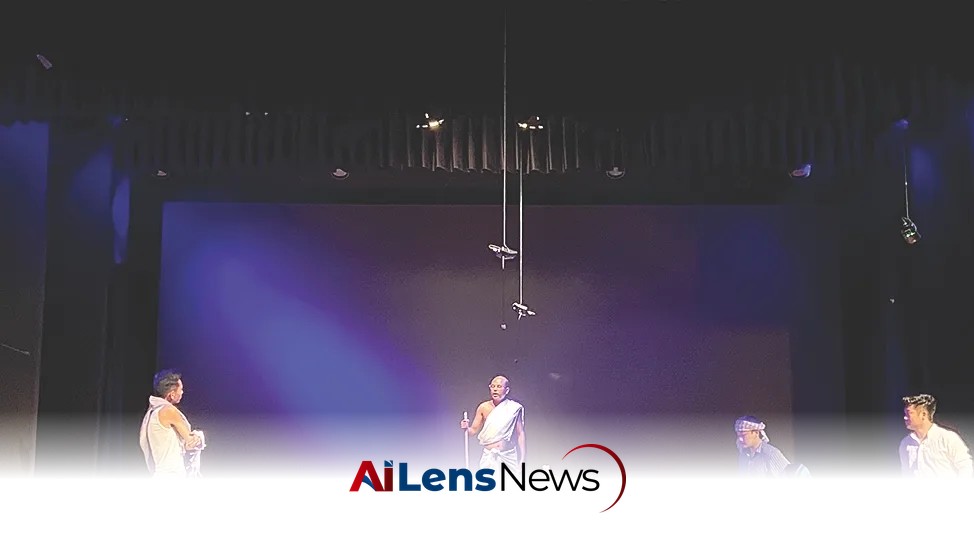


The National Theatre Festival 2026 showcased the play 'Voice From the Past' in Dimapur, celebrating 150 years of 'Vande Mataram' and Mahakavi Kalidasa Jayanti.
Kohima, India Jul 16, 2026 ALN: The National Theatre Festival 2026 recently took place at the Town Hall in Dimapur, where the play “Voice From the Past” was performed. This production, directed by Kilangtemsu Imsong, was part of a larger celebration organized by the Sangeet Natak Akademi, New Delhi, under the auspices of the Ministry of Culture, Government of India. The festival commemorated the 150th anniversary of the iconic song Vande Mataram and coincided with the celebration of Mahakavi Kalidasa Jayanti.
Held on July 15, the festival brought together a diverse audience eager to experience the rich cultural tapestry of Indian theatre. The play was performed in Nagamese, a local dialect, which added a unique flavor to the performance, making it relatable to the local audience. The choice of language not only enhanced the authenticity of the performance but also fostered a deeper connection between the performers and the viewers, highlighting the importance of regional dialects in the arts.
The National Theatre Festival serves as a platform to promote and showcase the vibrant performing arts of India. This year’s festival not only highlighted the artistic talents of local performers but also aimed to foster a sense of community and cultural pride among the attendees. The festival's programming included a variety of performances that reflected the diverse narratives found within Indian society, addressing themes such as social justice, identity, and the complexities of modern life.
Attending such festivals provides audiences with the opportunity to engage with the performing arts in a meaningful way. By bringing together artists from various backgrounds, the festival encourages a dialogue about cultural heritage and contemporary issues, allowing for a more comprehensive understanding of the artistic landscape in India. The National Theatre Festival has become a crucial event in the cultural calendar, promoting not just entertainment but also education and awareness.
“Voice From the Past” is a poignant narrative that explores themes of memory, identity, and the passage of time. Through its compelling storytelling and engaging performances, the play resonates with audiences, prompting reflections on personal and collective histories. The direction by Kilangtemsu Imsong has been praised for its innovative approach and ability to connect with the audience on an emotional level. Imsong's vision for the play has been described as both fresh and thought-provoking, challenging viewers to consider their own narratives and how they intersect with the broader historical context.
The narrative structure of “Voice From the Past” employs various theatrical techniques, including flashbacks and symbolic imagery, to weave together the past and present. This approach not only enriches the storytelling but also engages the audience in a dynamic way, prompting them to reflect on their own experiences and the collective memory of their community. The play's exploration of identity is particularly relevant in today's globalized world, where individuals often grapple with the complexities of belonging and heritage.
The festival's timing, coinciding with the 150th anniversary of Vande Mataram, adds a layer of significance to the event. This song, which played a crucial role in India's struggle for independence, continues to inspire generations. Its enduring legacy serves as a reminder of the power of art and music in social movements and national identity. The celebration of Mahakavi Kalidasa Jayanti further emphasizes the importance of literature and arts in shaping cultural narratives, honoring the contributions of one of India's greatest poets and playwrights.
Kalidasa's works have had a lasting impact on Indian literature and theatre, and his themes of love, nature, and human emotion continue to resonate with audiences today. By commemorating his legacy, the festival not only pays homage to the past but also encourages contemporary artists to draw inspiration from classical literature, fostering a sense of continuity in the arts.
Events like the National Theatre Festival not only entertain but also educate and engage communities. They provide a space for dialogue about cultural heritage and contemporary issues, encouraging local artists to showcase their work. The success of this festival could pave the way for more such initiatives in the future, promoting the arts across different regions of India. By highlighting local talent and stories, the festival plays a vital role in preserving cultural diversity and promoting inclusivity within the arts.
Moreover, the festival serves as a catalyst for collaboration among artists, directors, and playwrights from different regions. Such collaborations can lead to the development of new works that reflect the complexities of modern Indian society, enriching the theatrical landscape. As communities come together to celebrate their shared heritage, they also create an environment that nurtures creativity and innovation in the performing arts.
As the curtains fell on “Voice From the Past”, the audience was left with a sense of fulfillment and a deeper appreciation for the performing arts. The festival proved to be a significant event in the cultural calendar, celebrating both historical and contemporary narratives through the medium of theatre. The emotional resonance of the performances, combined with the festival's overarching themes of identity and memory, left a lasting impression on attendees, encouraging them to reflect on their own stories and the cultural narratives that shape their lives.
In conclusion, the National Theatre Festival 2026 in Dimapur not only showcased the artistic talents of local performers but also served as an important reminder of the role of theatre in fostering community, preserving cultural heritage, and addressing contemporary issues. As the festival continues to grow and evolve, it holds the potential to inspire future generations of artists and audiences alike, ensuring that the vibrant tradition of Indian theatre remains alive and relevant in an ever-changing world.
To learn more about the latest developments in Cultural Events, stay updated with our exclusive reports and analyses on AiLensNews.

