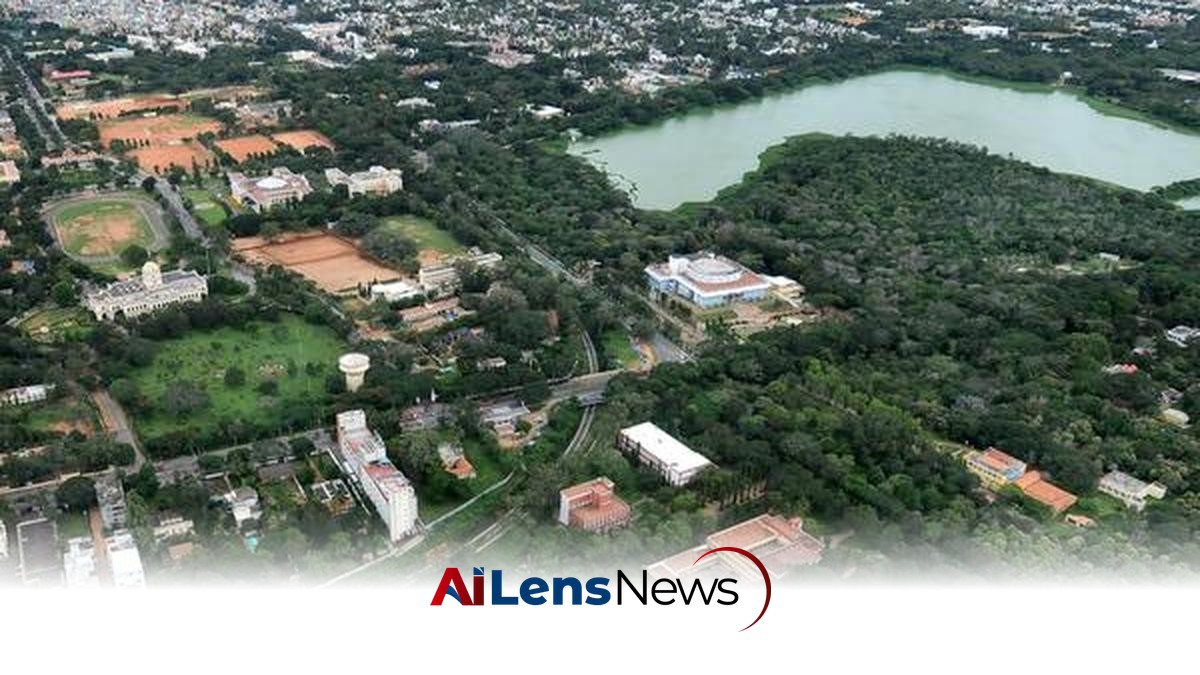


The Mysuru Biennale aims to highlight the city's rich cultural heritage beyond Dasara, focusing on art, architecture, and ecological sites.
Port Blair, India Apr 12, 2021 ALN: A new initiative is emerging in Mysuru aimed at highlighting the city’s rich heritage beyond its well-known Dasara festival. This initiative seeks to promote Mysuru as a vibrant hub for contemporary cultural activities while showcasing its built and natural heritage. By doing so, the initiative aims to provide a more comprehensive understanding of the city’s diverse cultural landscape, which has often been overshadowed by its iconic annual celebrations.
The project, currently in its early stages, was initially intended to launch this year. However, plans were disrupted by the COVID-19 pandemic, particularly the impact of the second wave, which led to delays in its implementation. The pandemic has affected numerous cultural and artistic initiatives globally, forcing many to rethink their strategies and adapt to new realities. Despite these challenges, project consultants are actively working on the concept, with plans to engage the public and experts across various fields to gather suggestions and insights that can help shape the initiative.
Referred to as the Mysuru Biennale for the time being, this project draws inspiration from the renowned Kochi-Muziris Biennale in Kerala, which has successfully showcased contemporary art and culture. The Kochi-Muziris Biennale has become a significant event in the Indian art calendar, attracting artists, curators, and art lovers from around the world. The Mysuru Biennale aims to utilize the city's existing heritage buildings as venues for various cultural events, thereby invoking the historic cosmopolitan legacy of Mysuru. This approach not only highlights the city's architectural beauty but also fosters a deeper appreciation for its cultural narratives. Mysuru, known for its palaces and rich history, has a lot to offer beyond its famous festivals.
Deputy Commissioner Rohini Sindhuri expressed her enthusiasm for the initiative, noting that while the concept is still in the planning phase, it has the potential to significantly enhance the visibility of Mysuru’s architectural diversity and contribute to the conservation of these structures. "We were keen to get the concept started, but it is still in the planning stage because of the pandemic. It can help showcase the diverse range of Mysuru’s architecture and help in their conservation as well," she mentioned during a recent press interaction. Her support highlights the importance of governmental backing in cultural initiatives, which can often be pivotal in securing funding and resources for successful execution.
The proposed activities for the Mysuru Biennale include a variety of events such as seminars, book launches, and hands-on learning experiences, which will take place at different venues across the city. This approach contrasts with the Dasara festival, which is primarily centered in the heart of Mysuru. By spreading events throughout the city, the Biennale aims to encourage exploration of lesser-known sites and promote a broader understanding of Mysuru's cultural heritage. This decentralization of events can help mitigate the overcrowding often seen during major festivals, allowing for a more intimate and enriching experience for attendees.
According to G.N. Heritage Matters, an architectural consulting firm involved in the initiative, the Mysuru Biennale has the potential to boost tourism without incurring significant costs associated with developing new attractions. The events will leverage the city’s existing cultural resources, creating unique experiences for visitors while keeping expenditures focused on developing effective management plans for executing the events. This strategy reflects a growing trend in cultural tourism, where cities utilize their historical and cultural assets to attract visitors, rather than relying solely on new constructions or attractions. Furthermore, the initiative is expected to foster the adaptive reuse of derelict and underutilized structures, breathing new life into these historic buildings and ensuring their preservation for future generations.
The themes for the Mysuru Biennale have been broadly categorized to encompass various aspects of the city’s culture. These include the unique traditions of Mysuru, Indian classical dance and music, art and architecture that highlight the city’s heritage, as well as wellness practices such as yoga and Ayurveda. Literature also plays a significant role, with the initiative aiming to create a platform for literary discussions and workshops. This multi-disciplinary approach not only enriches the cultural offerings of the Biennale but also allows for cross-pollination between different art forms and cultural practices, fostering a more holistic understanding of Mysuru’s heritage.
The sites identified for the Biennale have been organized into three categories: ‘the academic’, ‘the touristic’, and ‘the ecological’. This categorization allows for a structured approach to showcasing the diverse offerings of Mysuru. The inventory of buildings and sites encompasses several landmark structures, parks, and lakes, including notable locations such as Jayalakshmi Vilas Mansion, Crawford Hall, and the Oriental Research Institute. Other significant sites include Cheluvamba Mansion, the Deputy Commissioner’s office, Ursu Boarding School, Kukkarahalli Lake, and the historic Town Hall. By carefully selecting venues, the organizers can ensure that each event resonates with the unique character of its location, enhancing the overall experience for participants.
The ecological sites identified for the initiative include the Administrative Training Institute campus, Karanji Lake, and the picturesque surroundings of Lalitha Mahal Palace, among others. By incorporating these ecological elements, the Mysuru Biennale aims to promote environmental awareness and appreciation for the natural beauty that complements the city’s architectural heritage. This focus on ecology is particularly timely, as many cities around the world are grappling with the impacts of climate change and seeking ways to integrate sustainability into their cultural frameworks.
The implications of this initiative extend beyond mere tourism; it has the potential to foster a deeper connection between residents and their heritage, encouraging community involvement and pride in local culture. By engaging with both local and visiting audiences, the Mysuru Biennale can serve as a catalyst for cultural exchange and dialogue, enriching the overall cultural fabric of the city. This connection can be particularly beneficial in a post-pandemic world, where many communities are seeking to rebuild and reinforce their identities in the face of global challenges.
As the planning progresses, the involvement of various stakeholders—including artists, cultural organizations, educational institutions, and local communities—will be crucial in shaping the final vision of the Mysuru Biennale. This collaborative approach ensures that the initiative reflects the diverse voices and perspectives of those who call Mysuru home, while also appealing to a wider audience interested in exploring the city’s rich heritage. Inclusivity in planning can lead to more innovative ideas and a greater sense of ownership among community members, which is essential for the long-term success of cultural initiatives.
In summary, the Mysuru Biennale represents a significant step towards showcasing the lesser-known aspects of Mysuru’s heritage. By focusing on the city’s architectural gems and cultural practices, the initiative aims to create a multifaceted experience that not only attracts tourists but also fosters a sense of community and pride among residents. As the project moves forward, it will be essential for the authorities to navigate the ongoing challenges posed by the pandemic while remaining committed to the vision of a thriving cultural landscape in Mysuru. The success of the Mysuru Biennale could set a precedent for similar initiatives in other cities, demonstrating the potential of cultural heritage as a driver for community engagement and economic development.
To learn more about the latest developments in Heritage & History, stay updated with our exclusive reports and analyses on AiLensNews.

