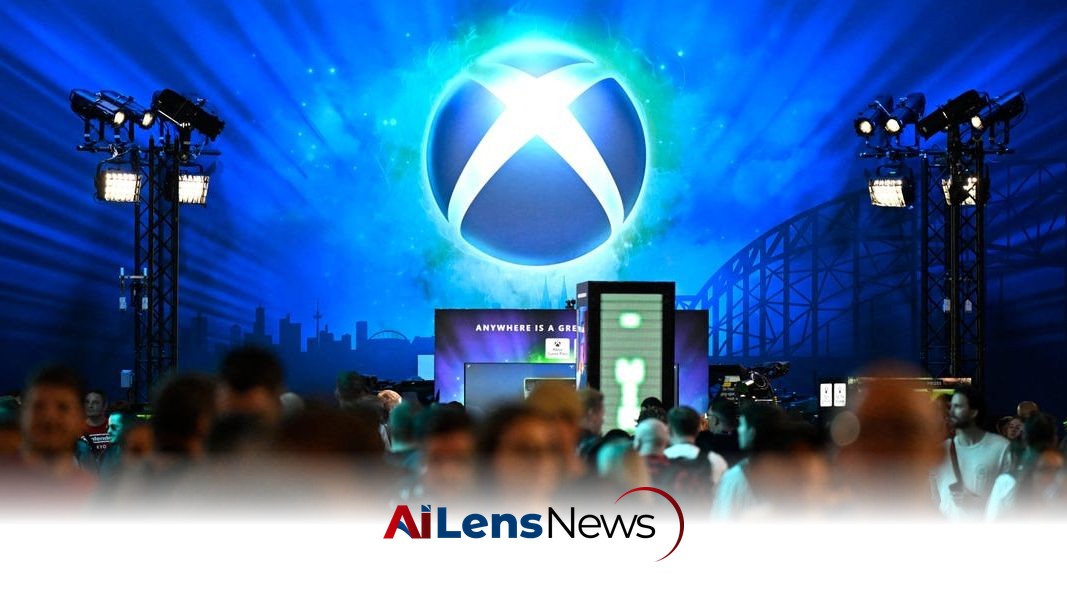


Microsoft's Xbox is testing a new ad-supported model for streaming games, raising questions about player acceptance and the future of gaming monetization.
Washington DC, United States Jul 29, 2026 ALN: With little fanfare, Microsoft's Xbox made a move last week that could shake up the gaming ad market. This initiative marks a significant shift in how gaming companies approach monetization, particularly in a landscape where traditional revenue models have been challenged by changing consumer behaviors and technological advancements.
Xbox is testing a way for users to stream games they own for free by watching ads, rather than paying for a Game Pass subscription. The implications of this model could be profound, as it represents a potential bridge between traditional advertising and the gaming experience. However, there is currently no word on what exact ad formats will be available or which brands will participate in this new venture. This uncertainty leaves many questions about how the integration of advertising will affect user experience and game enjoyment.
Historically, Xbox has trialed limited ad offerings in the past, but this effort signals that its new leadership team is serious about finding ways to make advertising work as it pursues profitability. Itamar Benedy, CEO of the gaming ad platform Anzu, emphasized the potential for Xbox to become a significant player in the advertising space. He stated, “Xbox has the opportunity to be an advertising powerhouse.” For Chief Marketing Officers (CMOs), Xbox provides scale, premium environments, and access to hard-to-reach audiences, making it an attractive platform for advertisers.
However, Benedy also noted a critical aspect of this initiative: “It's going to be a motivation question” as to how far Xbox wants to test its users' appetite for ads. This raises a crucial point about user engagement and satisfaction, as the gaming community has historically shown resistance to intrusive advertising. The balance between monetization and maintaining a positive user experience will be a delicate one for Xbox.
Jessica Leong, director of programmatic at the media agency PMG, highlighted how pre-game advertising creates a high-attention environment without disrupting the player experience. This approach could address one of the biggest challenges that gaming advertisers have faced, which is integrating ads into gameplay without alienating players. However, she cautioned that this alone may not be sufficient to build a scaled ad business. “While cloud gaming solves legitimate use cases — playing while traveling, accessing games without dedicated hardware, or avoiding large downloads — it's still complementary for many players rather than their primary way to play,” Leong explained. This raises an important question: Will Xbox have enough inventory to move the needle?
Xbox's jump into ad-supported gaming comes at a time when the company is undergoing a radical turnaround. Recently, Microsoft announced it was cutting 3,200 jobs from its Xbox business, divesting studios, and reshuffling leadership. The newly appointed Xbox CEO, Asha Sharma, acknowledged the challenges facing the business, stating, “Our business today is not healthy.” Furthermore, she pointed out that Xbox is operating at margins that are 3-10 times lower than comparable platform and publishing businesses. This admission underscores the urgency behind the company's new advertising strategy as a potential lifeline to improve financial performance.
As Xbox broadens its advertising ambitions, it must tread carefully. The gaming community is known for its passion and vocal opinions, and gamers are notoriously averse to advertising. Jonathan Stringfield, VP and GM of Xbox Media Solutions, expressed this sentiment on LinkedIn, noting that “Passion is a double-edged blade — it's what makes gaming media powerful and something which must be implemented with care.” This highlights the need for Xbox to strike a balance between generating revenue through ads and preserving the integrity of the gaming experience.
Microsoft already has a ready-made ad tech stack, along with the gaming expertise it gained from its 2023 acquisition of Activision Blizzard. This acquisition included the Activision Blizzard Media ad sales team, which could provide valuable insights and capabilities as Xbox ventures into the advertising space. Additionally, Microsoft has previously offered limited ad placements outside the games themselves, including static banner ads on the Xbox homepage and within the Xbox store. These experiences may serve as a foundation for more integrated advertising solutions.
Moreover, Microsoft operates a diverse portfolio that includes ads on LinkedIn and across its Bing search engine. The company also owns the Monetize publisher monetization tool, which further strengthens its advertising capabilities. According to eMarketer, Microsoft is forecast to generate $19.26 billion in digital ad revenue this year, indicating a robust foundation for its advertising initiatives.
PMG's Leong pointed out that Microsoft's identity and measurement capabilities give it a strong foundation to build a differentiated advertising offering that stands apart from traditional digital video or gaming media. This differentiation will be crucial as Xbox attempts to attract a broader array of advertisers beyond the endemic gaming brands, which have historically dominated the gaming ad space.
Ads offer a high-margin way for Xbox to offset its streaming game costs. Joost van Dreunen, founder of the data intelligence firm Aldora, estimates that Xbox spends about 45 cents for every hour each user streams a game. This figure sheds light on the financial pressures faced by Xbox and the potential benefits of introducing advertising as a revenue stream.
The gaming industry itself is also evolving, with many companies exploring new monetization models. According to Aldora, approximately 80% to 90% of the industry's digital revenue comes from microtransactions and expansion-pack purchases. This shift in revenue generation strategies reflects a broader trend within the industry, where traditional sales models are being supplemented or replaced by more innovative approaches.
Van Dreunen noted that the skepticism surrounding new monetization models is not new. “That was also very much regarded with skepticism early on: Why would you give your game away for free?” he said, referencing the initial doubts surrounding free-to-play models. While it can be technically challenging to insert ads into premium games — and there is always the risk of inciting backlash from both players and publishers — this early test offers a different type of ad entry point: advertising as an alternative payment model for cloud gaming.
This approach could redefine the way gamers interact with content, potentially opening up new pathways for engagement and revenue generation. Van Dreunen remarked, “Gaming has long been the only form of art or the only cultural industry that did not have advertising.” He continued, “Its moment has now seemingly come.” This statement encapsulates the broader implications of Xbox's new advertising strategy, suggesting that the integration of ads in gaming could signal a transformative shift in the industry. As Xbox navigates this uncharted territory, the outcomes of its advertising strategy will likely set important precedents for the future of gaming monetization.
To learn more about the latest developments in Corporate & Industry Insights, stay updated with our exclusive reports and analyses on AiLensNews.

