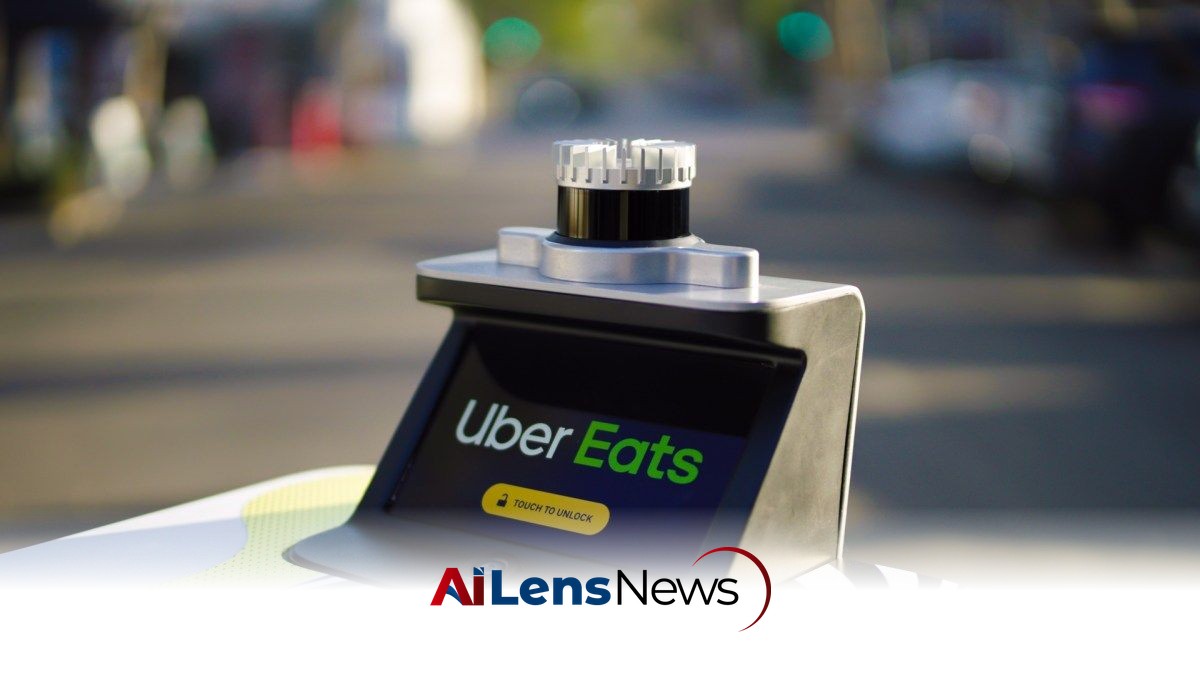


Uber has sold its entire stake in Serve Robotics, the autonomous delivery company it spun out over five years ago, signaling a shift in their business relationship.
Washington DC, United States Aug 12, 2026 ALN: Uber has sold off its entire stake in Serve Robotics, the autonomous delivery robot company that spun out of the ride-hailing company more than five years ago.
Uber made the disclosure in a regulatory filing that was first reported by Bloomberg. Uber’s exit from Serve Robotics has been brewing for at least a year, according to regulatory filings that show the company reduced its stake in 2025.
Still, the final selloff came as a surprise to Serve, which learned about it once it was officially disclosed, according to a source familiar with the events. Uber could not be immediately reached for comment.
The divestiture comes as the two once-tight companies have started to diverge on the business side.
Serve got its start as Postmates X, the robotics division of the on-demand delivery startup Postmates that Uber acquired in 2020 for $2.65 billion. A year later, the division spun out as an independent company called Serve Robotics, a name taken from the autonomous sidewalk delivery bot that was developed and piloted by Postmates X.
Uber not only backed Serve, it also struck a partnership with the sidewalk delivery robot firm in 2022. The companies expanded that partnership in May 2023 to deploy up to 2,000 of Serve’s sidewalk bots onto Uber’s app in multiple markets in the United States.
It seems that Uber started pulling back earlier this year, according to comments made earlier this week — and before Uber sold its shares — during Serve’s second-quarter earnings call.
“From the first quarter of 2022 through the first quarter of this year, delivery volume through Uber grew for 17 consecutive quarters. In Q2, that trend reversed for the first time. This was caused by lower-than-expected robot utilization,” Serve Robotics co-founder and CEO Ali Kashani said last week during the company’s second-quarter earnings call.
Kashani said on the August 6 call that the companies have “differing views” about the operating model to scale its shared autonomous fleet, including in areas such as fleet coordination or merchant integration. He noted that during the same time frame, Serve Robotics saw deliveries with another food delivery partner grow nearly 50% in a single quarter.
As a result, Serve didn’t expect that it would make sense to renew the partnership agreement with Uber when it expires in early 2027, Kashani said at the time.
Serve Robotics is one of more than 30 autonomous vehicle technology companies that Uber has either partnered with or invested in over the past several years.
The decision to divest from Serve Robotics is emblematic of broader trends in the technology and delivery sectors, where companies are increasingly focusing on their core competencies and reevaluating partnerships that may no longer align with their strategic goals. Uber, which has faced its own challenges in the competitive ride-hailing and food delivery markets, is likely seeking to streamline its operations and improve profitability. The ride-hailing giant has been under pressure from investors to demonstrate a clear path to sustainable growth and profitability, particularly as the market becomes more saturated and competitive.
Serve Robotics, on the other hand, has been working to establish itself as a leader in the autonomous delivery space. The company has focused on expanding its fleet of delivery robots and enhancing its technology to improve efficiency and service reliability. The divergence in business strategies between Uber and Serve reflects the complexities of scaling operations in the rapidly evolving landscape of autonomous delivery solutions.
Moreover, the autonomous delivery market is becoming increasingly crowded, with numerous startups and established players vying for market share. As companies like Serve Robotics continue to innovate and refine their offerings, they may find opportunities to partner with other firms that align more closely with their operational goals. This could lead to new collaborations that enhance service offerings and expand market reach.
The implications of Uber’s divestiture extend beyond the immediate financial aspects. For Serve Robotics, the divestiture could provide an opportunity to pivot and explore new partnerships and business models that better fit its vision for the future of autonomous delivery. With the growing interest in robotics and automation across various sectors, Serve may find new avenues for growth by aligning with companies that share its commitment to innovation and customer service.
Additionally, the separation signals a potential shift in the relationship dynamics within the tech ecosystem. As companies reassess their partnerships and alliances, it may lead to a more competitive environment where firms are more selective about their collaborations. This could result in a landscape where only the most synergistic partnerships thrive, ultimately benefiting consumers through improved services and offerings.
The regulatory landscape surrounding autonomous vehicles and delivery robots also plays a significant role in shaping the future of companies like Serve Robotics. As regulations evolve and municipalities adapt to the presence of delivery robots on public streets, Serve will need to navigate these challenges while scaling its operations. The company’s ability to advocate for favorable regulations and work collaboratively with local governments will be crucial for its long-term success.
In conclusion, Uber’s decision to divest from Serve Robotics marks a significant moment in the evolution of both companies. While it reflects a divergence in their business strategies, it also opens up new opportunities for Serve to redefine its path forward. As the market for autonomous delivery continues to grow, the ability to adapt and innovate will be key for all players involved, and this separation may ultimately lead to a more dynamic and competitive landscape in the years to come.
The implications of this divestiture extend to the broader industry as well. The landscape of delivery services is rapidly evolving, with consumer expectations shifting towards faster and more efficient service. As companies like Serve Robotics harness advancements in technology, including artificial intelligence and machine learning, they can enhance the capabilities of their delivery robots. This technological evolution will likely play a pivotal role in shaping consumer preferences and driving demand for autonomous delivery solutions.
Furthermore, the competitive landscape is not just about robotics but also about the integration of these technologies into existing delivery frameworks. For Serve Robotics, the next steps may involve exploring collaborations with grocery chains, e-commerce platforms, and local businesses to create a comprehensive delivery ecosystem that leverages its autonomous technology. By doing so, Serve could position itself as an integral part of the delivery supply chain, providing solutions that meet the needs of a diverse range of consumers and businesses.
Additionally, as the demand for sustainable delivery options grows, companies like Serve Robotics may find themselves at the forefront of a movement toward greener logistics solutions. The environmental impact of delivery operations is under increasing scrutiny, and businesses that can demonstrate a commitment to sustainability through the use of electric, autonomous delivery vehicles may gain a competitive edge in the marketplace.
In light of these developments, the future of Serve Robotics appears promising, albeit challenging. The company will need to navigate the complexities of scaling operations, securing new partnerships, and advocating for regulatory changes that support the growth of autonomous delivery. As the market matures, the ability to pivot and adapt will be crucial for success, and Serve's recent separation from Uber may ultimately serve as a catalyst for its evolution into a leading player in the autonomous delivery space.
To learn more about the latest developments in Financial Literacy, stay updated with our exclusive reports and analyses on AiLensNews.

