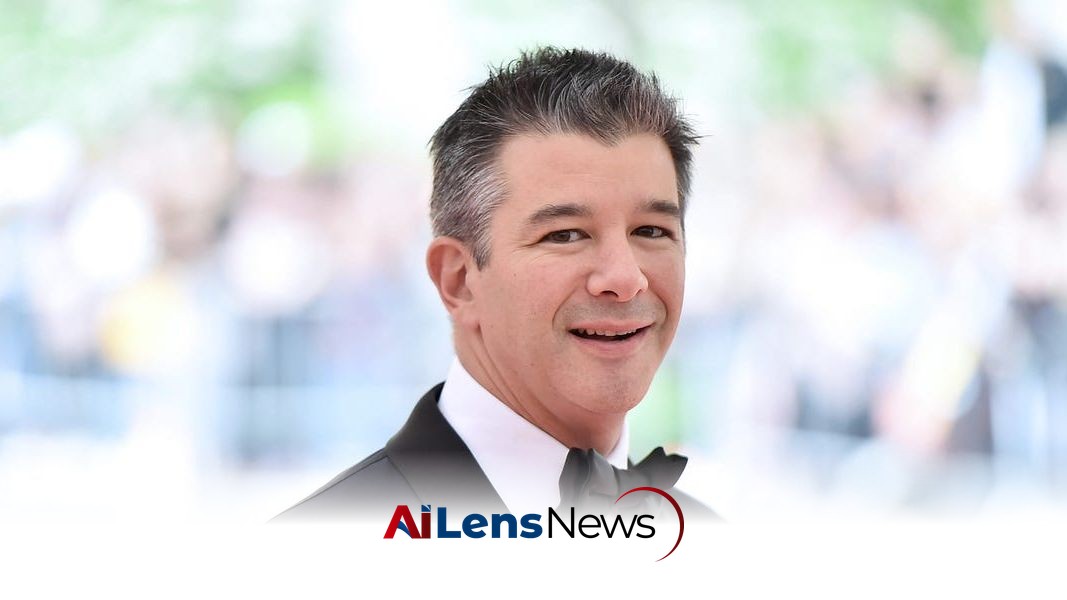


In a recent interview, former Uber CEO Travis Kalanick expressed no regrets about the failed acquisition of Lyft, citing cultural differences as a key factor.
Washington DC, United States Aug 17, 2026 ALN: In a recent interview with Andreessen Horowitz, former Uber CEO Travis Kalanick reflected on the missed opportunity to acquire Lyft, a rival ride-sharing company, stating he has no regrets about the decision. Kalanick emphasized that the cultural differences between the two companies were significant, which ultimately led to the collapse of acquisition talks in 2014. The conversation sheds light on the complexities of corporate acquisitions in the tech industry, particularly in the rapidly evolving landscape of ride-sharing.
"I wouldn't do anything different. And it's easy to say now, but I got a lot of criticism for that for a long time," Kalanick remarked. His comments highlight the intense scrutiny that leaders face when making high-stakes decisions that can shape the future of their companies. He pointed out that during negotiations, it became evident that Uber and Lyft had fundamentally different corporate cultures, which played a crucial role in the breakdown of discussions.
The acquisition discussions fell apart primarily over valuation disagreements; Kalanick was unwilling to pay more than $2 billion, while Lyft sought a higher valuation. This financial impasse is not uncommon in the tech industry, where valuations can fluctuate dramatically based on market conditions, investor sentiment, and competitive dynamics. The ride-sharing market was becoming increasingly competitive at the time, with both companies vying for market share and investment. Kalanick noted that the cultural mismatch was also a major issue, which began with Lyft's distinctive branding, particularly its iconic pink mustache.
Introduced in 2012, the plush pink mustache was designed to make Lyft vehicles easily recognizable and to promote a playful brand image that contrasted sharply with traditional taxis and Uber. This branding strategy was part of Lyft's broader effort to differentiate itself in a crowded marketplace. However, as Lyft aimed to attract business customers, the quirky branding became less suitable, leading the company to phase out the oversized mustache around 2014. This shift reflects the evolving nature of branding in the tech industry, where companies must continuously adapt to meet the expectations of their target audience.
Kalanick, who has since launched a robotics company named Atoms, expressed that he genuinely wanted the acquisition to succeed. "When you meet with somebody, and you're going to acquire them, there's so much goodness that could come from it," he said, adding that Uber was incurring substantial costs in its competition with Lyft. The competitive landscape of ride-sharing has only intensified since those early days, with new entrants and regulatory challenges emerging, making the potential benefits of such an acquisition even more appealing at the time.
Following a turbulent period, Kalanick resigned as Uber CEO in June 2017 after facing pressure from major investors. His departure marked a significant turning point for Uber, which had been embroiled in a series of controversies, including allegations of harassment, regulatory challenges, and fierce competition. Dara Khosrowshahi took over as CEO later that year, tasked with transforming Uber's corporate culture and preparing the company for an eventual public offering. Under Khosrowshahi's leadership, Uber has sought to improve its image and focus on long-term growth, navigating a complex regulatory environment and expanding its service offerings.
Despite the challenges, Kalanick remains steadfast in his decisions during his tenure at Uber, stating, "I'd stand by every decision I made at Uber." This sentiment reflects a common perspective among entrepreneurs and executives, who often face immense pressure and uncertainty in their roles. Recently, Kalanick rebranded an earlier venture as Atoms, focusing on industrial AI applications in food, mining, and transportation. Atoms secured a $1.7 billion funding round in July 2026, led by A16z, with participation from Bain Capital and Fifth Wall. This substantial investment underscores the continued interest in AI and robotics, particularly in industries that are ripe for disruption.
The discussion around the missed acquisition of Lyft serves as a case study in the tech industry, illustrating the importance of cultural alignment in mergers and acquisitions. As companies continue to pursue growth through strategic partnerships and acquisitions, understanding the nuances of corporate culture will be essential for success. Kalanick's reflections also highlight the dynamic nature of the tech landscape, where decisions made in the past can have lasting implications for the future. As Uber and Lyft continue to evolve, the lessons learned from their early interactions may inform future strategies in an industry that remains highly competitive and rapidly changing.
To learn more about the latest developments in Corporate & Industry Insights, stay updated with our exclusive reports and analyses on AiLensNews.

