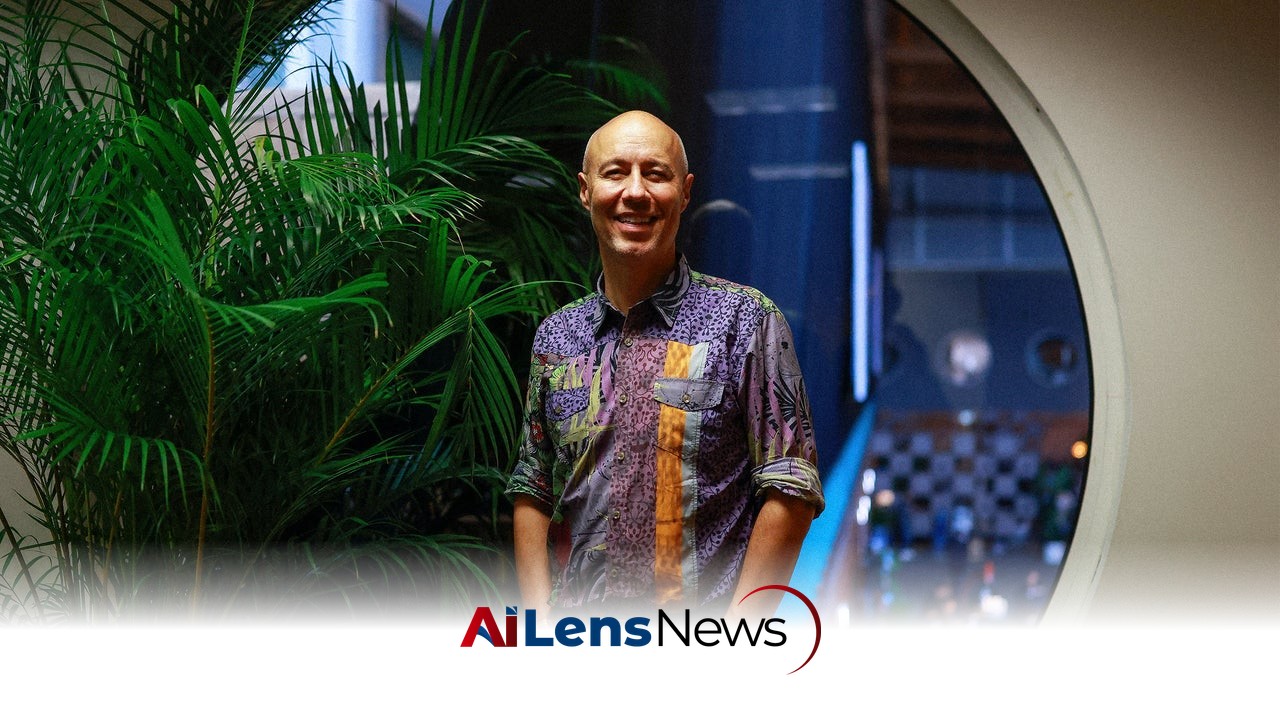


David Risher, Lyft's CEO, outlines the company's recovery from financial losses, focusing on customer satisfaction and strategic investments in AI and autonomous vehicles.
Washington DC, United States Jul 21, 2026 ALN: When David Risher was appointed as Lyft’s CEO in 2023, the company was at a critical juncture, grappling with significant financial losses and a declining market share. At that time, Lyft had conducted multiple rounds of layoffs as part of a broader strategy to stabilize its operations and cut costs. The company’s valuation had plummeted to $4.2 billion by mid-February, a stark contrast to its peak valuation of approximately $22 billion during its initial public offering (IPO) in 2019. This drastic decline highlighted the challenges Lyft faced in a competitive rideshare market dominated by its main rival, Uber.
In the years leading up to Risher's appointment, Lyft had struggled to maintain its foothold in the rideshare industry, which has been characterized by fierce competition, regulatory hurdles, and evolving consumer preferences. The COVID-19 pandemic further exacerbated these challenges, as lockdowns and social distancing measures led to a significant drop in rideshare demand. Consequently, Lyft's financial health deteriorated, prompting the company to reevaluate its business model and operational strategies.
Since Risher took the helm, Lyft's financials have shown signs of recovery. The company's first-quarter revenue for the year climbed 14% to $1.65 billion, and it reported a profit of $14.3 million. This marked a significant turnaround from the previous years of losses, indicating that Risher's leadership and strategic decisions were beginning to yield positive results.
In a recent interview with Wired, Risher elaborated on the company’s path to profitability and the steps taken to achieve this turnaround. “When I came in, we were losing share,” Risher said, reflecting on the challenges he faced. At that time, Lyft's market share was around 26 to 27%, which was a troubling sign for a company striving to compete against Uber, which dominated the market. Risher noted that Lyft was losing approximately $300 million a year, underscoring the urgency of the situation.
Risher, who previously held executive positions at Microsoft and Amazon, emphasized a philosophy of "customer obsession" as a guiding principle for his leadership at Lyft. This approach involved a thorough examination of the company's cost structure to enable price reductions for riders while simultaneously raising driver rates. Risher recognized that driver satisfaction was critical to the overall success of the platform; if drivers felt underpaid or undervalued, they were likely to provide subpar service or abandon the platform altogether.
In line with this strategy, Lyft announced in an April press release that it would cap its monthly fee cut to 30%, with the average fee being around 14%. Risher also addressed concerns regarding the commission structure for drivers, stating that Lyft would never take more than 30% after insurance costs are accounted for. However, he acknowledged that drivers still bear the burden of fluctuating gas prices, which can significantly impact their earnings.
Under Risher's leadership, Lyft has also expanded its service offerings beyond the United States, entering markets in Europe, Puerto Rico, and Canada. This geographical expansion is part of a broader strategy to diversify revenue streams and tap into new customer bases. Additionally, Lyft has been investing in artificial intelligence and autonomous vehicle technology through partnerships with industry leaders like Waymo and Nvidia. These investments are aimed at positioning Lyft as a forward-thinking player in the rapidly evolving transportation landscape.
“Today, we’re profitable,” Risher stated confidently, highlighting the improvements in driver satisfaction rates and an increase in rider engagement. He noted that Lyft's market share had risen to approximately 31 points, signaling a positive trend in the company's competitive standing. However, despite these encouraging developments, Lyft's stock remains below its historical all-time highs, a reality that Risher acknowledged during the interview.
“Our analysts and investors love the fact we’re growing quarter by quarter, but they also see uncertainty in the industry,” Risher remarked, pointing out the inherent volatility of the rideshare market. One significant source of uncertainty is the potential disruption caused by the advent of autonomous vehicles. Risher is optimistic about the role of self-driving technology in Lyft's future, predicting that it will fundamentally change the dynamics of ridesharing.
“In a decade, buying a car without self-driving technology will be like buying a car with manual transmission—you could do it, but you probably won’t,” he explained. Risher's vision suggests that as autonomous vehicles become more prevalent, the nature of ridesharing will evolve. Currently, to drive on the Lyft platform, drivers must invest both their time and their vehicle. However, in a future where self-driving cars are commonplace, drivers may only need to put their cars to use, while the vehicle itself handles the driving.
This shift could have profound implications for the rideshare industry. If autonomous vehicles become widely adopted, it could lead to a decrease in the number of human drivers needed on the platform, potentially altering the economic model of ridesharing companies. On the other hand, it could also create new opportunities for drivers to earn income from their vehicles even when they are not present, as the cars would be able to operate independently.
As Lyft continues to navigate these challenges and opportunities, Risher's leadership will be pivotal in shaping the company's future. By focusing on customer satisfaction, optimizing operational costs, and investing in innovative technologies, Risher aims to steer Lyft towards long-term sustainability and profitability. The road ahead may be fraught with challenges, but with a renewed focus on strategic growth and adaptation, Lyft is positioning itself to remain a key player in the evolving landscape of mobility and transportation.
To learn more about the latest developments in Corporate & Industry Insights, stay updated with our exclusive reports and analyses on AiLensNews.

