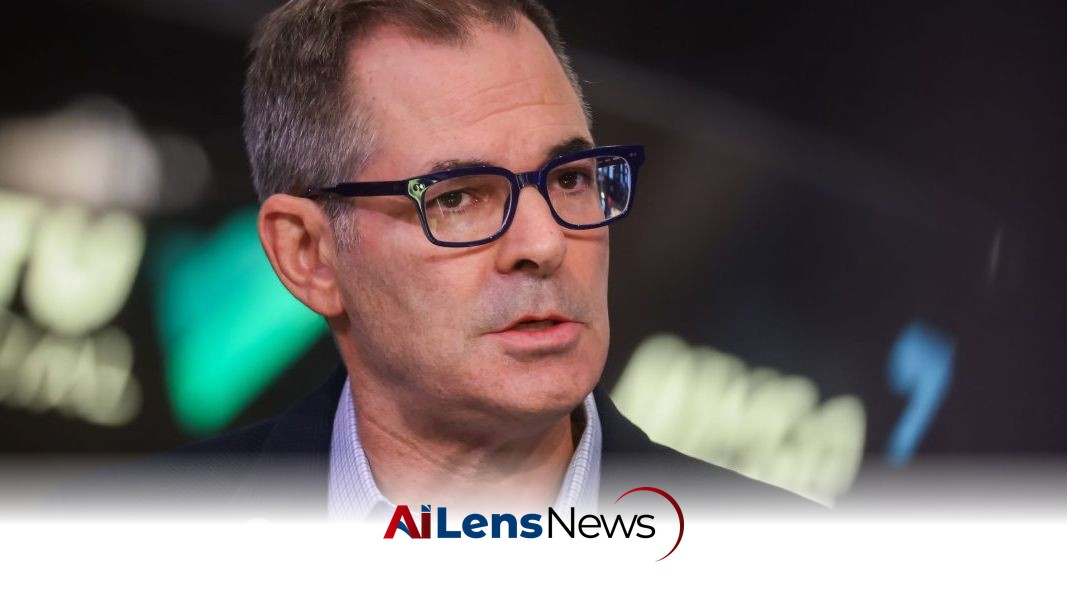


CoreWeave reports a remarkable revenue increase of over 100% in Q2, driven by high demand for AI services, while its backlog reaches $104 billion.
Washington DC, United States Aug 12, 2026 ALN: Neocloud provider CoreWeave has reported a remarkable surge in revenue, which more than doubled in the second quarter of the fiscal year, reaching a total of $2.58 billion. This impressive figure not only surpasses the company's previous performance but also exceeds analysts' expectations, driven primarily by a skyrocketing demand for its AI infrastructure services. The growth in revenue underscores the increasing reliance on advanced computing capabilities as businesses and organizations across various sectors seek to leverage artificial intelligence (AI) technologies.
CEO Michael Intrator highlighted the strong demand for CoreWeave's services during a call with analysts, stating, "Our near-term capacity remains effectively sold out." This assertion reflects the intense competition in the AI infrastructure market, as companies race to secure the necessary resources to support their AI initiatives. CoreWeave's ability to meet this demand is indicative of its strategic positioning within the burgeoning AI sector.
CoreWeave's revenue backlog, which represents the total value of deals that have yet to be billed, also saw a significant increase, rising 246% year-over-year to $104.2 billion in the second quarter. This figure is particularly noteworthy as it does not account for approximately $25 billion in net new customer commitments that were added in early Q3, suggesting that the company's growth trajectory is likely to continue in the near future. The backlog is a strong indicator of future revenue potential, as it reflects the ongoing demand for CoreWeave's services.
Following the announcement of these results, CoreWeave's stock experienced a notable increase, surging more than 14% in after-hours trading. This positive market reaction comes after a tumultuous year for the company's shares, which have fluctuated significantly as investors grappled with concerns surrounding the potential for an AI bubble and the substantial capital investments being made in AI infrastructure. The volatility in share prices illustrates the uncertainty that often accompanies emerging technologies and the companies that support them.
CoreWeave is classified among a group of companies known as neocloud providers, which focus on building and operating data centers specifically designed to run AI models. This positions CoreWeave in direct competition with established cloud computing giants, including Amazon Web Services, Microsoft Azure, and Google Cloud, all of which have significant market share and resources. The competitive landscape for AI infrastructure is becoming increasingly crowded, and CoreWeave's ability to differentiate itself will be crucial for its long-term success.
The discussions surrounding AI investment intensified shortly before CoreWeave's earnings report, particularly in light of chipmaker Nvidia's announcement of a substantial plan to mobilize $500 billion in financing for AI infrastructure. This initiative is being undertaken in partnership with major financial firms, including Apollo Global Management Inc., Blackstone Inc., BlackRock Inc., and Brookfield Asset Management. Nvidia, which holds approximately 13% of CoreWeave, is a key player in the AI space, and its strategies have significant implications for the broader market. Following the funding announcement, Nvidia's shares saw a modest increase of about 1%, reflecting investor optimism regarding the potential for growth in AI infrastructure.
During the earnings call, Intrator noted that the prices CoreWeave charges for access to Nvidia's cutting-edge Blackwell and Vera Rubin chips are "setting new highs." This pricing power is indicative of the strong demand for high-performance computing resources, particularly as AI applications become more sophisticated and require greater computational capabilities. Even older chip inventory is reportedly renting at prices not seen in years, highlighting the robust market dynamics at play.
Despite the impressive revenue figures, CoreWeave reported a net loss of $626 million in the second quarter, a significant increase from a net loss of $260 million during the same period the previous year. This loss was largely attributed to a $640 million net interest expense, which reflects the company's heavy investment in infrastructure and resources to support its growth. However, when excluding stock compensation costs and other items, CoreWeave reported an adjusted operating income of $128 million for the quarter, indicating that the core operations of the business are performing well.
Investor concerns have been raised regarding the lifespan of CoreWeave's older inventory, particularly the expensive Nvidia GPUs housed within its data centers. The company carries $46.7 billion in property and equipment on its balance sheet, primarily consisting of these GPUs. There is apprehension that as newer models are released, the value of older inventory may decline rapidly, impacting the company's financial health. It will be essential for CoreWeave to manage its inventory effectively and stay ahead of technological advancements to mitigate these risks.
In addressing these concerns, company executives pointed to the potential of AI "inference," which involves using CoreWeave's computing power to run AI models rather than solely focusing on training them. This approach allows the company to extract maximum value from its investments in AI chips and infrastructure. Intrator expressed confidence in the market's depth, stating, "We think that we have an embedded advantage because of our control over the silicon, and we think that we’re going to be very successful in that market over time." This perspective suggests that CoreWeave is well-positioned to capitalize on the growing demand for AI services.
Furthermore, Intrator addressed concerns regarding local opposition and moratoriums on data center construction, which have emerged as significant issues in many regions. Currently, 18 states have either imposed restrictions or are considering substantial limitations on data center building. While Intrator acknowledged that these regulatory challenges could influence the locations of future data centers, he emphasized that they would not diminish demand for CoreWeave's services. He advocated for collaboration with local communities and the provision of incentives, such as funding for grid upgrades, to alleviate costs for residents and ensure long-term job growth. CoreWeave has set an ambitious goal of achieving eight gigawatts of power by 2030, underscoring its commitment to expanding its infrastructure in response to market demand.
In summary, CoreWeave's recent financial performance highlights the growing demand for AI infrastructure services, positioning the company as a key player in the rapidly evolving tech landscape. While challenges related to inventory management and regulatory hurdles remain, CoreWeave's strategic focus on AI inference and collaboration with local communities may help it navigate these complexities. As the AI market continues to expand, CoreWeave's ability to adapt and innovate will be crucial for sustaining its growth and maintaining its competitive edge in the industry.
To learn more about the latest developments in Corporate & Industry Insights, stay updated with our exclusive reports and analyses on AiLensNews.

