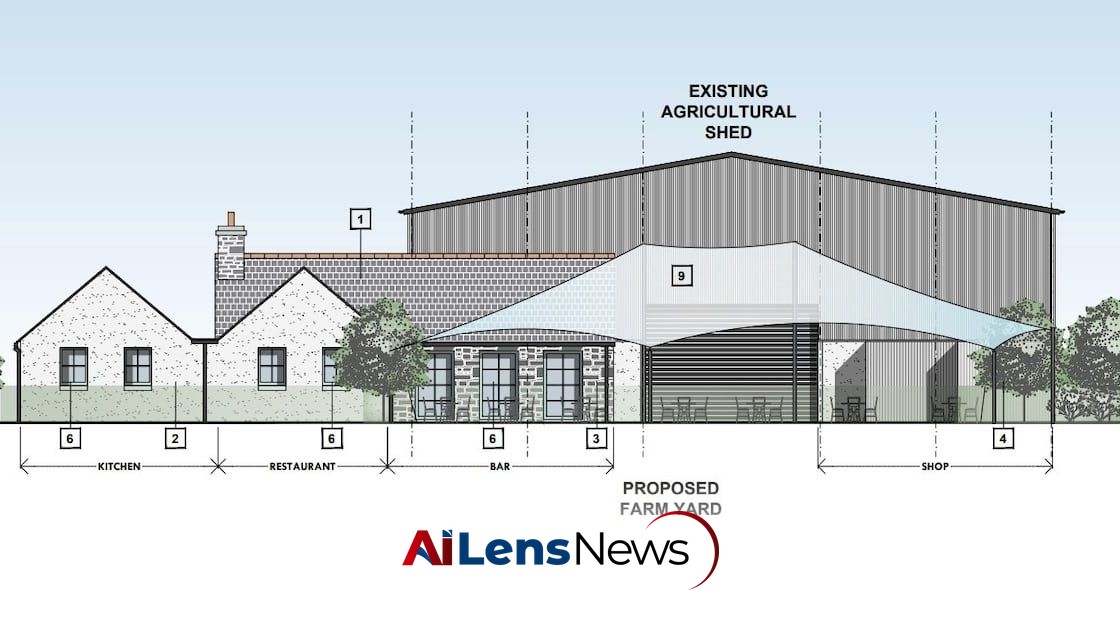


Gill Hall Farm seeks to diversify its operations with a new bar and restaurant, enhancing local agricultural offerings.
London, United Kingdom Jul 29, 2026 ALN: The agricultural landscape of Northern Ireland is undergoing a transformation as farms seek to diversify their operations in response to changing economic conditions and consumer preferences. One such example is Gill Hall Farm, located in County Down, which has filed plans to construct a bar and restaurant adjacent to its existing agricultural sheds. This initiative reflects a broader trend among farmers in the region who are increasingly looking to integrate hospitality and retail components into their operations, thereby creating new revenue streams while enhancing the visitor experience.
Historically, agriculture has been the backbone of Northern Ireland's economy, with a significant portion of the population engaged in farming activities. However, in recent years, the sector has faced numerous challenges, including fluctuating market prices, climate change, and evolving consumer demands. These pressures have prompted many farmers to rethink traditional farming practices and explore innovative ways to sustain their livelihoods. The diversification into hospitality, as seen with Gill Hall Farm, is one response to these challenges, allowing farms to attract visitors and create a more resilient business model.
The application submitted by Gill Hall Farm encompasses the construction of a farm shop, which will feature an associated café and bar. This establishment is planned to be situated on land near 103 Villa Wood Road in Dromore, a location that is likely to attract both locals and visitors seeking a unique dining experience in a rural setting. The design of the proposed facilities includes a seating arrangement that accommodates 48 patrons in the restaurant and 39 in the bar area, indicating a significant investment in the hospitality sector. This investment could not only boost the farm's revenue but also create job opportunities in the local community.
In addition to the internal seating, the plans also include external seating that will be covered by a tensile canopy. This feature not only enhances the aesthetics of the venue but also allows for outdoor dining, which has become increasingly popular, especially in light of recent trends towards al fresco dining experiences. The proposed design includes a fire pit as a central feature within the outdoor seating area, which could serve as a focal point for social gatherings and enhance the overall atmosphere of the venue. Outdoor dining options are particularly appealing in rural settings, where patrons can enjoy scenic views while dining, further enhancing their experience.
The project is designed to accommodate a variety of needs, with additional facilities planned, including showers, a kitchen, a delivery area, and bicycle parking spaces. The inclusion of showers may indicate an intention to cater to cyclists and hikers, aligning with the growing interest in outdoor activities in the region. This could position Gill Hall Farm as a stopover for those exploring the picturesque countryside of County Down, further integrating the farm into the local tourism infrastructure. The rise in outdoor tourism has been significant in recent years, with many people seeking recreational activities that allow them to connect with nature, making this development timely and relevant.
Landscaping is an important aspect of the planning application, with the proposal indicating that all existing trees and hedgerows will be retained. This commitment to preserving the natural environment is crucial, as it not only maintains the ecological balance but also enhances the aesthetic appeal of the farm. Furthermore, the plans include provisions for new native planting, which could contribute to local biodiversity and create a more inviting environment for visitors. Such environmental considerations are increasingly important in modern development projects, as communities and regulators alike prioritize sustainability and ecological responsibility.
The planning application has been lodged by Bell Rolston, a firm based in Newtownabbey, and is currently in the consultation stage, which is a critical phase in the planning process. During this stage, various stakeholders, including local residents, community groups, and statutory bodies, are given the opportunity to review the plans and provide feedback. This consultation process is essential for ensuring that the development aligns with community interests and regulatory requirements. Engaging with the community can help address concerns and foster support for the project, which is vital for its success.
As part of the consultation process, NI Water has reviewed the application and expressed no objections. However, they did note that the application did not specify a connection to the public wastewater system for disposal, indicating that the applicant intends to implement on-site wastewater treatment solutions. This aspect of the planning process is vital, as effective wastewater management is crucial for the sustainability of any hospitality venture, particularly in rural areas where infrastructure may be limited. Proper wastewater treatment is essential not only for compliance with environmental regulations but also for ensuring the health and safety of patrons.
In addition to NI Water's comments, potential flooding and drainage issues have been flagged by the Department for Infrastructure Rivers. This highlights the importance of addressing environmental concerns in the planning process, especially in light of increasing weather variability and the potential for extreme weather events. The NI Environment Agency Water has also issued a determination regarding the proposal, stating that the impacts on the surface water environment have been considered and that they are content with the proposal, provided it complies with certain conditions. This indicates a level of regulatory oversight that aims to protect local waterways and ecosystems while enabling development.
The planning process for such developments is multifaceted, involving various statutory bodies that assess different aspects of the proposal. As the planning application progresses, other statutory bodies will also be consulted. This multi-agency approach ensures that all relevant environmental, social, and economic factors are considered before a final decision is made. The outcome of this application could have significant implications for Gill Hall Farm, as well as for the local community and the broader agricultural sector in Northern Ireland.
The potential establishment of a bar and restaurant at Gill Hall Farm could serve as a model for other farms in the region looking to diversify their operations. By creating a space that attracts visitors and locals alike, the farm could enhance its economic viability and contribute to the local economy. Additionally, such developments can foster a greater appreciation for local agriculture and food production, as consumers are increasingly interested in sourcing their food from local farms. This aligns with a growing trend towards supporting local businesses and sustainable practices, which is becoming more prevalent among consumers.
Furthermore, the establishment of a hospitality venue on a working farm can create unique opportunities for educational experiences. Visitors may have the chance to learn about farming practices, local food sourcing, and sustainability, thereby deepening their connection to the land and the food they consume. This educational aspect can be particularly valuable in promoting awareness of agricultural issues and the importance of supporting local farmers.
Overall, the proposal for a bar and restaurant at Gill Hall Farm represents a significant step towards diversifying agricultural operations in County Down. As the planning process unfolds, it will be essential for the farm to engage with the community and address any concerns that may arise. If successful, this initiative could not only benefit Gill Hall Farm but also inspire other agricultural enterprises to explore similar avenues of diversification, ultimately enriching the local economy and community life. The potential ripple effects of this development could lead to increased tourism, job creation, and a revitalization of the local economy, making it a noteworthy case study for the future of agriculture in Northern Ireland.
To learn more about the latest developments in Corporate Expansion & Infrastructure Development, stay updated with our exclusive reports and analyses on AiLensNews.

