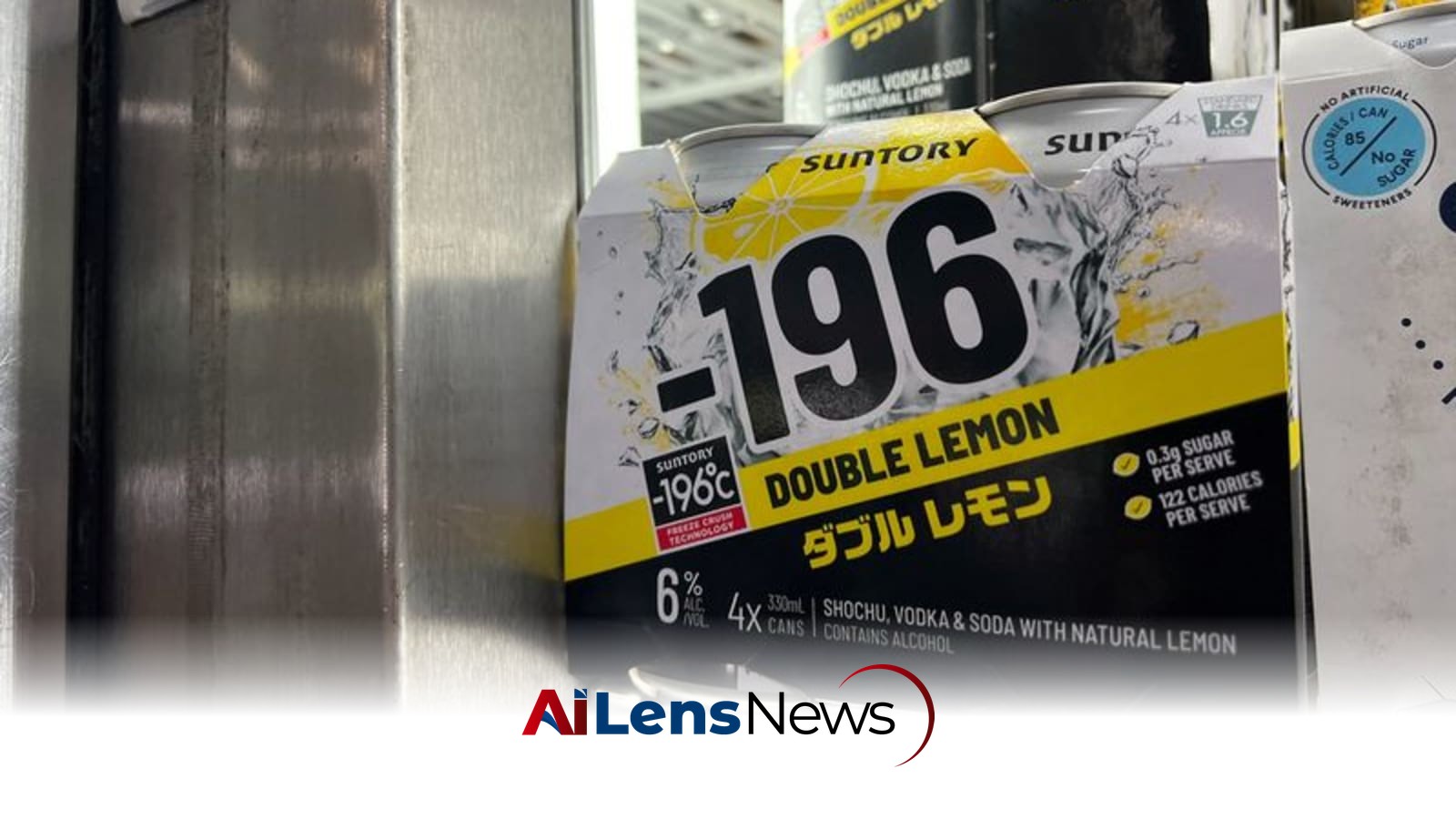


Suntory seeks to expand its canned cocktail line into the US, aiming to capture a market shifting away from traditional alcohol consumption among younger consumers.
Singapore, Singapore Sep 5, 2022 ALN: Japanese drinks giant Suntory last year debuted a strong, lemony brew in Australia that quickly became the top seller in the canned cocktail market there. This launch is part of a broader strategy by Suntory to expand its footprint in international markets, particularly in regions where consumer preferences are shifting towards ready-to-drink (RTD) options.
Now the company is aiming to replicate that success in North America, critical to its aim of becoming the global leader in the fastest-growing alcoholic drinks segment. The canned cocktail market has seen significant growth in recent years, fueled by changing consumer behaviors and preferences, particularly among younger demographics.
Expanding overseas is also a matter of survival for Japanese drinks companies facing an ageing market at home and a shift away from alcohol among younger people. In Japan, traditional alcoholic beverages such as sake and shochu have seen a decline in consumption as younger generations gravitate towards non-alcoholic options or lower-alcohol beverages. This trend has prompted companies like Suntory to look beyond their domestic market for growth opportunities.
"Australia is a very important test market for the global strategy," said Makoto Kitaura, a senior general manager at Suntory. "If we have a success in Australia, then other Western countries like the US, the UK may have an interest to try a new brand. And we can see huge growth potential with the US market." This statement reflects Suntory's strategic approach to using successful product launches in smaller markets as a springboard for entry into larger, more competitive ones.
The company tapped a localisation team to adapt its Japanese best seller Strong Zero for the Australian market: The lemony tang was tweaked, and the alcohol was dialled down from a hefty 9 percent to a more drinkable 6 percent. This adjustment was made to cater to local preferences and to ensure that the product would appeal to a broader audience that may be less accustomed to higher alcohol content beverages.
It also branded the canned cocktail -196 Double Lemon in Australia, highlighting the extreme cold that Suntory claims it uses to extract flavours from fresh fruit. The branding strategy plays into the growing consumer interest in artisanal and craft beverages, which often emphasize unique production methods and high-quality ingredients.
"It sold out almost immediately after launching," said Alana House, the editor of Sydney-based Drink Digest. The drink, priced at about A$4.50 (US$3.10) for an 11 oz can, had the advantage of being seen as a "cult" Japanese product, with a strong flavour profile and higher alcohol by volume (ABV) content, 6 percent versus 4.5 percent for a typical beer in the country, she added. This perception of exclusivity and quality has played a crucial role in its rapid success in the Australian market.
The global canned cocktail market, which Japanese beverage makers created some 40 years ago with drinks known locally as "chu-his", is now the fastest growing alcoholic drink segment, as pandemic restrictions prompted more people to imbibe at home and cut higher calorie drinks like beer. The pandemic fundamentally altered drinking habits, with many consumers opting for convenience and ease of consumption that canned cocktails provide.
The market, known in the industry as ready-to-drink (RTD), saw double-digit sales growth during the pandemic, and Suntory believes global canned cocktail sales will double again from 2020 levels to more than US$60 billion in 2030. This projection indicates not only the potential for growth within the sector but also highlights the competitive nature of the market as numerous brands vie for consumer attention.
The next and most important hurdle in Suntory's worldwide ambition is tackling the massive US market. The company already has a foothold following its 2014 takeover of Beam, maker of Jim Beam whiskey. This acquisition has positioned Suntory well within the spirits market, but the canned cocktail segment presents unique challenges. The company stood up a global canned cocktail division in March and its American-based team came to Tokyo in June to collaborate on strategy.
Hard seltzers dominate the US sector, with top brands White Claw and Truly drawing about US$10.8 billion in sales in the five years through 2021, market research provider Euromonitor International said. The overwhelming popularity of hard seltzers, which are often marketed as lower-calorie alternatives to traditional alcoholic beverages, presents both a challenge and an opportunity for Suntory as it seeks to carve out its niche in a crowded market.
Suntory has made small inroads into the US market via its Sauza cocktail collaboration with Boston Beer Co, which makes Truly. This partnership indicates Suntory's recognition of the importance of collaboration in navigating the complexities of the US beverage market. However, the company did not specify which canned cocktails from its expansive catalogue it hopes to bring to US shores. But Double Lemon would start at a disadvantage to entrenched competitor Mike's Hard Lemonade, which costs about US$2.50 for a 12 oz can. Mike's became a runaway hit after its debut 20 years ago, with marketing that some critics said appealed to young underage drinkers.
But logistics and taxes remain the bigger challenges. Suntory's historic strength is in spirits and US distribution networks for spirits are narrower than those for beer and other malt-based drinks. This difference in distribution channels could hinder Suntory's ability to effectively penetrate the market with its canned cocktails, which require different logistical considerations compared to traditional spirits.
Meanwhile, canned cocktails that use hard liquor like vodka or gin are taxed at about 45 cents a can, compared with about 8 cents for the seltzers that use malt liquor. Double Lemon, for example, uses shochu, a traditional Japanese liquor distilled usually from sweet potatoes. This disparity in taxation could impact pricing strategies and ultimately consumer demand for Suntory's products in the competitive US market.
Also complicating the strategy, the canned cocktail market is highly fragmented and finely tailored to local tastes, with differences in alcohol bases, flavours, and drinking habits. Yogurt-based drinks are popular in China, for example, while cider-like versions sell in South Africa. The US market has taken to light, berry-flavoured brews, indicating a preference for refreshing and fruity options that are often perceived as more approachable for casual drinking occasions.
"What works in one market may not always work in another," said Brandy Rand, an analyst at IWSR Drinks Market Analysis. "It's a much harder category to translate to across borders. It's not like selling a Chardonnay or a vodka, categories that are known internationally." This observation underscores the importance of market research and localization in Suntory's strategy as it seeks to introduce its products to diverse consumer bases.
To learn more about the latest developments in Corporate & Industry Insights, stay updated with our exclusive reports and analyses on AiLensNews.

