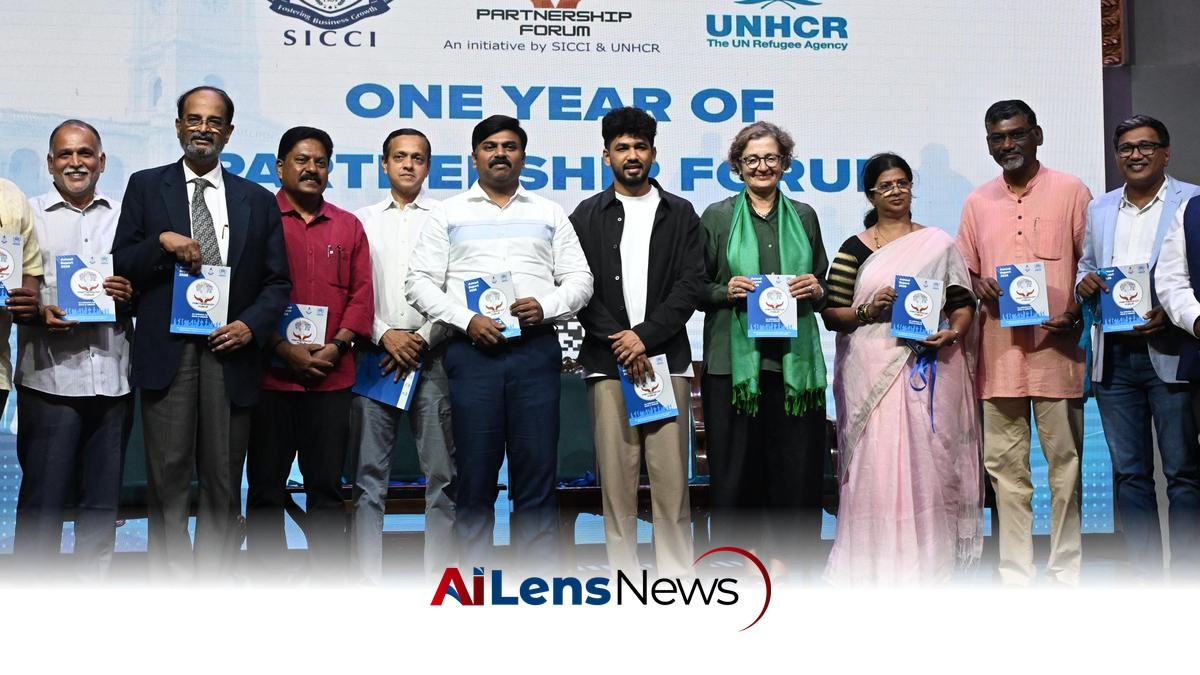


Speakers at the UNHCR World Refugee Day event in Chennai emphasize the urgent need for job access and inclusion for refugees.
New Delhi, India Jul 11, 2026 ALN: The United Nations High Commissioner for Refugees (UNHCR), in collaboration with the Southern India Chamber of Commerce and Industry (SICCI), observed World Refugee Day 2026 on Friday, highlighting the critical theme, ‘United for a Better Tomorrow: Partnerships for Solutions.’ This annual event serves as a platform to raise awareness about the plight of refugees and to foster discussions on how to improve their living conditions, integration, and access to opportunities in host countries.
World Refugee Day is observed globally on June 20 each year, established by the United Nations General Assembly in 2000 to honor the courage, strength, and determination of women, men, and children who are forced to flee their homes to escape conflict and persecution. This year's theme emphasizes the importance of collaborative efforts among governments, civil society, and private sectors to create sustainable solutions for refugees. The event in Southern India brought together various stakeholders, including government officials, NGO representatives, and community leaders, to discuss strategies for enhancing the livelihoods of refugees.
Satchithananda Valan Michael, head of the field office at UNHCR, delivered the welcome address, setting a hopeful tone for the discussions that followed. Areti Sianni, Chief of Mission for UNHCR India & Maldives, underscored the urgent need for solidarity and compassion towards refugee children, who are among the most vulnerable populations affected by displacement. “Through the commitment of the State government and many dedicated partners, significant progress has been made here towards refugees accessing skills, education, building community support networks, enabling them to shape their own future,” she stated, highlighting the collaborative efforts that have been made to address the needs of refugees in the region.
One of the most poignant moments of the event was when children residing in the Bhavanisagar, Pooluvapatti, and Puzhal camps shared their experiences of learning coding without computers through innovative workshops. These workshops, designed to impart essential digital skills, reflect a growing recognition of the need to equip refugees with relevant competencies that can facilitate their integration into the workforce. R. Sadheesh, Director of Rehabilitation & NRT Welfare, listened attentively to the concerns raised by the youth from the camps, acknowledging the challenges they face in accessing education and employment opportunities. “I will continue to work towards securing greater recognition and opportunities. There is still a long way to go, and we will strive to address these challenges,” he assured, emphasizing the importance of ongoing advocacy and support for refugee rights.
The release of the annual UNHCR - SICCI Partnership Report 2026 during the event provided a comprehensive overview of the progress made in various initiatives aimed at improving the lives of refugees. The report highlighted key achievements in areas such as education, vocational training, and community engagement. Notably, actor and composer Hiphop Tamizha Adhi spoke passionately about the need for public awareness regarding the issues faced by refugees in the State. “Residents from the camps who are well educated still don’t get the deserved employment opportunities because of the ‘refugee’ label. Through my organization, we also plan to conduct talent scout in the camps and connect them with opportunities in the media industry as well,” he added, illustrating the potential for creative industries to play a role in facilitating refugee integration.
G.S. Sameeran, Commissioner of the Greater Chennai Corporation (GCC), emphasized the importance of societal inclusion for refugees. He remarked, “Society must collectively realize the pain of refugees and make them feel included. It should not be a camp, it should be their home.” His comments reflect a broader understanding of the need for a paradigm shift in how refugees are perceived and treated within communities. He advocated for a long-term vision for refugees at the state, national, and global levels, recognizing that sustainable solutions require comprehensive policies that address the root causes of displacement and promote the rights and dignity of refugees.
The discussions during the event also touched upon the economic contributions that refugees can make to their host communities if given the opportunity. Research has shown that refugees often bring diverse skills and experiences that can benefit local economies. However, barriers such as legal restrictions, lack of recognition of qualifications, and social stigma often hinder their ability to find employment. The speakers at the event called for a concerted effort to dismantle these barriers, advocating for policies that facilitate access to the job market and promote the inclusion of refugees in various sectors.
As the global refugee crisis continues to escalate, with millions of individuals displaced due to conflict, persecution, and climate change, the need for effective partnerships and innovative solutions has never been more urgent. The collaboration between UNHCR and SICCI exemplifies how multi-stakeholder approaches can lead to meaningful change. By fostering dialogue and cooperation among different sectors, it is possible to create pathways for refugees to rebuild their lives and contribute to the communities that host them.
Looking ahead, it is crucial for governments, es, and civil society to work together to implement the recommendations outlined in the Partnership Report. This includes investing in education and vocational training programs tailored to the needs of refugees, creating inclusive labor market policies, and fostering a culture of acceptance and understanding within communities. Only through collective action can we hope to create a future where refugees are not merely surviving but thriving, contributing to the social and economic fabric of their host countries.
In conclusion, the observance of World Refugee Day serves as a reminder of the ongoing challenges faced by refugees and the importance of solidarity in addressing these issues. The call for greater access to jobs and inclusion, as articulated by the speakers at the event, resonates with the broader global agenda of ensuring that refugees are treated with dignity and respect, and that their potential is recognized and harnessed for the benefit of all.
To learn more about the latest developments in Corporate & Industry Insights, stay updated with our exclusive reports and analyses on AiLensNews.

