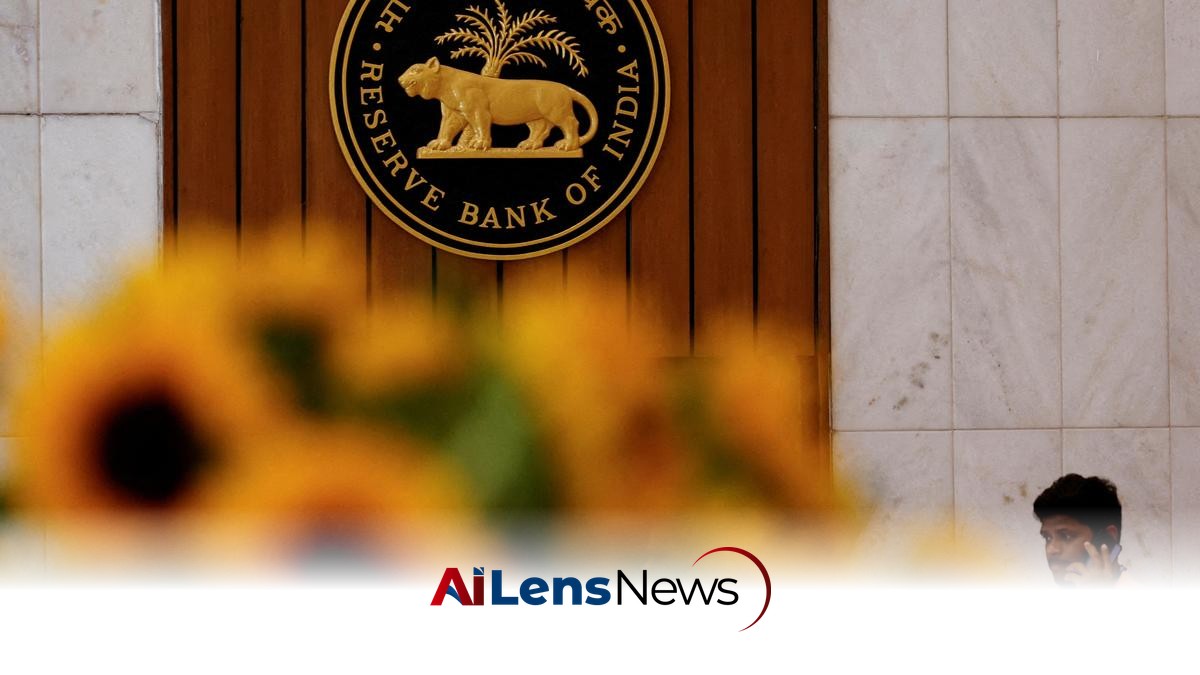


RBI launches three surveys to gather household insights on inflation and economic expectations for effective monetary policy formulation.
New Delhi, India Jul 10, 2026 ALN: The Reserve Bank of India (RBI) has initiated three significant surveys aimed at enhancing the formulation of monetary policy. Launched on July 9, 2026, these surveys are designed to gather critical insights from households regarding inflation expectations and overall economic sentiment. The RBI's move to engage directly with the public through these surveys reflects its commitment to incorporating grassroots perspectives into its monetary policy framework, which plays a crucial role in shaping the economic landscape of the country.
Inflation Expectations Survey of Households
The first survey, the 'Inflation Expectations Survey of Households', focuses on capturing subjective assessments of price movements based on individual consumption patterns. Conducted across 19 cities, this survey aims to provide qualitative responses regarding anticipated price changes over the next three months and one year. Additionally, it seeks quantitative data on current inflation rates and expectations for the near future. Understanding inflation expectations is vital for the RBI, as these perceptions can influence consumer behavior, spending patterns, and ultimately, economic growth.
Inflation expectations are a key factor in monetary policy because they can lead to a self-fulfilling prophecy. If consumers expect prices to rise, they may spend more now rather than later, which can actually drive prices up. Conversely, if they expect prices to fall, they might delay purchases, leading to decreased demand and potentially slowing economic growth. By gauging these expectations, the RBI can adjust its policy levers more effectively to stabilize the economy.
Inflation is a persistent concern for policymakers worldwide, and in India, it has been a critical issue, particularly in the context of rising food prices and global commodity fluctuations. The RBI's proactive approach in understanding household expectations is essential, especially as it relates to the central bank's dual mandate of ensuring price stability while fostering economic growth. The survey results will provide the RBI with a clearer picture of how households perceive inflation, which can inform decisions regarding interest rates and other monetary policy tools.
Rural Consumer Confidence Survey
In conjunction with the inflation survey, the RBI has also launched the 'Rural Consumer Confidence Survey'. This survey targets households in rural and semi-urban areas across 31 states and union territories. It aims to collect perceptions regarding the economic situation, employment prospects, and overall price levels, as well as expectations for income and spending over the coming year. The focus on rural areas is particularly significant, as a substantial portion of India's population resides in these regions, and their economic conditions can greatly influence national economic trends.
The rural economy is often characterized by distinct challenges compared to urban areas, including fluctuating agricultural output, varying access to markets, and differing employment opportunities. The impact of monsoons, crop prices, and government policies on agriculture can significantly affect rural consumer confidence. By understanding the sentiments of rural consumers, the RBI can tailor its policies to address specific needs, such as ensuring adequate credit availability for agricultural activities or implementing measures to stabilize prices of essential goods.
Furthermore, rural consumers often face unique challenges such as limited access to information and financial services. The RBI's engagement with these households through the survey is crucial for identifying barriers to economic participation and for developing targeted interventions that can enhance financial inclusion. By addressing the concerns of rural populations, the RBI can help foster a more balanced economic growth that benefits all segments of society.
Urban Consumer Confidence Survey
The third survey, the 'Urban Consumer Confidence Survey', will similarly gather qualitative insights from households in urban areas. Conducted in the same 19 cities as the inflation survey, it focuses on sentiments related to the economic environment, employment, price levels, and household income and expenditures. Urban consumers tend to have different economic concerns compared to their rural counterparts, often influenced by factors such as job security, housing prices, and access to services.
The urban economy is typically more integrated into global markets, making it susceptible to international economic trends. Economic shocks, such as changes in global oil prices or shifts in foreign investment, can have immediate impacts on urban consumers. Understanding urban consumer confidence is essential for the RBI, as fluctuations in this confidence can lead to changes in spending behavior, which in turn affects economic growth. For instance, a decline in consumer confidence may lead to reduced spending, negatively impacting es and potentially leading to job losses.
The urban survey will provide insights into how urban households are navigating the complexities of a post-pandemic economy, including their perceptions of employment stability, inflationary pressures, and overall economic health. These insights will be invaluable for the RBI as it considers how to support economic recovery and growth in urban areas, which are often seen as engines of economic development.
The results from these surveys are expected to provide valuable inputs for the RBI's monetary policy decisions. The next meeting of the Monetary Policy Committee, which sets interest rates, is scheduled for August 3 to 5, 2026. The outcomes of these surveys will likely influence discussions during this meeting, as policymakers consider how best to respond to evolving economic conditions.
By engaging with households through these surveys, the RBI aims to better understand the economic landscape and tailor its policies to address the concerns and expectations of the public. This approach aligns with global best practices in central banking, where understanding public sentiment is increasingly recognized as a critical component of effective monetary policy.
Moreover, the surveys come at a time when the Indian economy is navigating a complex array of challenges, including inflationary pressures, supply chain disruptions, and the lingering effects of the COVID-19 pandemic. By actively seeking input from consumers, the RBI is not only promoting transparency and accountability but also fostering a sense of inclusivity in economic policymaking.
The implications of these surveys extend beyond immediate monetary policy adjustments. They also signal a broader trend towards data-driven decision-making in central banking, where empirical evidence and public sentiment are increasingly integrated into policy frameworks. This shift could lead to more responsive and adaptive monetary policies that are better aligned with the realities faced by households across India.
In conclusion, the RBI's launch of these three surveys marks a proactive step towards enhancing its understanding of inflation expectations and consumer confidence. By capturing the voices of households from diverse backgrounds—rural and urban alike—the RBI is positioning itself to make more informed decisions that can help stabilize the economy and promote sustainable growth. As the results of these surveys are analyzed and integrated into the RBI's policy formulation process, they will likely play a crucial role in shaping the future trajectory of India's monetary policy and economic landscape.
As the RBI continues to evolve in its approach to monetary policy, the integration of public sentiment through these surveys could lead to more nuanced and effective strategies that not only aim for economic stability but also prioritize the welfare of all citizens. The feedback gathered from these surveys will help ensure that monetary policy is not only data-driven but also reflective of the lived experiences of the Indian populace, thereby fostering a more resilient and inclusive economy.
To learn more about the latest developments in Corporate & Industry Insights, stay updated with our exclusive reports and analyses on AiLensNews.

