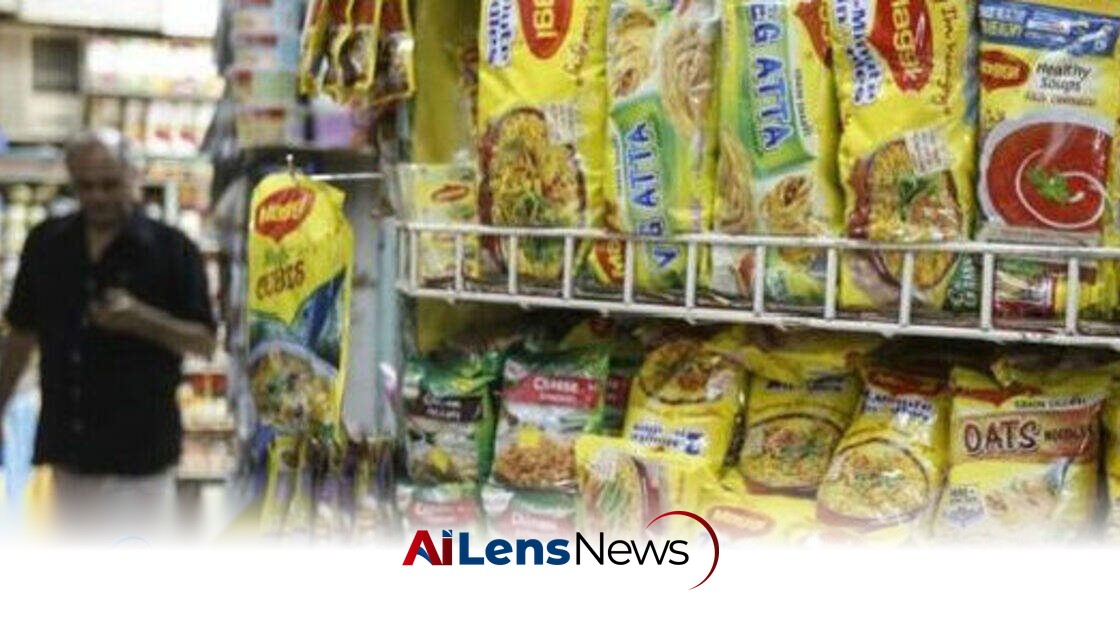


Nestle India is focusing on tier-2 and tier-3 markets for growth, anticipating rising consumption despite challenges like uneven demand and rising commodity costs.
New Delhi, India Jul 4, 2026 ALN: New Delhi: Food inflation has significantly influenced household choices, prompting families to reconsider pack sizes, buying frequency, and category priorities in FY26, according to Nestle India chairman and managing director Manish Tiwary. The manufacturer of Maggi noodles, KitKat chocolates, and Cerelac baby food is strategically targeting tier-2 and tier-3 markets, where consumption is increasing at a faster pace than in metropolitan areas.
During the company's 67th Annual General Meeting (AGM), Tiwary highlighted that despite facing uneven demand patterns and escalating commodity costs, the long-term potential of the Indian market remains robust. "There will be quarters that test and bets that don't pay off immediately, but that's the nature of building something that lasts," he stated. This sentiment reflects a broader understanding within the FMCG (Fast-Moving Consumer Goods) sector that while immediate challenges exist, the underlying demand for consumer products, especially in a rapidly developing economy like India, is likely to continue growing.
Nestle India is making deliberate investments in rural and semi-urban markets to drive future consumption. The company has invested nearly ₹2,000 crore in capital expenditure over the past two years, aiming to enhance penetration-led volume growth. This strategy aligns with the broader trend of urbanization in India, where smaller cities are experiencing demographic shifts and increased purchasing power. Tiwary noted that quick commerce is facilitating the reach of Nestle's premium products beyond metropolitan areas, allowing the company to tap into a consumer base that is becoming increasingly aspirational.
The focus on tier-2 and tier-3 cities is not merely a reactive strategy to current conditions but a proactive approach to capture long-term growth opportunities. As more consumers in these regions gain access to disposable income, their preferences are shifting towards branded and packaged goods, which presents a significant opportunity for Nestle. The expansion into these markets is also supported by improvements in infrastructure, such as better roads and logistics, which enable more efficient distribution of products.
For FY26, Nestle India reported domestic sales of ₹23,071.5 crore, reflecting a nearly 15% year-on-year increase. This growth was primarily driven by double-digit volume growth and market share gains. The company is navigating a challenging landscape marked by rising costs of fuel, oil, and food, as well as supply disruptions linked to geopolitical tensions. These factors have pressured profit margins across the FMCG sector, forcing companies to adapt quickly to changing market conditions.
The ability of Nestle to report such robust sales growth amidst these challenges is indicative of its strong brand equity and effective supply chain management. The company has been able to leverage its established distribution networks and brand loyalty to maintain consumer interest and sales momentum. Furthermore, the focus on product innovation and adapting to consumer preferences has enabled Nestle to introduce new products that resonate with the evolving tastes of Indian consumers.
Tiwary emphasized that India is now the world's largest market for Nestle's Maggi noodles and KitKat chocolates. This notable achievement underscores the brand's deep penetration and popularity within the Indian consumer market. The company plans to reinvest its savings into advertising and digital initiatives to deepen brand reach and support growth. Digital marketing strategies are increasingly becoming essential for FMCG brands, as they seek to engage consumers who are spending more time online and are influenced by digital content.
Despite inflationary pressures, the FMCG sector in India is expected to post healthy revenue growth in the first quarter of FY27, driven by premiumization and selective price hikes. Premiumization refers to the trend where consumers are willing to pay more for higher-quality products, a shift that is particularly evident in the food and beverage segments. Nestle's ability to offer premium products positions it well to benefit from this trend, as consumers in tier-2 and tier-3 markets become more discerning about the brands they choose.
The implications of Nestle's strategy extend beyond mere sales figures. By focusing on tier-2 and tier-3 markets, the company is contributing to the development of these regions, creating jobs in distribution, retail, and manufacturing. Additionally, by introducing new products tailored to local tastes and preferences, Nestle is fostering a sense of brand loyalty among consumers who may have previously favored local brands.
In conclusion, Nestle India's strategic focus on tier-2 and tier-3 markets, coupled with its commitment to innovation and investment, positions the company to capitalize on emerging consumption trends in a dynamic landscape. As the company continues to navigate the complexities of food inflation and changing consumer behavior, its proactive approach and strong market presence will be critical in sustaining growth and maintaining its leadership position in the Indian FMCG sector.
Food inflation has been a pressing concern globally, affecting purchasing power and consumer behavior. In India, this inflation has been particularly pronounced, driven by various factors including supply chain disruptions, rising fuel prices, and adverse weather conditions impacting agricultural output. As a result, many households are reevaluating their spending habits, leading to a shift in demand for different product categories. Consumers are increasingly opting for smaller pack sizes or purchasing products less frequently, which has implications for sales strategies across the FMCG sector.
The Indian market's rapid urbanization is reshaping consumption patterns, particularly in tier-2 and tier-3 cities where a growing middle class is emerging. These consumers are not only gaining disposable income but are also becoming more brand-conscious, seeking quality and value in the products they purchase. Nestle’s focus on these markets is a recognition of this shift, as the company aims to establish a strong foothold before competitors intensify their efforts in these areas.
Moreover, the investment of ₹2,000 crore in capital expenditure over the last two years is indicative of Nestle's long-term commitment to the Indian market. These funds are likely being allocated to enhance production capabilities, improve distribution networks, and invest in marketing initiatives that resonate with local consumers. The emphasis on quick commerce also highlights the changing retail landscape, where digital platforms and faster delivery options are becoming crucial for reaching consumers effectively.
As Nestle India continues to innovate and adapt its product offerings, the introduction of new items tailored to local tastes will be essential. This could include region-specific flavors or health-oriented products that cater to the growing awareness of nutrition among Indian consumers. By aligning its product development with local preferences, Nestle is not only enhancing its market relevance but also building stronger connections with consumers.
In terms of financial performance, the reported sales growth of nearly 15% year-on-year is a strong indicator of Nestle's resilience in a challenging environment. This growth is particularly impressive given the backdrop of rising commodity costs and supply chain disruptions. The FMCG sector often operates on thin margins, and companies must navigate these pressures carefully to maintain profitability. Nestle's ability to increase market share amidst these challenges suggests that its strategic initiatives are resonating well with consumers.
The outlook for the FMCG sector in India remains cautiously optimistic. As inflationary pressures persist, consumers may continue to prioritize value while also seeking premium products that offer better quality. Nestle's strategic positioning in this context is advantageous, as the company has a diverse portfolio that includes both mass-market and premium offerings. This diversity allows Nestle to cater to a wide range of consumer preferences, further solidifying its market leadership.
In summary, Nestle India's proactive strategy to target tier-2 and tier-3 markets amid food inflation is a multifaceted approach that not only addresses current market challenges but also positions the company for future growth. By leveraging its brand equity, investing in infrastructure, and focusing on product innovation, Nestle is well-equipped to navigate the evolving landscape of the Indian FMCG sector while contributing to the development of smaller cities.
To learn more about the latest developments in Corporate & Industry Insights, stay updated with our exclusive reports and analyses on AiLensNews.

