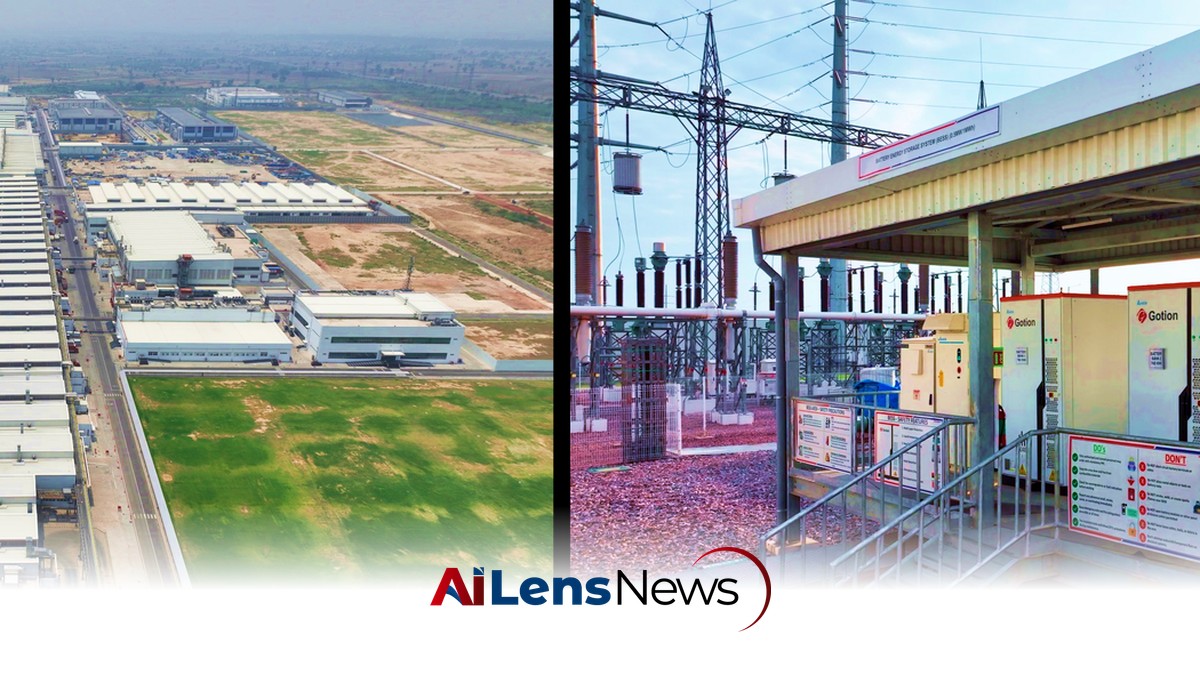


Maruti Suzuki commissions a 1 MWh Battery Energy Storage System in Kharkhoda to enhance sustainability and reduce CO₂ emissions.
New Delhi, India Jul 9, 2026 ALN: Maruti Suzuki India Ltd, a leading automobile manufacturer in India, has recently announced a significant step towards sustainability with the commissioning of a 1 MWh Battery Energy Storage System (BESS) at its Kharkhoda manufacturing facility. This initiative marks a crucial advancement in the company's efforts to optimize energy usage and reduce its carbon footprint in the automotive manufacturing sector.
The Kharkhoda facility, which is strategically located in the state of Haryana, has been a hub for Maruti Suzuki's production activities. In 2025, the company had already made strides in renewable energy by installing a 20 MWp solar power project at this site. This solar initiative was part of Maruti Suzuki's broader strategy to harness renewable energy sources and reduce dependency on fossil fuels. However, the solar power plant faced challenges during facility holidays, where the generated electricity could not be utilized due to a lack of demand. This situation highlighted the need for an efficient energy storage solution to maximize the benefits of renewable energy production.
The newly introduced Battery Energy Storage System (BESS) is designed to address this challenge by storing excess electricity generated during periods of low demand or facility holidays. By capturing and storing this surplus energy, the BESS enables the facility to utilize stored electricity when demand peaks or when production activities resume. This not only enhances operational efficiency but also contributes to a more sustainable energy management system within the manufacturing plant.
Moreover, the integration of BESS into the internal electricity distribution network of the Kharkhoda facility is expected to play a crucial role in improving grid stability. Energy storage systems are increasingly recognized for their ability to provide backup power, support grid reliability, and facilitate the integration of renewable energy sources into the energy mix. By stabilizing the energy supply, BESS can help mitigate the fluctuations often associated with renewable energy generation, such as solar and wind power.
Hisashi Takeuchi, the Managing Director and CEO of Maruti Suzuki India Ltd, emphasized the environmental benefits of the new BESS initiative. He stated that with a lifecycle of approximately 15 years, the system is projected to help reduce nearly 54 tonnes of CO₂ emissions annually. This reduction is a significant step towards achieving the company's sustainability goals and reflects a commitment to environmental stewardship in the automotive industry.
In addition to the direct emissions reduction, Takeuchi highlighted the company's broader commitment to sustainability. He noted that as production volumes are expected to increase in the coming years, Maruti Suzuki remains dedicated to lowering Scope 1 and Scope 2 emissions. Scope 1 emissions refer to direct emissions from owned or controlled sources, while Scope 2 emissions pertain to indirect emissions from the generation of purchased electricity, steam, heating, and cooling consumed by the company. The focus on both CO₂ intensity and absolute CO₂ emissions signifies a comprehensive approach to reducing the environmental impact of manufacturing operations.
Takeuchi further elaborated on Maruti Suzuki's alignment with the environmental vision of its parent company, Suzuki Motor Corporation. The parent company has set ambitious targets to reduce Scope 1 and Scope 2 CO₂ emissions by 42% by the fiscal year 2030-31 compared to the fiscal year 2022-23. This commitment underscores the importance of collaboration and consistency in sustainability efforts across the organization, reinforcing the idea that environmental responsibility is a shared priority.
The implementation of the BESS at the Kharkhoda facility is part of a larger trend within the automotive industry, where manufacturers are increasingly recognizing the importance of sustainable practices. As global awareness of climate change and environmental issues continues to grow, companies are under pressure to adopt greener technologies and reduce their carbon footprints. The automotive sector, in particular, faces scrutiny due to its significant contributions to greenhouse gas emissions.
In recent years, many automotive manufacturers have begun investing in renewable energy projects, electric vehicle technology, and energy-efficient manufacturing processes. The shift towards electric vehicles (EVs) is also a critical component of the industry's response to environmental concerns. As more consumers demand cleaner transportation options, automakers are racing to develop and produce electric vehicles that meet these expectations while also adhering to stricter emissions regulations.
Maruti Suzuki's efforts to integrate renewable energy solutions like the BESS not only align with global sustainability trends but also position the company as a leader in responsible manufacturing practices within the Indian automotive market. By investing in innovative technologies and committing to emissions reduction targets, Maruti Suzuki is setting a precedent for other manufacturers in the region.
As the automotive industry continues to evolve, the implications of initiatives like the BESS at Kharkhoda extend beyond environmental benefits. They also reflect a changing landscape in consumer preferences, regulatory pressures, and market dynamics. Companies that proactively embrace sustainability are likely to gain a competitive advantage, as consumers increasingly prioritize environmentally friendly products and practices.
In conclusion, the commissioning of the 1 MWh Battery Energy Storage System at Maruti Suzuki's Kharkhoda facility represents a significant milestone in the company's journey towards sustainability. By effectively managing energy resources and reducing emissions, Maruti Suzuki is not only contributing to a cleaner environment but also setting a standard for the future of automotive manufacturing in India and beyond. The ongoing commitment to sustainability will likely play a crucial role in shaping the company's operations and reputation in the years to come, as the industry navigates the challenges and opportunities presented by a rapidly changing world.
To learn more about the latest developments in Corporate & Industry Insights, stay updated with our exclusive reports and analyses on AiLensNews.

