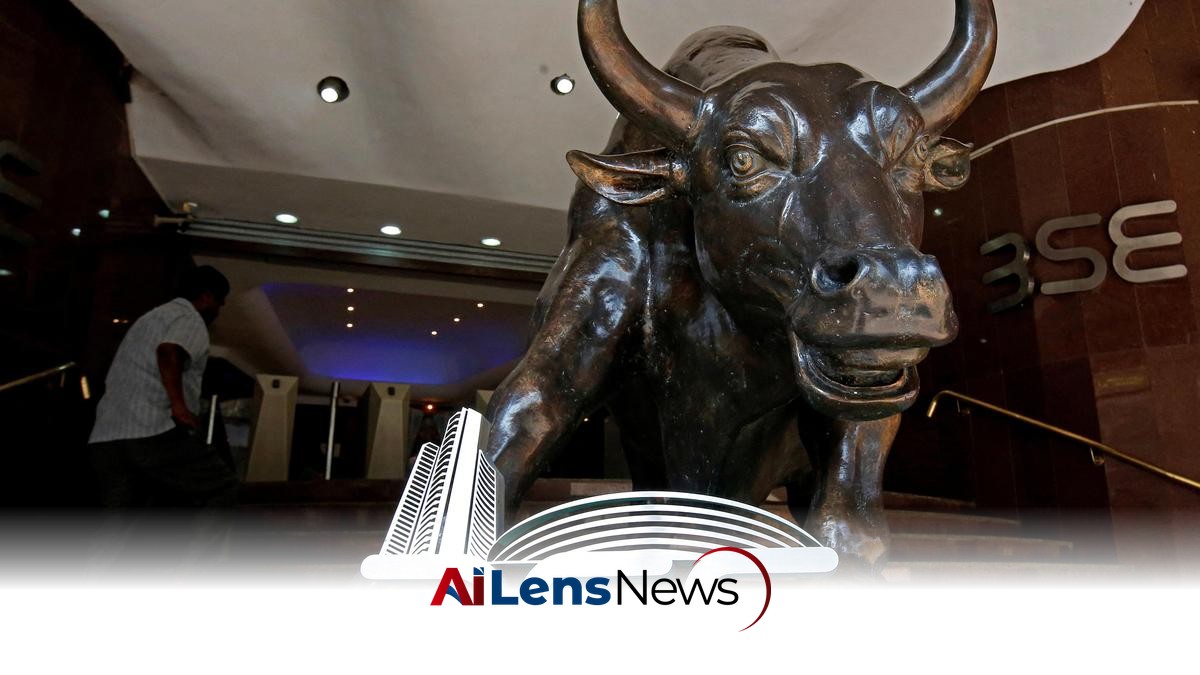


Benchmarks Nifty 50 and BSE Sensex improved 0.7% each, marking a positive trend for the fourth consecutive session on July 6.
New Delhi, India Jul 7, 2026 ALN: The Indian stock market has shown notable resilience in recent trading sessions, with the benchmark indices Nifty 50 and BSE Sensex recording positive gains for four consecutive days. As of July 6, both indices improved by 0.7%, closing at 78,285.07 points and 24,430.35 points respectively. This upward trend reflects a cautious optimism among investors, although it is essential to contextualize this performance within the broader market dynamics and historical trends.
The recent four-day rally marks the first time since mid-June that the indices have experienced a similar streak. Between June 12 and June 18, 2023, the markets enjoyed a five-day winning streak, characterized by more significant gains. During that period, the indices saw an initial surge of 2% on the first day, followed by nearly 1% on the subsequent day, indicating a more vigorous bullish sentiment among investors. The current rally, while positive, is relatively subdued, with each day’s gains capped at 0.7%. This suggests that while there is upward momentum, it may not be as robust or sustained as seen in previous instances.
Despite the overall positive movement in the indices, it is noteworthy that a significant portion of the stocks traded on the market did not follow suit. On the same day, approximately 1,700 out of 3,400 stocks experienced declines. This disparity highlights the underlying volatility and mixed sentiment in the market, where not all sectors or stocks are benefiting equally from the upward trend. The fact that most sectoral indices ended the day positively, with only four out of 21 indices declining, indicates that certain sectors are driving the market's performance, while others may be facing challenges.
Technical analysis from the Bajaj Broking Research team suggests that the index is trading comfortably above its previous week's high, as well as above the 20-day and 50-day exponential moving averages (EMAs). EMAs are significant indicators used by traders to gauge the price trend of stocks over specific periods. The sustained strength above these critical levels may provide a sense of security to investors, indicating that the market could continue to maintain its upward trajectory in the near term.
To better understand the implications of this market performance, it is essential to consider the broader economic environment. The Indian economy has been navigating through various challenges, including inflationary pressures, global economic uncertainties, and domestic policy changes. The resilience of the stock market amidst these challenges can be attributed to several factors, including strong corporate earnings, foreign institutional investment, and positive economic indicators. Investors often look for signs of economic stability and growth, which can influence their trading decisions and market sentiment.
In recent months, corporate earnings reports have generally exceeded expectations, providing a boost to investor confidence. Companies across various sectors have reported strong sales and profit growth, driven by robust consumer demand and effective cost management strategies. This positive earnings outlook has encouraged investors to remain optimistic about the market's future performance, even in the face of potential headwinds.
Foreign institutional investors (FIIs) have also played a crucial role in supporting the Indian stock market. Their inflow of capital into Indian equities has been a significant factor in driving market indices higher. The attractiveness of the Indian market, compared to other global markets, has led to increased interest from foreign investors, who are seeking opportunities for growth in emerging markets. This trend has been further bolstered by the Indian government's initiatives aimed at enhancing the ease of doing and attracting foreign investments.
However, it is important for investors to remain cautious and vigilant, as market conditions can change rapidly. Economic indicators such as inflation rates, interest rates, and geopolitical developments can significantly impact market sentiment and performance. For instance, any signs of rising inflation could lead to tighter monetary policy, which might dampen investor enthusiasm and lead to increased volatility in the markets.
Furthermore, the global economic landscape remains uncertain, with potential challenges arising from geopolitical tensions, trade disputes, and fluctuations in global commodity prices. These external factors can influence investor behavior and market dynamics, making it essential for market participants to stay informed and adaptable.
In conclusion, while the recent performance of the Nifty 50 and BSE Sensex reflects a positive trend, it is crucial to approach the market with a balanced perspective. The four-day rally, although a sign of strength, is accompanied by underlying volatility and mixed stock performances. Investors should consider both the opportunities and risks present in the current market environment, and remain attentive to economic indicators and global developments that could impact future market trends. As always, prudent investment strategies and thorough research will be key to navigating the complexities of the stock market.
Looking into the future, analysts predict that the Indian stock market's trajectory will largely depend on upcoming economic data releases, including inflation rates and GDP growth figures. These indicators will provide further insights into the health of the economy and may influence the Reserve Bank of India's monetary policy decisions. A stable economic environment is critical for maintaining investor confidence, and any unexpected changes in economic indicators could lead to fluctuations in market performance.
Moreover, the upcoming earnings season is expected to provide a clearer picture of corporate performance in the current economic climate. Investors will be closely monitoring the earnings reports of major companies, especially in sectors that have been significantly impacted by recent economic challenges. A strong earnings season could further bolster market sentiment, while disappointing results may lead to increased caution among investors.
Additionally, the geopolitical landscape continues to play a pivotal role in shaping market dynamics. Developments such as trade negotiations, international relations, and global economic policies can have far-reaching effects on investor sentiment and market performance. For instance, any escalation in trade tensions between major economies could lead to increased volatility in global markets, including India.
In summary, while the Indian stock market has shown resilience in the face of various challenges, it is essential for investors to remain vigilant and informed. The interplay of domestic economic indicators, corporate performance, and global developments will be crucial in determining the market's direction in the coming weeks and months. Investors are advised to adopt a diversified investment strategy and stay updated on market trends to navigate the complexities of the current economic landscape effectively.
To learn more about the latest developments in Markets, stay updated with our exclusive reports and analyses on AiLensNews.

