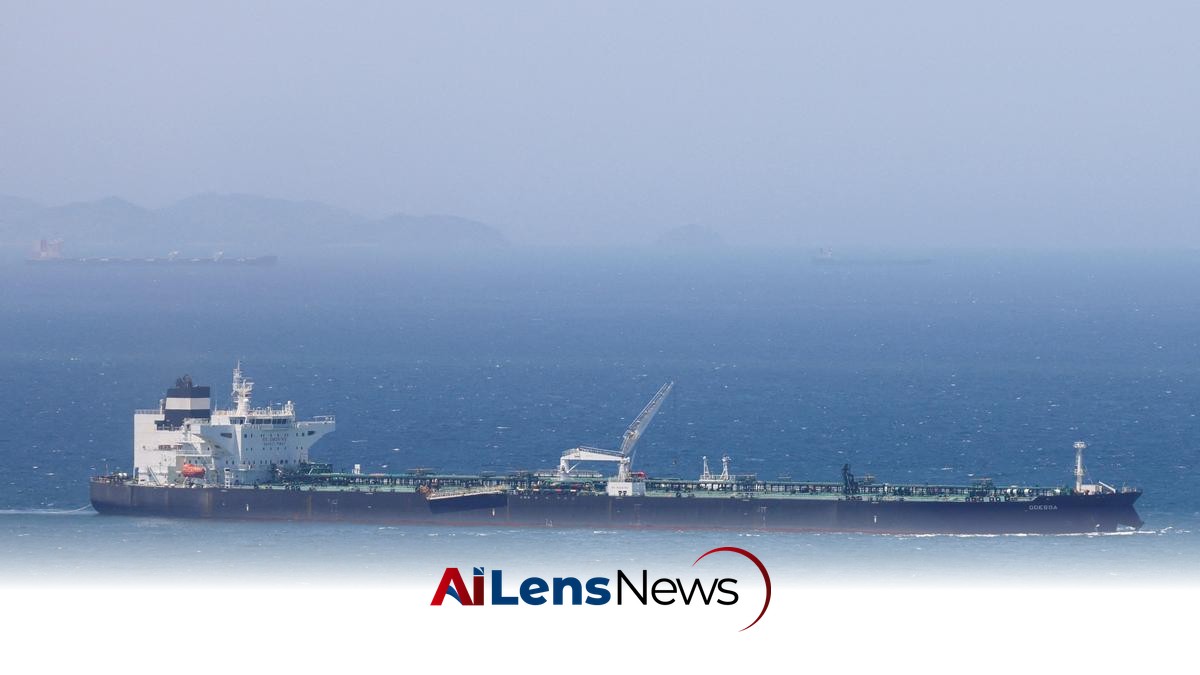


The attack on the Qatari LNG ship Al Rekayyat raises significant concerns for global shipping and energy security.
Doha, Qatar Jul 8, 2026 ALN: The attack on the Qatari LNG ship Al Rekayyat early on Tuesday (July 7, 2026) marks a significant escalation in the ongoing tensions within maritime shipping, particularly in the context of energy security and geopolitical dynamics in the region. The incident has implications not only for India, which is a key importer of Qatari liquefied natural gas (LNG), but also for global shipping routes that are vital for energy distribution.
In 2025, approximately 16% of Qatari LNG was delivered to India, underscoring the importance of this energy source for the country. As India continues to expand its energy portfolio to meet growing demand, the stability of LNG supply routes becomes increasingly critical. The Al Rekayyat, which had loaded its cargo in Ras Laffan, is scheduled to arrive in Dahej, Gujarat, on July 12, making the timing of this attack particularly concerning for Indian energy security.
The geopolitical landscape surrounding LNG transport has become increasingly fraught in recent years, particularly in the context of tensions between Iran and various regional and global powers. The attack on the Al Rekayyat is emblematic of these rising tensions, as it highlights the risks faced by vessels operating in critical maritime corridors. The Strait of Hormuz, for instance, is a pivotal chokepoint through which a significant portion of the world’s oil and gas supply transits. Any disruption in this area can have far-reaching consequences for global energy markets.
In recent months, LNG ships affiliated with Qatar and the UAE have been navigating the Oman route while turning off their transponders, a practice known in the shipping industry as dark transits. This tactic is employed to evade detection by Iranian forces and mitigate the risk of attacks, reflecting the heightened tensions in the region. The Al Rekayyat’s transponders have been inactive for several weeks, with its last known position recorded near the Indian coast approximately 20 days ago. This pattern of behavior illustrates the anxiety among shipping companies regarding the safety of their vessels in the region, as well as the lengths to which they are willing to go to avoid confrontation.
The geopolitical landscape has shifted in recent years, particularly following the signing of the U.S.-Iran Memorandum of Understanding, which aimed to ease tensions and facilitate safe passage for vessels. Prior to this agreement, many ships attempted to engage with Iran and evacuate vessels stranded along the Iranian coast in the Persian Gulf. However, as tensions have surged, some ships have increasingly opted for the Oman route, which has been perceived as a safer alternative despite Iranian warnings. This shift in routing reflects a broader trend where shipping companies are prioritizing the safety of their crews and vessels over the time and cost efficiency of traditional routes.
Data from Lloyd’s List indicates that ship transits through the Strait of Hormuz doubled in the week of June 22 to 28, reaching around 260 compared to the previous week. Of those, nearly half utilized non-Iranian routes, highlighting a trend among shipping companies to avoid potential confrontations with Iranian forces. However, between June 29 and July 2, transits decreased to 211, with only two LNG carriers making the crossing that week, down from thirteen the week prior. This decline is attributed to persistent public warnings from Iran against using the Oman route, which Iran has labeled as unauthorized and unsafe. This fluctuation in shipping traffic underscores the precarious nature of maritime operations in this strategically vital area.
According to reports from Reuters, the Al Rekayyat was struck by a drone on the port side, causing significant damage to the engine room. Fortunately, all crew members were evacuated and reported safe; however, they have indicated that the ship is at risk of explosion due to the nature of its cargo. Natural gas is classified as a high-risk cargo, and LNG ships have the potential to trigger catastrophic accidents, especially in critical chokepoints such as the Suez Canal, Malacca-Singapore Strait, or the Strait of Hormuz. Despite the inherent risks, the safety record of LNG ships has been exceptional over the years. While there have been a few leaks reported, none have resulted in significant accidents, largely due to the redundant safety systems onboard and the expertise of highly trained seafarers.
However, 2026 has seen a troubling trend, with two LNG ships coming under attack in conflict zones. Earlier this year, the Russia-flagged LNG carrier, Arctic Metagaz, was reportedly attacked by Ukrainian drones while in the Mediterranean. Despite sustaining a fire, the vessel did not sink and was towed to safety by Libyan authorities weeks later, showcasing the resilience of LNG carriers but also highlighting the vulnerabilities they face in volatile regions. Such incidents raise alarms across the shipping industry, prompting a reevaluation of risk assessments and operational protocols.
The implications of the Al Rekayyat attack extend beyond immediate safety concerns. It raises questions about the security of maritime trade routes that are essential for global energy supplies. As countries such as India rely increasingly on LNG imports to fuel their economies, the potential for disruptions in supply chains becomes a pressing issue. Furthermore, the incident signals a possible shift in tactics by regional actors, suggesting that maritime assets may become targets in broader geopolitical conflicts. This could lead to a reevaluation of maritime security strategies not only for shipping companies but also for governments reliant on stable energy supplies.
In response to the attack, it is likely that shipping companies will reassess their operational strategies in the region. This could lead to increased insurance premiums for vessels operating in high-risk areas, as well as a potential shift in routing patterns. If companies perceive the Oman route as too dangerous, they may opt for longer, more costly routes that could impact the overall economics of LNG trade. The increased costs could be passed on to consumers, further complicating the energy landscape in importing countries.
Moreover, the attack could provoke a military response or increased naval presence from affected states, particularly as nations seek to protect their maritime interests. The United States, which has historically maintained a strong naval presence in the Gulf region, may be called upon to enhance security measures to safeguard shipping lanes that are vital for global energy supply. This could further complicate an already tense geopolitical situation, with potential repercussions for international relations. Nations may find themselves drawn into conflicts not only over land but also over the essential sea routes that underpin their economies.
In summary, the attack on the Al Rekayyat serves as a stark reminder of the vulnerabilities inherent in global shipping, particularly in regions marked by geopolitical tensions. As the world continues to grapple with the implications of energy security, incidents like this underscore the necessity for enhanced protective measures and diplomatic efforts to ensure the safe passage of vessels carrying critical energy supplies. The evolving dynamics in maritime security will require close monitoring as nations navigate the complex interplay of trade, energy needs, and geopolitical stability. The global community must remain vigilant and proactive in addressing these challenges to maintain the flow of energy essential for economic stability and growth.
To learn more about the latest developments in Corporate & Industry Insights, stay updated with our exclusive reports and analyses on AiLensNews.

