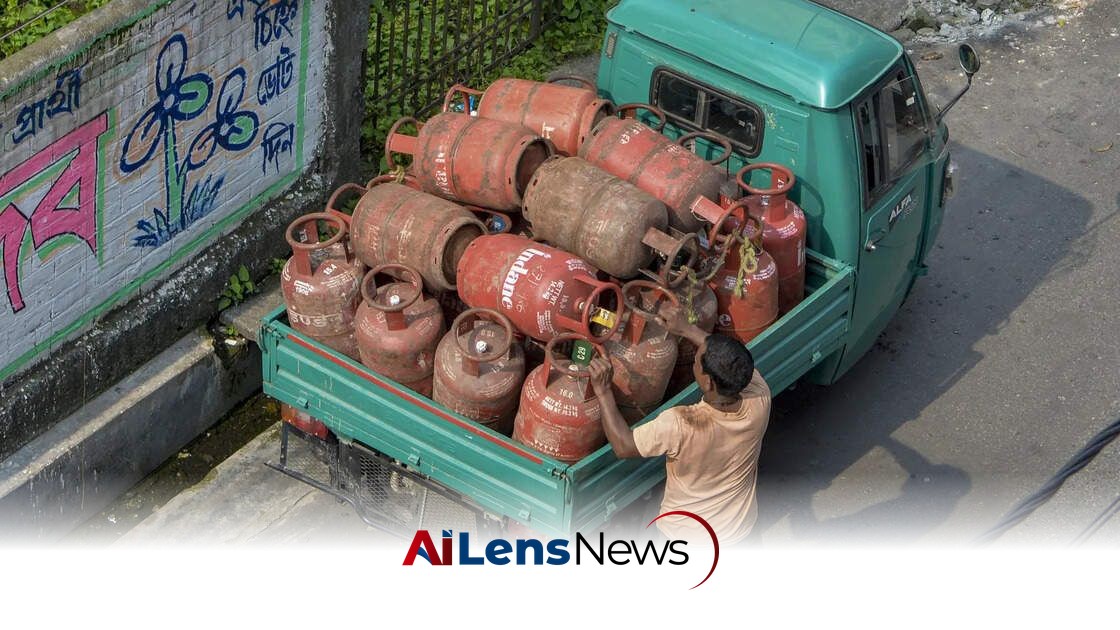


India's fuel retailers now have excess cooking gas supplies due to overbooking and increased domestic production, leading to storage issues and penalties.
New Delhi, India Jul 9, 2026 ALN: India's recent surge in liquefied petroleum gas (LPG) imports has resulted in an unexpected oversupply, creating a significant glut in the market. This situation arises from the country's aggressive procurement strategies implemented to mitigate the disruptions in cooking gas supplies that occurred in the wake of geopolitical tensions in the Persian Gulf. As a result of these efforts, state-run fuel retailers are now grappling with an excess of LPG that they are unable to sell.
The three major refiners operated by the Indian government, including the largest processor, Indian Oil Corporation (IOC), had previously arranged for an extensive import of LPG, with quantities reaching as high as 40,000 tons per day. However, the current daily import requirement has diminished to approximately 30,000 to 32,000 tons. This decline in demand can be attributed to several factors, including increased domestic production and a significant shift in consumer behavior.
Following the near-total closure of the Strait of Hormuz, a critical transit route for oil and gas shipments, India's state refiners ramped up their production capabilities to counteract the supply crisis. Their output surged more than two-thirds to reach around 54,000 tons per day. However, as the situation stabilized and the strait reopened to some extent, production was adjusted down to about 40,000 tons daily. This adjustment reflects a strategic response to the current market dynamics, where supply outstrips demand.
Moreover, the demand for LPG has been slow to recover, particularly among larger consumers such as restaurants and industrial sectors like ceramic-tile manufacturing. Many of these industries opted for alternative fuel sources, including piped gas, during the peak of the supply crisis. Data from the oil ministry indicates that LPG consumption in June was approximately 73,000 tons per day, a stark contrast to the average of 91,000 tons per day recorded in the fiscal year ending in March. This decline in consumption underscores the long-term impact of the crisis on consumer habits and fuel preferences.
During the height of the geopolitical tensions, refiners acted preemptively by securing more LPG than necessary, driven by fears that some cargoes might not arrive on schedule. This cautious approach was a response to the uncertainty surrounding supply chains at the time. However, following an interim peace agreement between the United States and Iran, some flows through the Strait of Hormuz resumed, allowing for the delivery of previously booked cargoes. Although disruptions have returned, they have not yet significantly affected Indian markets, allowing the glut to persist.
As a direct consequence of this oversupply, at least one state refiner faced penalties from shipowners due to delays in discharging LPG cargoes, which were held up because storage tanks were at capacity. This situation highlights the logistical challenges and financial repercussions that can arise from misaligned supply and demand in the energy sector.
The implications of this LPG surplus are multifaceted. For one, it could lead to price adjustments in the domestic market as refiners seek to offload excess inventory. A decrease in LPG prices might benefit consumers in the short term, potentially leading to increased usage among households and businesses that had previously switched to alternative fuels. However, sustained low prices could also impact the profitability of state-run refiners, which may lead to budgetary constraints and affect future investment in infrastructure and production capabilities.
Additionally, the oversupply situation raises questions about India's long-term energy strategy, particularly its reliance on imports for LPG. Historically, more than 90% of India's LPG imports have come from the Middle East, making the country vulnerable to geopolitical tensions that can disrupt supply chains. The recent crisis has highlighted the need for India to diversify its energy sources and enhance domestic production capabilities to reduce dependence on foreign imports.
In response to the acute shortages experienced during the crisis, the Indian government had activated emergency measures to expedite the deployment of natural gas pipelines and promote the use of cleaner fuels. This strategic pivot towards alternative energy sources aligns with global trends toward sustainability and reducing carbon emissions. However, the transition to cleaner fuels requires significant investment and infrastructure development, which may be challenging in the context of fluctuating demand and supply dynamics.
Furthermore, the Indian government has been exploring various avenues to enhance its energy security, including investments in renewable energy sources such as solar and wind power. These initiatives not only aim to reduce reliance on imported fossil fuels but also align with India's commitment to international climate agreements and sustainability goals. The government has set ambitious targets for increasing the share of renewables in its energy mix, which could mitigate some of the risks associated with LPG dependence.
Looking ahead, the Indian LPG market will need to navigate the complexities of supply chain management, consumer behavior, and regulatory frameworks to ensure a stable and sustainable energy future. Policymakers and industry stakeholders must work collaboratively to address these challenges and develop strategies that promote energy security while also considering environmental impacts. This may involve fostering innovation in energy technologies, enhancing logistical efficiencies, and creating favorable regulatory environments that encourage investment in infrastructure.
In summary, India's wartime buying spree has inadvertently resulted in a surplus of LPG, leading to a complex interplay of market forces that will require careful management. As the country continues to grapple with the implications of this oversupply, it must also remain vigilant in its efforts to secure energy independence and foster a transition towards more sustainable energy practices. The current situation serves as a critical reminder of the intricacies involved in energy procurement and the need for adaptive strategies in an ever-changing global landscape.
To learn more about the latest developments in Corporate & Industry Insights, stay updated with our exclusive reports and analyses on AiLensNews.

