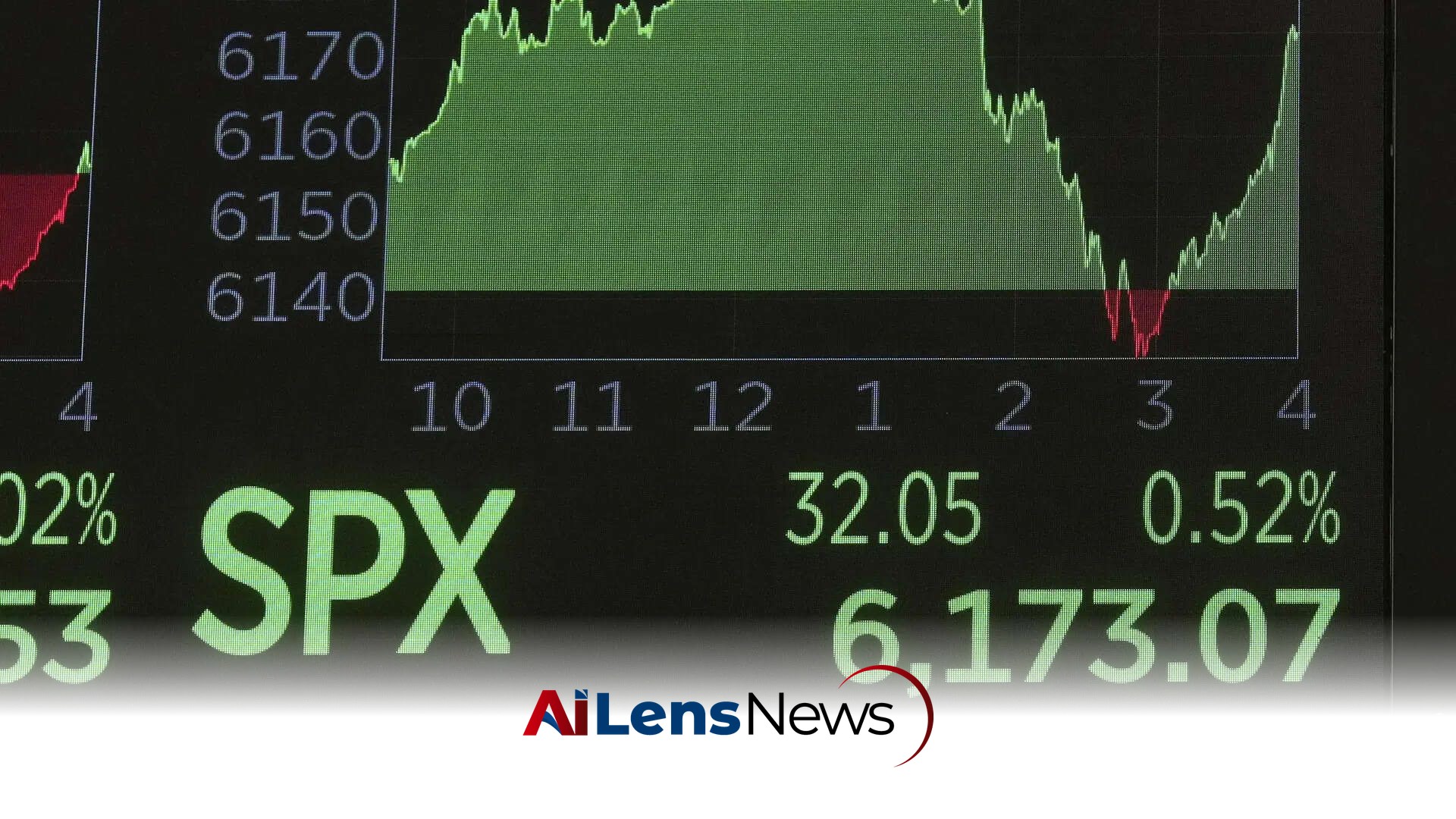


US stocks closed higher, driven by strong earnings from AI firms like CoreWeave and positive inflation data, which eased rate hike fears.
New Delhi, India Aug 13, 2026 ALN: The recent performance of U.S. stocks, particularly the S&P 500 and the Nasdaq, has been notably influenced by positive earnings reports from CoreWeave and various companies within the artificial intelligence (AI) infrastructure sector. These developments reflect a growing optimism surrounding AI technologies and their potential to drive growth. The S&P 500 and Nasdaq both ended the trading day on Wednesday with gains, indicating a favorable market sentiment that has been bolstered by these earnings results.
CoreWeave, an AI cloud computing company, reported quarterly results that exceeded analysts' expectations, which contributed significantly to its stock surge. The company also raised its forecast for annual capital spending, signaling confidence in its growth trajectory and the increasing demand for AI-related services. This optimism was mirrored across the tech sector, particularly among data center operators, which are critical to supporting the infrastructure needed for AI technologies. Companies such as IREN and Applied Digital saw their stock prices rise, reflecting investor confidence in the continued growth of the tech sector.
Moreover, Nebius Group, another data center operator, experienced a notable increase in its stock price after delivering second-quarter results that surpassed market expectations. Similarly, Super Micro Computer, a manufacturer of AI servers, forecasted fiscal 2027 revenue that exceeded Wall Street predictions, further fueling investor enthusiasm in the sector. These trends highlight a broader shift in the market, where investors are increasingly looking towards AI and related technologies as key drivers of future growth.
In addition to the performance of individual companies, the overall market was supported by recent inflation data, which indicated that U.S. consumer prices had barely increased in July. This was primarily attributed to a decline in gasoline prices for the second consecutive month. The benign inflationary environment has led to reduced expectations for an interest rate hike from the Federal Reserve in the near term. The Federal Reserve's decisions on interest rates are pivotal in shaping conditions, and the current data suggests that the central bank may choose to hold rates steady in September.
Robert Pavlik, a senior portfolio manager at Dakota Wealth, commented on the market's reaction to the recent earnings reports and inflation data. He noted that the numbers came in as expected, leading to a slight positive reaction from the market. The apprehension that the earnings reports might underperform was alleviated, allowing investors to focus on the implications of stable interest rates. This sentiment is crucial as it indicates that investors are not anticipating aggressive monetary tightening from the Federal Reserve, which could have dampened market enthusiasm.
Preliminary data indicated that the S&P 500 gained 20.38 points, or 0.26%, closing at 7,748.58 points, while the Nasdaq Composite rose by 145.70 points, or 0.55%, to reach 26,588.49. In contrast, the Dow Jones Industrial Average experienced a slight decline, falling 30.28 points, or 0.06%, to settle at 53,761.57. This divergence in performance among the major indices underscores the varying levels of investor confidence across different sectors of the market.
Market analysts have begun to assess the implications of the Federal Reserve's potential decisions regarding interest rates. Currently, traders are pricing in a 62% probability that the Fed will maintain its current rates during its September meeting, as indicated by CME's FedWatch Tool. Prior to the release of the July inflation data, market expectations were more evenly split between the possibility of a rate hike and maintaining the status quo. This shift in sentiment highlights how sensitive the market is to indicators, particularly those related to inflation and consumer spending.
While the stock market has shown resilience, external factors continue to pose challenges. The geopolitical landscape remains complex, particularly with ongoing tensions between the U.S. and Iran. A senior Iranian source recently indicated that discussions aimed at reviving an interim deal reached in June have stalled, contributing to an atmosphere of uncertainty. Additionally, incidents involving shipping attacks in the region have added to the volatility, raising concerns about the potential impact on global trade and stability.
In the consumer sector, Cava Group, a restaurant chain, reported second-quarter sales and core profit that exceeded Wall Street expectations, resulting in an uptick in its stock price. This development reflects a broader trend of consumer spending recovering as the economy continues to rebound from the disruptions caused by the pandemic. Meanwhile, Lumentum Holdings, a manufacturer of photonic products, saw its stock surge after forecasting first-quarter revenue above analysts' expectations and beating fourth-quarter estimates. Such performances are indicative of a robust recovery in various sectors, driven by consumer demand and technological advancements.
In conclusion, the recent rise in U.S. stocks, particularly in the tech sector, underscores a growing optimism about the future of AI and its role in the economy. Positive earnings reports from key players in the AI infrastructure space, combined with stable inflation data, have contributed to a favorable market environment. However, investors remain vigilant about external factors, including geopolitical tensions and potential shifts in Federal Reserve monetary policy, as these could influence market dynamics in the coming months. As the economy continues to navigate through these challenges, the performance of stocks will likely be closely tied to both domestic and international developments.
The backdrop of this market optimism is rooted in the rapid technological advancements that have characterized the AI sector in recent years. Companies are increasingly leveraging AI to enhance efficiency, reduce costs, and create innovative products and services. This trend has not only transformed the tech industry but has also permeated various sectors, including healthcare, finance, and manufacturing. As AI technologies become more integrated into business operations, the demand for robust computing infrastructure, such as data centers and cloud services, is expected to grow significantly.
Furthermore, the increasing investment in AI technologies is indicative of a broader trend where companies are prioritizing digital transformation. This shift is further accelerated by the COVID-19 pandemic, which has prompted businesses to adopt digital solutions to adapt to changing consumer behaviors and market conditions. As organizations seek to remain competitive, the role of AI in driving operational efficiencies and enhancing customer experiences is becoming increasingly critical.
In this context, the performance of companies like CoreWeave and others in the AI infrastructure space is particularly noteworthy. Their ability to deliver strong earnings results amidst a challenging landscape speaks to the resilience of the tech sector and its potential to lead the recovery. As investor sentiment continues to favor technology stocks, the implications for market dynamics could be profound, potentially leading to a sustained period of growth in the sector.
However, it is essential to consider the potential risks associated with such rapid growth. As the market becomes increasingly reliant on technology, any disruptions—be it from regulatory changes, cybersecurity threats, or downturns—could have significant repercussions. Investors will need to remain vigilant and adaptable as they navigate this evolving landscape, balancing the opportunities presented by AI advancements with the inherent risks that accompany such a dynamic environment.
In summary, the recent rise in U.S. stocks, particularly driven by the AI sector, reflects a growing confidence in the future of technology and its implications. The interplay between positive earnings reports, stable inflation, and external factors will continue to shape market sentiment. As the economy evolves, the performance of stocks will likely reflect broader trends in consumer behavior, technological advancements, and geopolitical developments, making it a critical area for investors to watch in the coming months.
To learn more about the latest developments in Markets, stay updated with our exclusive reports and analyses on AiLensNews.

