

More
Checking your session
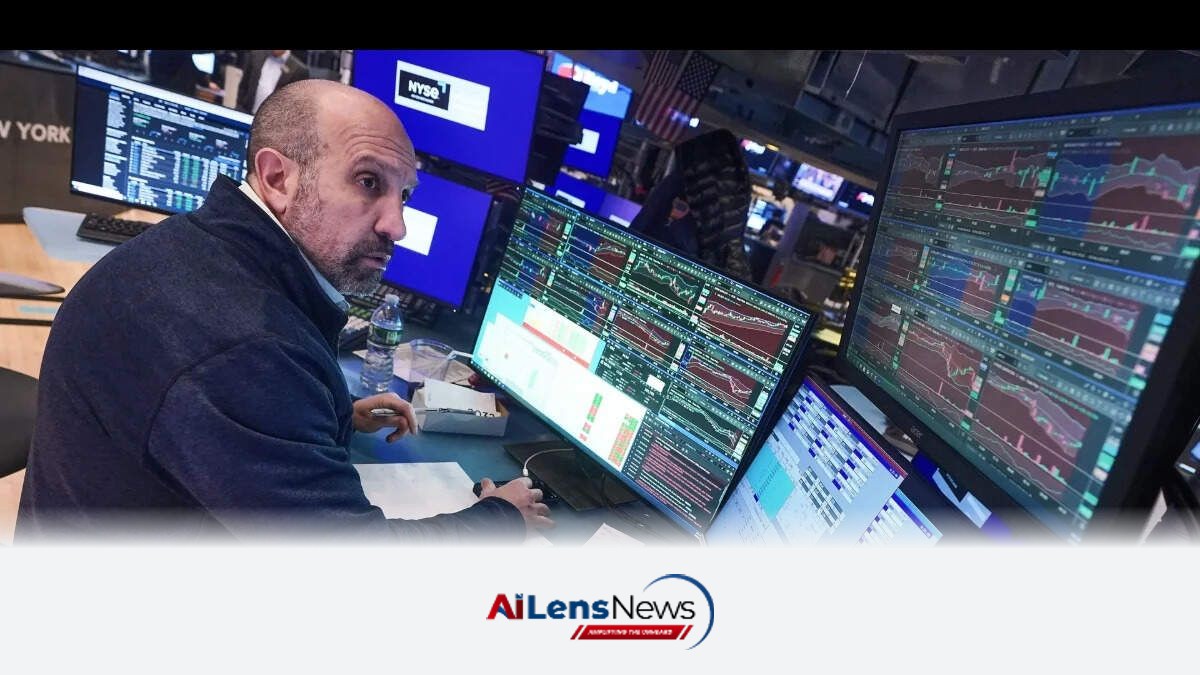



US stocks closed higher, driven by a rebound in technology shares and anticipation of Nvidia's earnings report. Lower oil prices and Treasury yields provided relief amid mixed signals.
New Delhi, India Aug 26, 2026 ALN: Wall Street regained some ground on Tuesday as technology stocks bounced back from their recent selloff, giving investors a brief reprieve before Nvidia's closely watched earnings report. The S&P 500 gained 22.58 points, or 0.30%, to end at 7,675.54 points, while the Nasdaq Composite gained 171.11 points, or 0.66%, to 26,151.30. The Dow Jones Industrial Average rose 160.01 points, or 0.30%, to 53,577.17.
The Nasdaq led the gains as chip stocks recovered. Nvidia, Meta, and Micron advanced, while the broader semiconductor index also rebounded after falling sharply in the previous session. AMD gained after Raymond James upgraded the stock. The recovery in tech stocks is particularly noteworthy given the high volatility that has characterized the sector in recent months. Investors have been grappling with concerns about overvaluation and the sustainability of growth rates in the face of rising interest rates and geopolitical tensions.
The recovery came alongside a decline in oil prices and longer-dated Treasury yields, easing some of the pressure that had recently weighed on equities. Oil fell to a one-week low as traders assessed the latest US pressure on Iran, while investors continued to digest Treasury Secretary Scott Bessent's plans to expand government bond buybacks. The dynamics in the oil market have been particularly influenced by ongoing geopolitical developments, including tensions in the Middle East and supply chain disruptions that have followed the pandemic.
The S&P 500's performance is often seen as a barometer of the overall health of the U.S. economy, and its recent gains reflect a cautious optimism among investors. However, the index's movements are influenced by various factors, including corporate earnings, data, and geopolitical events. Analysts have noted that while the technology sector has been a significant driver of market gains, there is a growing concern about its ability to maintain momentum in light of rising costs and potential regulatory scrutiny.
The combination of easing oil prices and declining Treasury yields provided some breathing room for equities, but investors remain caught between several competing forces. Joe Quinlan, head of market strategy at Merrill and Bank of America Private Bank, commented, "There’s a lot of push and pull, in the bond market, geopolitics, oil." He expressed a constructive outlook on the U.S. economy over the next 12 to 18 months, suggesting that while challenges exist, there are also opportunities for growth.
However, the market's landscape is complex. Investors are closely monitoring inflation rates, consumer spending, and the Federal Reserve's monetary policy decisions. The Fed's actions in response to inflationary pressures have implications for interest rates, which in turn can affect corporate borrowing costs and consumer spending. As such, the interplay between these factors is critical for understanding market movements.
Nvidia has become a central gauge of investor enthusiasm for artificial intelligence, and the company's results are expected to provide another reading on whether the massive spending behind AI infrastructure remains sustainable. As one of the leading companies in the semiconductor industry, Nvidia's performance is indicative of broader trends in technology and innovation. The anticipation surrounding its earnings report underscores the company's pivotal role in shaping market sentiment.
The market's expectations have also changed. Nvidia beating forecasts is no longer enough to generate excitement, as investors increasingly want evidence that the company's growth can continue at an exceptional pace. This shift reflects a broader trend in the market where investors are becoming more discerning about growth prospects and are seeking tangible results that align with high valuations.
This is the classic problem of being the epicenter of the buildout. When you are the trade, execution stops being a catalyst and becomes a prerequisite.
This concern extends beyond Nvidia. Investors have become increasingly cautious about how major technology companies are financing their AI investments and whether the spending can produce returns that justify current valuations. As the AI sector continues to attract significant capital, questions arise about the long-term viability of these investments and their impact on overall market health.
Outside technology, individual stocks reflected a more uneven market. Moderna jumped after Barclays raised its price target, days after Moderna and Merck reported late-stage trial results for their jointly developed skin cancer vaccine. This positive news highlights the ongoing developments in the biotech sector, which has seen a surge in interest and investment, particularly in the wake of the COVID-19 pandemic.
Conversely, Dick's Sporting Goods plunged after cutting its annual forecasts, while Nike also fell. Target shares declined after the retailer apologized and pulled a Halloween costume that drew criticism for resembling Blackface, adding another brand-related setback as it works through a turnaround. These movements illustrate the challenges faced by companies in navigating consumer sentiment and market expectations, particularly in an environment where social issues are increasingly influencing brand perception.
The broader picture offered little certainty. A survey showed US consumer confidence fell to its lowest level in months, adding to concerns about the outlook. Consumer confidence is a critical indicator of health, as it influences spending behavior, which drives a significant portion of the U.S. economy. The decline in confidence may signal potential headwinds for consumer-driven sectors, prompting investors to reassess their positions in the market.
In conclusion, while Wall Street experienced a rebound in technology stocks, the overall market remains influenced by a complex interplay of factors, including corporate earnings, geopolitical developments, and consumer sentiment. As investors prepare for Nvidia's earnings report, the focus will be on whether the company can deliver results that meet the heightened expectations and provide a clearer picture of the future of technology investments.
To learn more about the latest developments in Corporate & Industry Insights, stay updated with our exclusive reports and analyses on AILensNews.