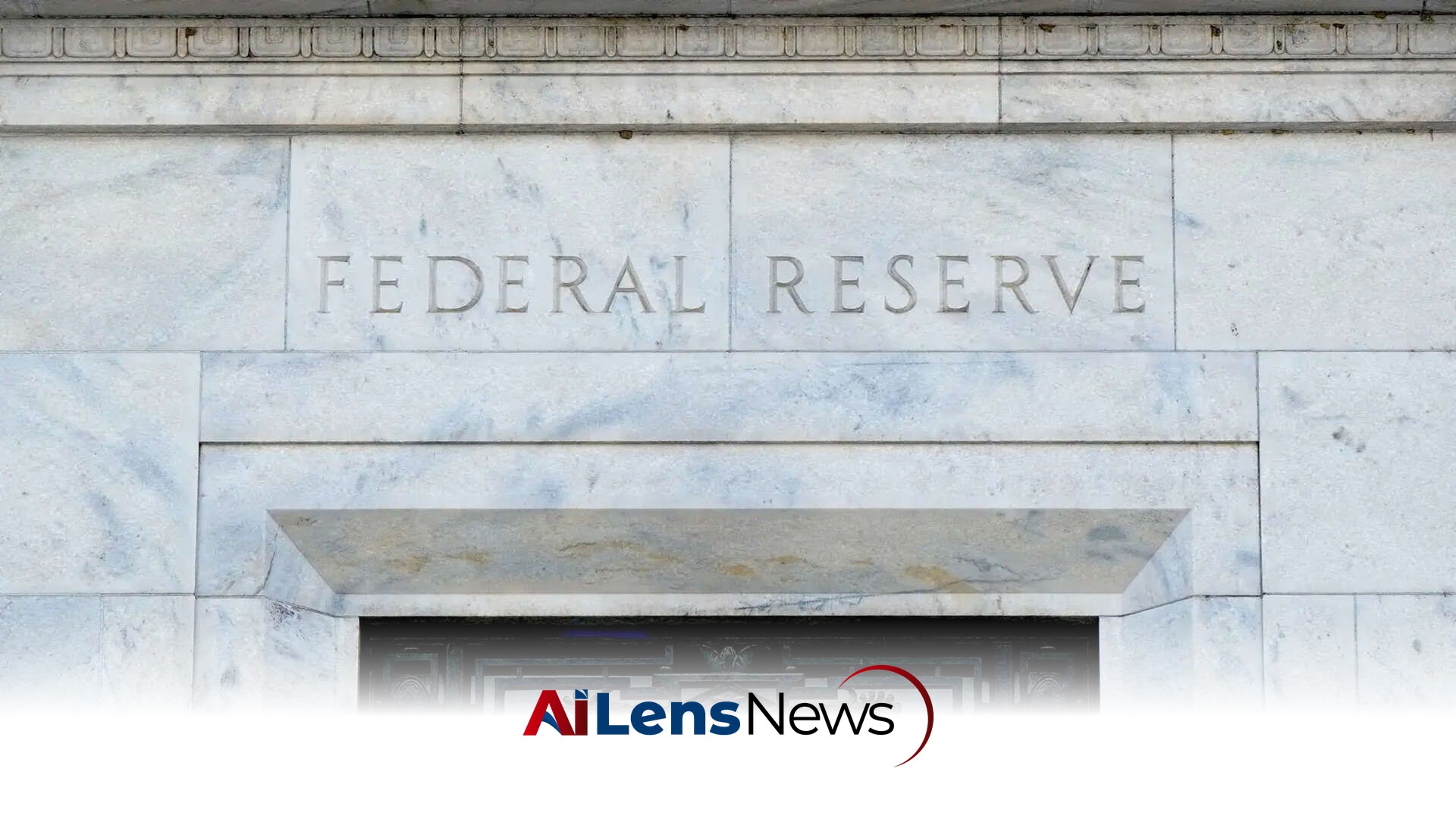


As the Federal Reserve's interest rate decision approaches, gold and silver brace for volatility driven by oil price movements and geopolitical tensions.
New Delhi, India Jul 26, 2026 ALN: Gold and silver are entering a pivotal week influenced by several critical factors, including the Federal Reserve's upcoming interest rate decision, fluctuations in oil prices, and the ongoing US-Iran conflict. Analysts are closely watching these dynamics to determine whether bullion will continue its recent recovery or face renewed pressure. The interconnectedness of these elements not only shapes market sentiment but also reflects broader conditions that can affect consumer behavior and investment strategies.
In addition to the Fed's interest rate decision, investors are also keeping an eye on several key indicators, including US Consumer Confidence, Core Personal Consumption Expenditures (PCE) inflation data, and weekly jobless claims. These metrics provide insights into the health of the US economy, influencing both monetary policy and market expectations. The upcoming announcements from the Bank of England and the Bank of Japan are also expected to shape market sentiment and investor behavior in the coming days, as central banks globally navigate their own challenges.
Market Sentiment Influences
The sentiment in the market is heavily influenced by geopolitical developments, particularly the US-Iran situation, which has implications for oil prices and overall inflation expectations. Jateen Trivedi, a VP Research Analyst at LKP Securities, emphasized that these geopolitical factors are likely to play a significant role ahead of the Federal Reserve's policy decision scheduled for July 29. The complex interplay between these elements can create volatility in the precious metals market, impacting both gold and silver prices. Investors often turn to gold and silver as safe-haven assets during of geopolitical uncertainty, which can lead to increased demand and price fluctuations.
On the domestic front, the performance of gold and silver has shown notable gains recently. For instance, gold futures for August delivery rose by Rs 2,200, or 1.6 percent, closing at Rs 1.43 lakh per 10 grams in the previous week. Similarly, silver futures for September delivery gained Rs 5,735, or 2.7 percent, reaching Rs 2.22 lakh per kilogram on the Multi Commodity Exchange. This upward trend reflects both local demand and broader market conditions influenced by international developments. The increase in prices is indicative of a growing investor appetite for precious metals, which can be attributed to both factors and market psychology.
Global Trends
On a global scale, Comex gold futures for August delivery advanced by USD 52, or 1.3 percent, settling at USD 4,070.8 per ounce. Silver for the September contract also experienced a significant increase, rising by USD 3, or nearly 5 percent, to USD 58.90 per ounce in New York. Such increases indicate a robust demand for precious metals, often seen as safe-haven assets during periods of uncertainty. The rise in prices is not just a reflection of immediate market conditions but also signals investor confidence in gold and silver as long-term stores of value.
Analysts noted that bullion prices experienced sharp fluctuations during the week. This volatility was largely attributed to Brent crude oil briefly reclaiming the USD 100-per-barrel mark following Houthi strikes on Saudi-owned vessels, which raised concerns about potential supply disruptions. Such geopolitical tensions often lead to increased demand for gold and silver, as investors seek to hedge against uncertainty. The oil market's reaction to geopolitical events underscores the intricate link between energy prices and precious metals, where spikes in oil prices can drive up inflation expectations, thereby increasing the allure of gold and silver as hedges.
However, the oil market later retreated as investors began to book profits, which in turn helped precious metals recover towards the end of the week. This pattern underscores the interconnectedness of the commodities market, where developments in one area can significantly impact another. The retreat in oil prices, driven by profit-taking, illustrates the volatile nature of commodities trading, where rapid shifts in investor sentiment can lead to significant price corrections.
Praveen Singh, Head of Commodities at Mirae Asset ShareKhan, indicated that gold and silver are likely to trade within a defined range in the coming days. Traders are expected to remain vigilant, particularly regarding developments surrounding Iran, which could further influence market dynamics. The potential for new sanctions or military actions could heighten tensions, leading to further volatility in both oil and precious metals .
Moreover, it is noteworthy that China's central bank has been actively accumulating gold, particularly in May. This trend reinforces the notion that official-sector demand remains a critical pillar of support for the yellow metal. As one of the largest consumers of gold, China's actions can have a substantial impact on global gold prices. The accumulation of gold by central banks can signal a shift in monetary policy or a strategic move to diversify reserves, which can influence market perceptions and investor behavior globally.
Additionally, traders are expected to keep a close watch on shipping activity through the Strait of Hormuz, a vital passage for global oil shipments. Any disruptions in this area could lead to increased volatility in both oil and precious metals. The Strait of Hormuz is a crucial chokepoint in global oil transportation, and tensions in this region can have far-reaching implications for energy prices and, by extension, inflation and interest rates.
Furthermore, comments from Federal Reserve Chair Kevin Warsh following the policy announcement will be scrutinized for insights on the future trajectory of US interest rates and their potential impact on bullion prices. The Federal Reserve's decisions are particularly influential, as changes in interest rates can affect the opportunity cost of holding non-yielding assets like gold and silver. A lower interest rate environment typically supports higher gold prices, while rising rates can exert downward pressure. As such, the upcoming policy decision is critical for market participants, who will be assessing not only the decision itself but also the accompanying language and tone of the Fed's communication.
In summary, the interplay of the Federal Reserve's interest rate decisions, oil price fluctuations, and geopolitical tensions, particularly regarding the US-Iran conflict, will be crucial in determining the future direction of gold and silver prices. As these factors evolve, investors and analysts alike will be closely monitoring developments to gauge their potential impact on the precious metals market. The current environment reflects a complex web of influences that can lead to both opportunities and risks for investors.
As the week unfolds, the market will likely remain sensitive to any new information or developments that could sway investor sentiment. The combination of indicators, geopolitical events, and central bank policies creates a complex landscape for traders and investors in the precious metals sector. The ability to navigate this environment requires a keen understanding of both macro trends and localized events that can drive market behavior.
Ultimately, the ability of gold and silver to maintain their recent gains or face renewed challenges will depend on how these multifaceted factors play out in the coming days. Investors are advised to stay informed and consider a range of scenarios as they navigate this dynamic market. The importance of diversification and risk management strategies cannot be overstated in such a volatile environment, where sudden shifts in market sentiment can lead to significant price movements.
To learn more about the latest developments in Markets, stay updated with our exclusive reports and analyses on AiLensNews.

