

More
Checking your session
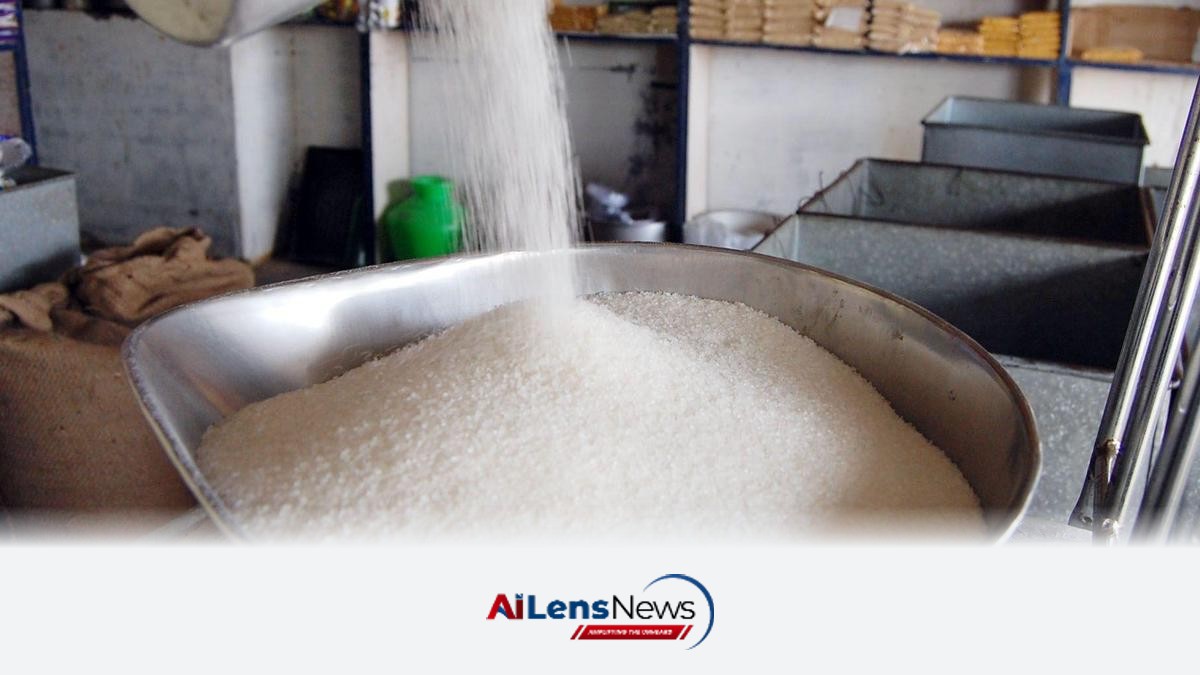



Sugar prices in India have surged by up to 50%, prompting government monitoring and opposition claims of hoarding. This article explores the reasons behind the increase.
New Delhi, India Aug 25, 2026 ALN: The Story So Far: Retail and wholesale prices of sugar have risen by about 40%, with some states experiencing increases of up to 50% compared to the same period last year. In states such as Uttarakhand, Punjab, Madhya Pradesh, and Odisha, prices have exceeded ₹65 per kilogram. As of August 23, Odisha recorded the highest price at ₹67.4 per kilogram, up from ₹55 a week prior, ₹50.78 a month ago, and ₹46.89 on August 23, 2025.
Despite opposition parties raising concerns last week, the Union government has struggled to control the price surge. The opposition has attributed the sharp increase to the diversion of sugar cane for ethanol production. Farmers’ groups contend that the price hike has been artificially inflated by large traders in anticipation of the festive season.
The government has stated that it is closely monitoring the situation and has attributed the price rise to a combination of factors, including:
In response to the escalating prices, the Union Commerce Ministry has issued a notification permitting the import of 10 lakh tonnes of sugar until October 31, 2026. This move aims to stabilize the market and ensure adequate supply during the high-demand period.
As the festive season approaches, the government’s ability to manage sugar prices will be crucial for both consumers and producers. The ongoing situation highlights the complexities of agricultural supply chains and the impact of market dynamics on essential commodities.
The rising sugar prices are not merely a local issue; they reflect broader trends within the agricultural and economic landscape. Sugar is a staple commodity in many households, and its price fluctuations can have significant implications for food inflation. In India, where sugar consumption is deeply embedded in cultural practices, particularly during festivals, the price increase can lead to a ripple effect on the overall economy.
Historically, sugar prices have been volatile, influenced by various factors including monsoon patterns, government policies, and international market trends. The recent surge can be traced back to several interconnected issues. For instance, the diversion of sugar cane for ethanol production has been a contentious topic. Ethanol, which can be produced from sugar cane, is increasingly seen as a renewable energy source. The government has been promoting ethanol blending in fuels to reduce reliance on fossil fuels, which, while environmentally beneficial, has led to a decrease in the availability of sugar for direct consumption.
Moreover, the impact of climate change on agriculture cannot be overlooked. Erratic weather patterns, including unseasonal rains and droughts, have adversely affected sugar cane cultivation in various regions. Farmers have reported lower yields, which, combined with increased production costs, has contributed to the higher retail prices. The agricultural sector is particularly vulnerable to climate variations, and as global temperatures rise, the challenges are expected to escalate further.
In addition to domestic factors, global sugar supply dynamics play a crucial role in local price settings. Countries like Brazil and Thailand are significant players in the global sugar market. Any disruptions in their production due to adverse weather conditions or policy changes can lead to increased competition for sugar imports, further straining local prices. The tightening of global supplies has been exacerbated by rising demand from countries looking to replenish their stocks, particularly in light of the ongoing recovery from the pandemic.
The government’s decision to allow sugar imports is a strategic move to mitigate the immediate crisis. By permitting the import of 10 lakh tonnes, the government aims to enhance domestic supply and stabilize prices ahead of the festive season, a time when sugar consumption typically peaks. However, this move also raises questions about the long-term sustainability of domestic sugar production and the potential impact on local farmers.
While the importation of sugar may provide temporary relief, it could also undermine local producers who are already grappling with rising production costs and lower yields. Farmers have expressed concerns that increased imports could lead to a further decline in prices, making it difficult for them to sustain their livelihoods. The balance between ensuring consumer access to affordable sugar and protecting local farmers is a delicate one that the government must navigate carefully.
The implications of rising sugar prices extend beyond immediate economic concerns. High sugar prices can lead to increased costs for food manufacturers, particularly those producing sweets and confectionery items, which are integral to festive celebrations. This could result in higher prices for consumers, potentially leading to reduced consumption and altering spending patterns. Furthermore, as sugar is a key ingredient in many processed foods, its price increase could contribute to overall inflation, affecting a wide range of products.
As the festive season approaches, the government's ability to manage sugar prices will be crucial for both consumers and producers. The ongoing situation highlights the complexities of agricultural supply chains and the impact of market dynamics on essential commodities. Policymakers will need to consider a multifaceted approach to address the root causes of price volatility, including supporting sustainable agricultural practices, investing in infrastructure to reduce supply chain inefficiencies, and ensuring that farmers receive fair compensation for their produce.
In summary, the surge in sugar prices presents a multifaceted challenge that requires careful consideration of various economic, environmental, and social factors. As stakeholders from farmers to consumers navigate this landscape, the government's response will be critical in shaping the future of sugar pricing and agricultural policy in India.
To learn more about the latest developments in Economy & Policy, stay updated with our exclusive reports and analyses on AILensNews.

The ex-mill price of sugar has decreased to ₹55 per kg, an 18% drop, due to gove…

The Trump administration's proposed fee on H-1B petitions could significantly af…

This article explores how recent relaxations in FDI regulations under Press Note…

India's core industrial sectors recorded a growth of 5.4% in July 2026, marking …

A hawkish stance from the Reserve Bank of India leads to a sell-off in bonds, pu…