

More
Checking your session
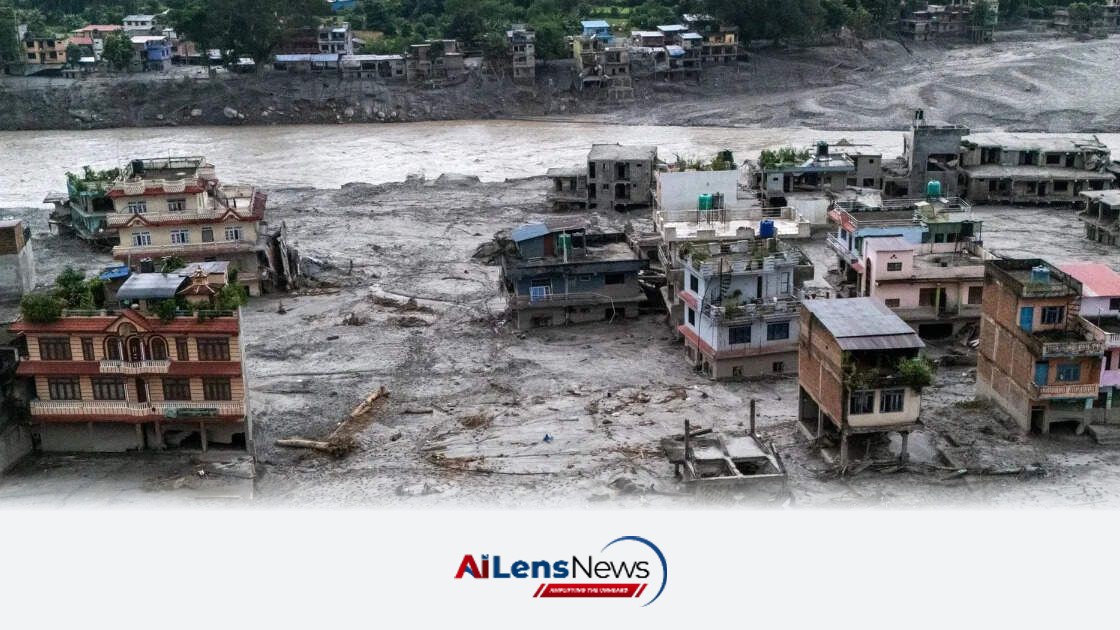



India is set to enhance power flow to Nepal as the country seeks urgent import approvals following significant flood damage to its infrastructure.
New Delhi, India Aug 30, 2026 ALN: India is currently processing requests to increase the power flow to Nepal, which has been severely impacted by recent flash floods. These floods have caused extensive damage to Nepal's power generation infrastructure, prompting the Nepalese government to seek advance import approvals effective September. The situation underscores the vulnerability of Nepal's infrastructure to natural disasters and the critical role that neighboring countries play in providing support during crises.
The flash floods have resulted in significant infrastructural damage to Nepal's power generation units, creating an urgent need for additional power imports. The Nepal Electricity Authority has reported that several power plants have been affected, leading to a temporary shortfall in electricity supply. The floods not only damaged physical structures but also disrupted the maintenance and operational capabilities of these power plants, exacerbating the situation. In a country where the majority of the population relies on electricity for daily activities, the impact of such disruptions can be profound, affecting everything from households to businesses and essential services.
India's national grid has the capacity to absorb this temporary shortfall seamlessly, ensuring that the power supply to Nepal can be maintained. Major cross-border transmission corridors between the two countries remain operational, allowing for a smooth flow of electricity. This capability is particularly crucial given the geographic and climatic challenges that both nations face. India has historically been a significant supplier of electricity to Nepal, and this latest initiative reflects its commitment to regional stability and cooperation. By increasing power exports, India not only helps mitigate Nepal's immediate energy crisis but also strengthens ties, which can lead to further collaborative projects in the future.
In addition to the immediate support, ongoing projects such as the Arun-3 hydropower project continue on schedule, which will further enhance the electricity supply in the region. This project, along with others in the pipeline, is part of a broader strategy to develop Nepal's hydropower potential, which is one of the largest in the world. Nepal is endowed with vast water resources, and harnessing this potential is essential for its long-term energy security and development. Both countries are committed to strengthening their energy ties, which are crucial for Nepal's recovery and development. Collaborative efforts not only focus on energy supply but also on technology transfer and capacity building, which are vital for enhancing Nepal's self-sufficiency in energy production.
As India weighs its steps to assist Nepal, the focus remains on ensuring that the necessary approvals and infrastructure are in place to facilitate a steady flow of electricity. This collaboration not only aids Nepal in overcoming its current challenges but also reinforces the strong bilateral ties between the two nations. The relationship between India and Nepal has historically been characterized by strong cultural, , and political connections. However, it has also faced challenges, including issues related to border disputes and trade agreements. Therefore, the current situation presents an opportunity for both countries to reaffirm their commitment to mutual support and cooperation.
The energy cooperation between India and Nepal has broader implications for regional stability and development. As both countries navigate the complexities of climate change and its impact on natural resources, collaborative efforts in the energy sector can serve as a model for other nations in the region. The successful management of cross-border electricity trade can lead to enhanced energy security, not just for Nepal, but for the entire South Asian region. Furthermore, by investing in renewable energy projects, both countries can contribute to global efforts to combat climate change and transition to more sustainable energy systems.
In conclusion, the recent flash floods in Nepal have highlighted the vulnerabilities in the country's power infrastructure and the critical need for regional cooperation in of crisis. India's proactive response to increase power flow to Nepal demonstrates a commitment to bolstering bilateral ties and supporting Nepal's recovery efforts. As both nations continue to collaborate on energy projects, they pave the way for a more resilient and sustainable future. The ongoing partnership in the energy sector not only addresses immediate challenges but also lays the groundwork for long-term growth and stability in the region.
To learn more about the latest developments in Corporate & Industry Insights, stay updated with our exclusive reports and analyses on AILensNews.

Sashidhar Jagdishan, CEO of HDFC Bank, will retire on October 26 after opting ou…

Kuwait's Ministry of Commerce and Industry is considering significant changes to…

Max Estates has purchased 84.71 acres in West Delhi for Rs 420 crore, aiming for…

Blackstone is set to offer a stake of up to 25.03% in Knowledge Realty Trust, wi…

Amitabh Kant emphasizes the need for Indian companies to invest in rural entrepr…