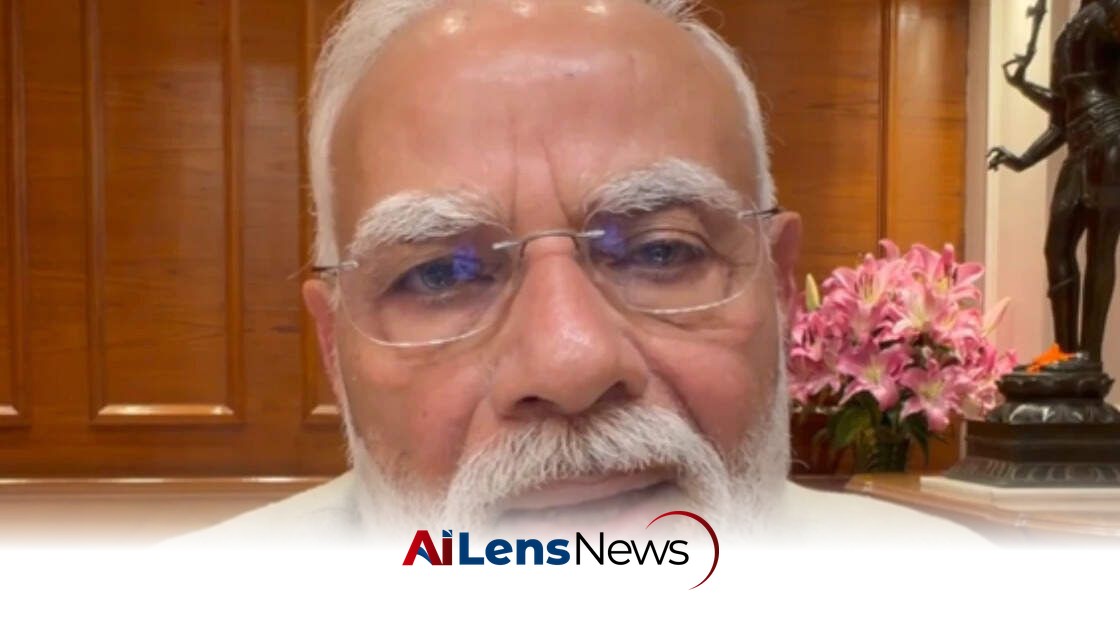


In a recent video message, Prime Minister Modi called for society to guide young protesters who used abusive language, emphasizing forgiveness and compassion over punishment.
New Delhi, India Jul 31, 2026 ALN: Prime Minister Narendra Modi's recent video message, shared on Instagram, has sparked discussions about youth behavior, societal norms, and the role of leadership in addressing dissent. The video was released following a series of protests at Jantar Mantar in Delhi, where demonstrators voiced their anger over the controversial paper leak incident involving the Union Education Minister, Dharmendra Pradhan. This incident has drawn significant attention, not only due to the nature of the protests but also because of the language used by some young protesters, which Modi described as abusive and unbecoming of a civilized society.
The protests at Jantar Mantar are part of a broader pattern of youth activism in India, where young people have increasingly taken to the streets to express their discontent with various government policies and actions. This surge in youth-led protests can be traced back to several factors, including rising unemployment rates, educational issues, and perceived governmental overreach in personal freedoms. The paper leak controversy that triggered the recent protests has further exacerbated these sentiments, as many students felt their futures were jeopardized by systemic failures. In India, the youth demographic accounts for a significant portion of the population, and their concerns often reflect a broader discontent with the political landscape.
In his video, Modi acknowledged the frustration and anger that many young people feel, particularly in the context of their aspirations for education and employment. However, he also expressed concern over the manner in which some of these feelings were articulated. By addressing the abusive language directed at him, including insults aimed at his late mother, Modi sought to highlight the need for civility in political discourse, even amidst heightened emotions. This emphasis on civility is crucial, especially in a country where political discourse can often become heated and divisive.
Modi's call for compassion rather than punishment reflects a deeper understanding of the challenges faced by the youth today. He emphasized that mistakes are a natural part of growing up and that society has a responsibility to guide young people rather than ostracize them for their missteps. This perspective aligns with a growing recognition among leaders and educators that the youth are navigating a complex world filled with pressures that previous generations did not face. The advent of social media, for instance, has amplified voices but also created echo chambers where extreme expressions can thrive, leading to a distortion of the message being conveyed by young activists.
The Prime Minister's analogy about biting one's tongue serves as a poignant reminder that mistakes should not lead to self-harm or societal condemnation. By framing the young protesters as part of a larger family, Modi is advocating for a nurturing approach that seeks to rehabilitate rather than punish. This approach is crucial in a democratic society where dissent is often a vital part of political engagement. When young people feel that their voices are being heard and that their concerns are taken seriously, they are more likely to engage constructively with the political process. This engagement is essential for a functioning democracy, as it fosters a culture of participation and accountability.
Moreover, Modi's message underscores the importance of mentorship and guidance in shaping the future generation. As he stated, the youth must learn from their mistakes and work towards their dreams. This sentiment is particularly significant in the context of India's demographic dividend, where a large proportion of the population is young. Investing in their development through education, vocational training, and emotional support can lead to a more prosperous and stable society. The government’s role in facilitating this development cannot be understated, as policies that promote skill-building and job creation can help alleviate some of the frustrations expressed by the youth.
However, the Prime Minister's call for forgiveness and understanding also raises questions about accountability. While compassion is essential, it is equally important for young people to understand the consequences of their actions. Striking a balance between empathy and accountability is crucial for fostering a responsible and engaged citizenry. Leaders must navigate these complexities carefully to ensure that the message of compassion does not undermine the need for respectful discourse and responsible behavior. This balance is particularly important in an era where the actions of individuals can have far-reaching consequences, especially in the digital age where information spreads rapidly.
The implications of Modi's message extend beyond the immediate context of the protests. It highlights a critical juncture in India's socio-political landscape, where the voices of the youth are becoming increasingly prominent. As young people continue to advocate for their rights and express their frustrations, it is essential for leaders to engage with them constructively. This engagement can take many forms, including open dialogues, forums for discussion, and policies that address the root causes of discontent. Such initiatives can help bridge the gap between the government and the youth, fostering a sense of collaboration rather than confrontation.
In conclusion, Prime Minister Modi's heartfelt appeal for compassion towards young protesters at Jantar Mantar serves as a reminder of the complexity of youth activism in contemporary India. It calls for a nuanced understanding of the challenges faced by young people today and emphasizes the need for a supportive environment that encourages personal growth and civic responsibility. As the nation moves forward, the ability to listen to and learn from the youth will be pivotal in shaping a brighter future for all. The path ahead will require patience, understanding, and a commitment to fostering a dialogue that respects the voices of the younger generation while also encouraging them to engage in constructive and respectful discourse.
To learn more about the latest developments in Corporate & Industry Insights, stay updated with our exclusive reports and analyses on AiLensNews.

