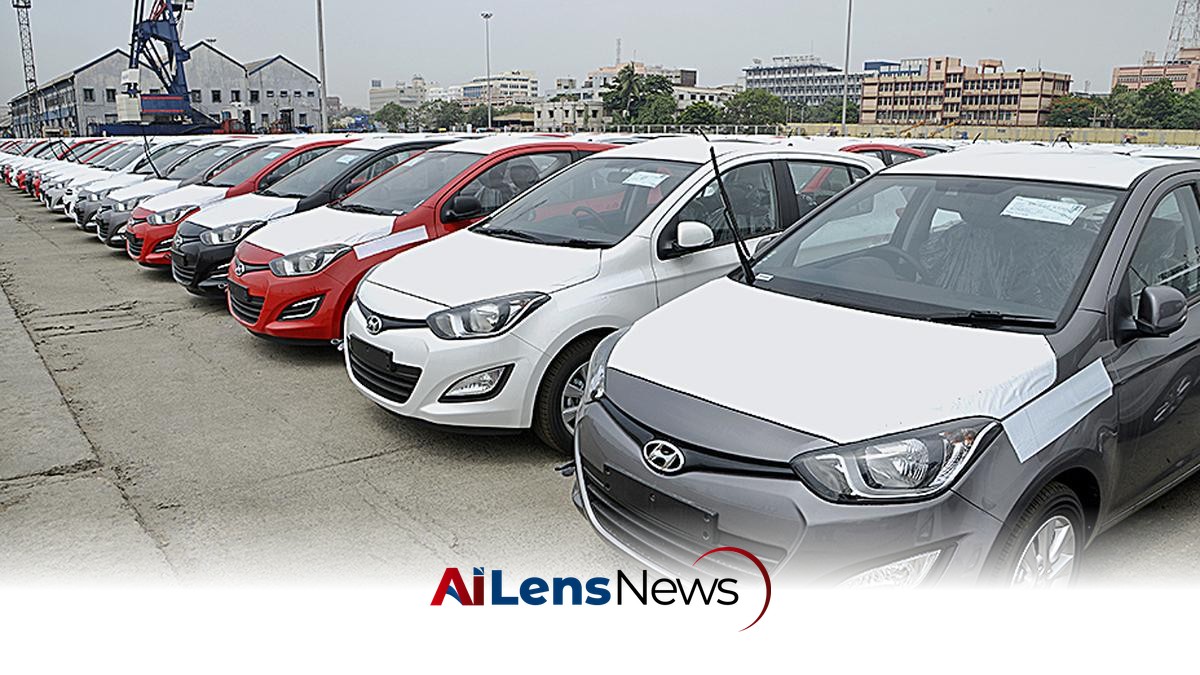


Passenger vehicle dispatches in India hit a record 1.27 million units in Q1 FY27, driven by strong domestic demand despite geopolitical challenges.
New Delhi, India Jul 15, 2026 ALN: Domestic passenger vehicle dispatches from companies to dealers reached a record 1,273,811 units in the first quarter of FY27, marking a significant growth of 25.9%. This surge is attributed to robust domestic demand, even in the face of challenges posed by the ongoing conflict in West Asia, according to the Society of Indian Automobile Manufacturers (SIAM).
In comparison, passenger vehicle dispatches in the same quarter of the previous fiscal year stood at 1,011,884 units. The previous record for dispatches in the first quarter was set in FY25, with 1,030,000 units. This remarkable increase indicates a strong recovery trajectory for the automotive sector, which had faced numerous challenges in the preceding years, including the COVID-19 pandemic and subsequent supply chain disruptions.
SIAM also reported impressive growth across other vehicle segments. Two-wheelers saw a 20.3% increase, totaling 5,628,675 units compared to 4,677,990 units in the same period last year. Three-wheelers achieved their highest-ever Q1 dispatches at 214,339 units, reflecting a growth of 29.7% from 165,211 units in the previous fiscal year. This growth in three-wheelers is particularly noteworthy as it often serves as a barometer for economic activity, indicating increased mobility and demand in urban and semi-urban areas.
Commercial vehicles also experienced a record performance, with sales reaching 265,000 units, an 18.3% increase compared to the same quarter last year. The growth in commercial vehicle sales is indicative of a recovering economy, as these vehicles are essential for logistics and transportation, sectors that are crucial for economic development.
Shailesh Chandra, president of SIAM, attributed the strong performance across all segments to several factors, including supportive domestic demand, lower GST rates, reduced financing costs, and the introduction of new models. The reduction in Goods and Services Tax (GST) rates has played a significant role in making vehicles more affordable, thereby stimulating demand. Lower financing costs have also encouraged consumers to make purchases, as loans become more accessible and affordable.
Despite the challenges posed by geopolitical tensions, consumer sentiment and demand have remained steady. The ongoing conflict in West Asia has raised concerns about fuel prices and supply chain disruptions; however, the Indian automotive sector has shown resilience. The ability of manufacturers to adapt to changing circumstances and maintain production levels has been crucial in sustaining consumer confidence.
In June alone, domestic passenger vehicle dispatches rose by 24.1% year-over-year, totaling 388,144 units compared to 312,851 units in June 2025. Two-wheeler sales increased by 18.6%, reaching 1,851,400 units, while three-wheeler dispatches saw a 26.1% rise to 77,951 units. These monthly figures further illustrate the momentum the automotive sector is experiencing, suggesting that the upward trend in vehicle sales is not merely a seasonal fluctuation but indicative of a larger shift in consumer behavior.
Looking ahead to the second quarter of FY27, SIAM anticipates that steady demand will continue as the industry enters the festive season. The festive period is traditionally a peak time for vehicle sales in India, driven by cultural practices and consumer sentiment that favor purchasing new vehicles during auspicious occasions. However, commodity costs remain a concern for the industry. While the earlier ceasefire in West Asia has eased the supply of gas and other commodities, the situation continues to be monitored closely.
Overall, vehicle costs have remained lower due to the impact of GST 2.0 and the availability of financing at reduced rates, which are contributing to sustained demand. Additionally, recent rainfall has alleviated some monsoon deficiencies, and inflation has remained manageable, further supporting demand in Q1. The positive impact of the monsoon on agricultural productivity could lead to increased disposable income among rural consumers, who are significant buyers of two-wheelers and entry-level passenger vehicles.
The record dispatches in the first quarter of FY27 have significant implications for the automotive industry. The sustained growth suggests that manufacturers may continue to invest in new models and technologies, including electric vehicles (EVs), which are gaining traction in the Indian market. The government's push for green mobility, coupled with rising environmental awareness among consumers, is likely to shape the future of the automotive landscape in India.
Furthermore, the strong performance across vehicle segments may encourage manufacturers to expand their production capacities and enhance their supply chains to meet the growing demand. This could lead to job creation within the sector, contributing to overall economic growth. However, the industry must remain vigilant regarding potential challenges, including fluctuations in raw material prices, global supply chain disruptions, and changing consumer preferences.
In conclusion, the record passenger vehicle dispatches in Q1 FY27 reflect a robust recovery and growth trajectory for the Indian automotive sector. The combination of favorable economic conditions, supportive government policies, and evolving consumer preferences will likely continue to drive demand in the coming quarters. As the industry navigates both opportunities and challenges, its ability to adapt and innovate will be key to sustaining this momentum in the future.
The automotive sector is not just a significant contributor to the Indian economy in terms of GDP but also plays a crucial role in employment generation. The growth seen in vehicle dispatches is likely to have a multiplier effect on related industries, including parts manufacturing, logistics, and retail. This interconnectedness emphasizes the importance of a stable and growing automotive sector for the broader economic health of the country.
As the Indian government continues to promote initiatives like 'Make in India' and the push towards electric mobility, the automotive industry is expected to align its strategies accordingly. The emphasis on local manufacturing and sustainability could lead to innovations that not only cater to domestic demands but also enhance India's position in the global automotive market.
Moreover, the automotive sector's recovery and growth could also have implications for foreign direct investment (FDI). A thriving automotive industry is likely to attract international players looking to capitalize on the growing consumer base and the evolving market dynamics. This could lead to technological transfers and collaborations that further enhance the industry's capabilities.
The record performance in Q1 FY27, therefore, is not just a reflection of current consumer demand but also a signal of the potential future trajectory of the automotive sector in India. Stakeholders, including manufacturers, policymakers, and consumers, must work collaboratively to ensure that the growth is sustainable and inclusive, addressing challenges such as environmental impact and resource management as the sector evolves.
In summary, the impressive growth in passenger vehicle dispatches and the overall performance of the automotive sector in Q1 FY27 is a positive indicator of economic resilience and consumer confidence. As the sector gears up for future challenges and opportunities, its trajectory will be closely watched, not only for its economic implications but also for its role in shaping the future of mobility in India.
To learn more about the latest developments in Corporate & Industry Insights, stay updated with our exclusive reports and analyses on AiLensNews.

