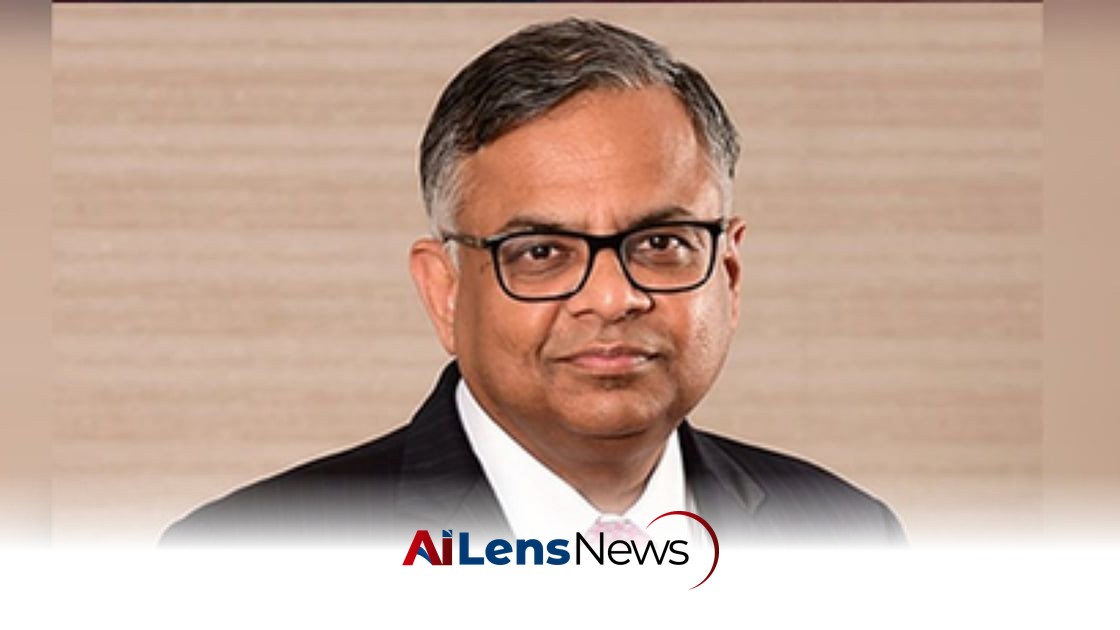


N Chandrasekaran has stepped down as chairman of Tata Sons and will not pursue reappointment when his term ends in February 2027, marking a significant leadership change.
New Delhi, India Aug 12, 2026 ALN: Tata Sons chairman N Chandrasekaran tendered his resignation on Wednesday, August 12, and will complete his current term without seeking reappointment, according to media reports.
The development comes months after Tata Sons postponed a decision on extending Chandrasekaran’s tenure. In February, Noel Tata, chairman of Tata Trusts, had opposed his reappointment, Reuters had earlier reported.
Chandrasekaran joined the Tata group in 1987 and rose through the ranks before becoming CEO and managing director of Tata Consultancy Services (TCS) in 2009. He took over as chairman of Tata Sons in 2017. His journey within the Tata group is emblematic of the organization's commitment to nurturing talent and fostering leadership from within, a hallmark of the Tata ethos.
The Tata group, founded in 1868 by Jamsetji Tata, has a rich history and has played a pivotal role in shaping India's industrial landscape. It operates in various sectors, including steel, automobiles, information technology, and consumer goods, employing hundreds of thousands of people and impacting millions of lives across the globe. The group's diverse portfolio has allowed it to remain resilient in the face of economic fluctuations, but it also requires astute leadership to navigate the complexities of modern business.
Chandrasekaran’s tenure as chairman of Tata Sons was marked by a focus on digital transformation and strategic investments across various sectors. Under his leadership, Tata Consultancy Services (TCS) continued to grow, maintaining its position as one of the largest IT services companies in the world. His emphasis on innovation and technology helped the group navigate the challenges posed by the rapidly changing global market. Chandrasekaran spearheaded initiatives that integrated advanced technologies like artificial intelligence and cloud computing into the company’s operations, thereby enhancing efficiency and customer engagement.
However, his leadership was not without controversy. The decision to postpone discussions regarding his reappointment indicates underlying tensions within the Tata group, particularly concerning governance and succession planning. Noel Tata's opposition to Chandrasekaran's reappointment suggests a potential rift within the Tata Trusts, which play a crucial role in the governance of the Tata group. The Trusts hold a significant stake in Tata Sons and influence key decisions regarding the leadership and strategic direction of the conglomerate. This internal conflict raises questions about the future governance structure of the Tata group and its approach to leadership transitions.
The implications of Chandrasekaran’s resignation are profound. As one of the most influential figures in Indian business, his departure could signal a shift in strategy for Tata Sons. The Tata group has been known for its legacy of ethical business practices and social responsibility. The new leadership will need to uphold these values while steering the conglomerate through the complexities of the modern business environment. The challenge for the new chairman will be to maintain the delicate balance between profitability and social responsibility, a core principle that has guided the Tata group for over a century.
Moreover, the Tata group is currently navigating several challenges, including competition in the automotive sector, the ongoing digital transformation, and the need for sustainable practices in response to global environmental concerns. The automotive sector, in particular, is undergoing a significant transformation with the rise of electric vehicles and the push for greener technologies. The new chairman will need to address these challenges while also ensuring the group's continued growth and relevance in a rapidly evolving marketplace.
Chandrasekaran's leadership style, characterized by a collaborative approach and a focus on employee engagement, has been pivotal in fostering a culture of innovation within the group. His departure may lead to changes in corporate culture, depending on the leadership style of his successor. The Tata group has always prided itself on its strong corporate governance and ethical practices, and maintaining this reputation will be crucial for the new leadership. The new chairman will be expected to carry forward the group’s commitment to corporate social responsibility, which includes initiatives in education, healthcare, and rural development.
Looking ahead, the Tata group will need to identify a successor who not only has the requisite business acumen but also aligns with the group’s values and vision for the future. The process of selecting a new chairman will likely involve considerable deliberation among the Tata Trusts and other stakeholders to ensure a seamless transition. This transition period is critical as it will set the tone for the future direction of the group and influence investor confidence and employee morale.
The Tata group has a history of navigating leadership changes, and the resilience of the organization will be tested once again. The next few months will be critical as the board and stakeholders work to define the future direction of the group in the wake of Chandrasekaran's resignation. The new leadership will need to address immediate challenges while also laying the groundwork for long-term strategic initiatives.
In conclusion, N Chandrasekaran's resignation as chairman of Tata Sons marks a pivotal moment in the history of one of India's most respected business houses. As the group prepares for this transition, the focus will inevitably shift to how it adapts to new challenges and opportunities in the global business landscape. The coming months will be crucial in determining the future trajectory of the Tata group and its ability to continue its legacy of excellence and social responsibility. The leadership transition will not only impact the Tata group but could also have broader implications for the Indian business landscape, as the group has been a trendsetter in corporate governance and ethical business practices.
To learn more about the latest developments in Financial Literacy, stay updated with our exclusive reports and analyses on AiLensNews.

