

Student leaders in Jharkhand plan to escalate their protests against alleged irregularities in recruitment exams, demanding a CBI inquiry and the resignation of Chief Minister Hemant Soren.
New Delhi, India Aug 15, 2026 ALN: Ranchi (Jharkhand) [India]: Student leaders in Jharkhand have announced a significant escalation in their protests against alleged irregularities in the recruitment examinations conducted by the Jharkhand Public Service Commission (JPSC) and the Jharkhand Staff Selection Commission (JSSC). On August 20, they plan to burn effigies of Chief Minister Hemant Soren and Congress leader Rahul Gandhi across all 24 district headquarters.
The students are demanding the cancellation of the JSSC CGL and JPSC examinations, as well as a Central Bureau of Investigation (CBI) inquiry into the alleged irregularities. If their demands are not met, they have vowed to surround the Chief Minister's residence in Ranchi.
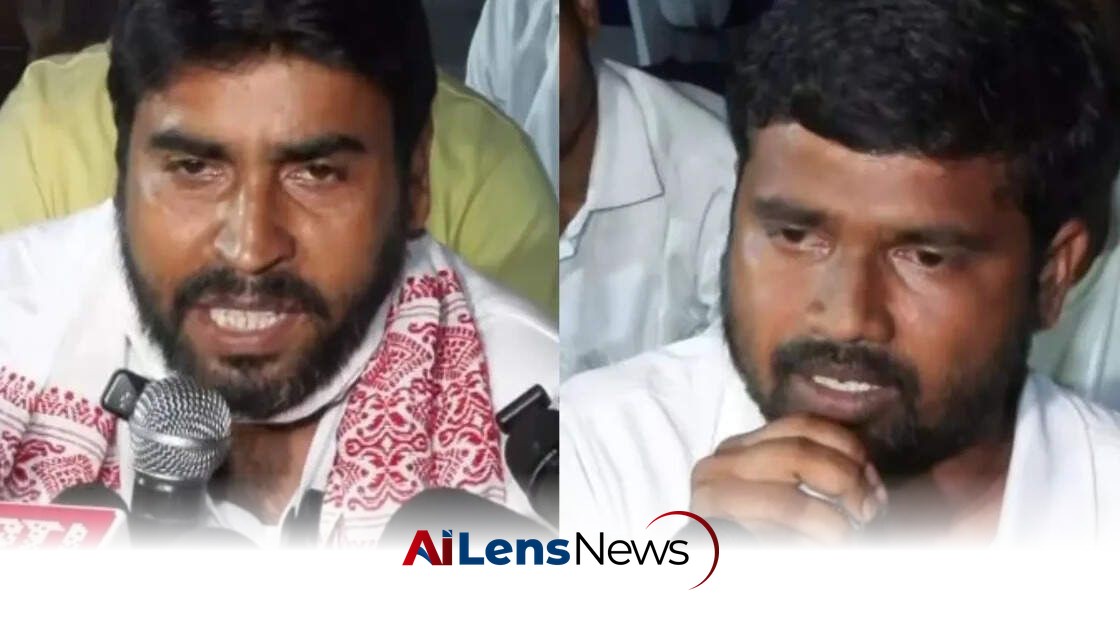
During a press conference in Ranchi, student leader Piyush Kumar stated that the agitation would move beyond peaceful protests. "We will burn effigies at district headquarters across the state, including in Ranchi, starting tomorrow," he declared. This statement marks a pivotal moment in the protests, indicating a shift from peaceful demonstrations to more aggressive tactics aimed at drawing attention to their cause.
Another student leader, Ravinder Paswan, emphasized that the effigies would represent both Chief Minister Soren and Rahul Gandhi, accusing the Congress of supporting the Jharkhand government despite the students' demands. "Today I am telling you...We will burn effigies not only of Hemant Soren but also of Rahul Gandhi in all 24 districts as well," Paswan said. This dual-target approach highlights the students' frustration not only with the state government but also with national political figures who they feel have not adequately supported their cause.
The student leaders have made it clear that they will intensify their agitation if their demands are not addressed. Kumar mentioned that the previous protest on August 10 was merely a preview, stating, "If all the exams conducted by the agency are not cancelled and a CBI inquiry is not conducted, all the students and youth of Jharkhand will surround the CM's residence on the 20th and stay there until they fulfil our legitimate demands." This ultimatum reflects the students' determination and signals a potential escalation in the conflict between the protesters and the government.
Paswan also warned that the nature of their protests would change, saying, "We have had enough of Gandhian methods and peaceful protests. They simply aren't listening. We are now going to adopt the path of Bhagat Singh. We are prepared to face bullets, even if the government shoots us in the chest, for this cause." He issued an ultimatum to the government to meet their demands by August 18, underscoring the urgency and seriousness of their claims.
The protests have been ongoing for 22 days, with student leader Devendra Nath Mahto currently on an indefinite hunger strike. Mahto has alleged that police prevented him from participating in an Independence Day event and accused law enforcement of assaulting students. His hunger strike has drawn attention to the students' plight and has become a symbol of their struggle for justice and accountability from the government.
In response to the protests, Chief Minister Hemant Soren stated that the state government is committed to ensuring transparency in recruitment examinations and improving the education system. He mentioned the launch of the initiative "Chhatron Ki Baat - Chhatron Ke Sath" to gather suggestions from students on enhancing the education system. However, many students feel that these measures are insufficient and do not address the core issues they are raising.
The situation remains tense as students prepare for their planned protests, and their demands for accountability and reform continue to grow louder. The protests reflect broader concerns regarding the integrity of recruitment processes in India, particularly in states like Jharkhand, where allegations of corruption and mismanagement in public service examinations have surfaced in the past.
The Jharkhand Public Service Commission and the Jharkhand Staff Selection Commission are responsible for conducting examinations for various government positions in the state. Allegations of irregularities in these examinations have been a recurring issue, leading to public outcry and protests from students and job seekers. Many believe that the recruitment process has been marred by favoritism, nepotism, and other forms of corruption, which undermine the meritocracy that such examinations are supposed to uphold.
This ongoing unrest is not an isolated incident but part of a larger narrative regarding the challenges faced by youth in India, particularly in securing stable employment. As the economy grapples with various challenges, the competition for government jobs has intensified, making the stakes higher for students and job aspirants. The protests in Jharkhand resonate with similar movements across the country, where students are increasingly vocal about their rights and the need for fair treatment in the recruitment process.
The escalation of protests in Jharkhand has significant implications for the state government and its approach to governance. If the demands of the students are not met, there is potential for further unrest, which could destabilize the current administration. The government's response to these protests will likely be scrutinized, not only by the students but also by the general public and political opponents. There is a risk that failure to address the students' concerns could lead to a loss of support for the ruling party, especially among the youth demographic.
Moreover, the situation raises questions about the efficacy of existing mechanisms for ensuring transparency and accountability in recruitment processes. As student leaders call for a CBI inquiry into the alleged irregularities, the pressure mounts on the government to demonstrate its commitment to upholding the rule of law and addressing grievances effectively.
In conclusion, the protests in Jharkhand represent a critical moment for the state's education and employment landscape. The outcome of these demonstrations could have lasting effects on public trust in the government and the integrity of recruitment processes in the region. As students prepare for their planned actions, the eyes of the nation will be on Jharkhand, watching how the government responds to these escalating demands for justice and reform.
To learn more about the latest developments in Corporate & Industry Insights, stay updated with our exclusive reports and analyses on AiLensNews.

