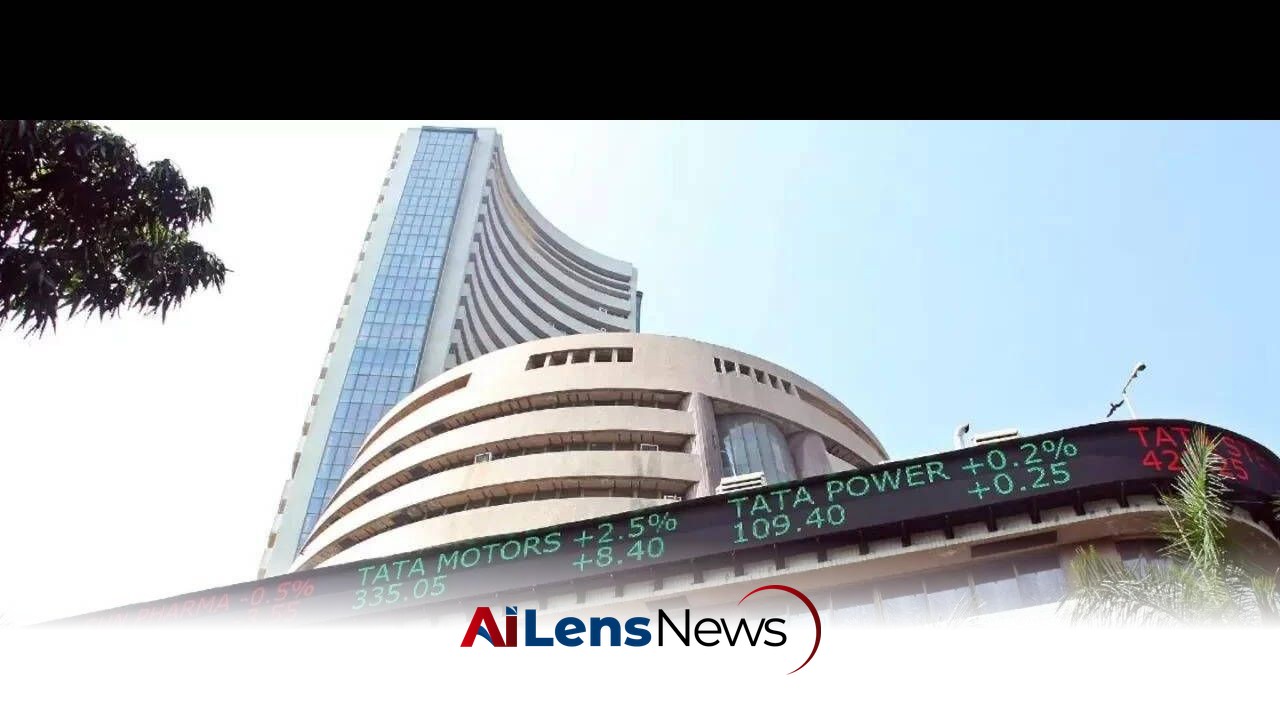


The Indian stock market closed the week on a high note, with Sensex gaining 964 points and Nifty rising 262 points, driven by robust earnings and IT sector buying.
New Delhi, India Jul 17, 2026 ALN: The Indian stock market experienced a remarkable surge on Friday, with both the Sensex and Nifty indices rising over 1%, signaling a positive end to the trading week. This notable increase was primarily driven by robust first-quarter earnings reports, a substantial influx of investments in Information Technology (IT) stocks, and various other factors that enhanced investor sentiment, even in the face of a downturn in global . This surge is significant not just for its immediate impact but also for the broader implications it holds for the Indian economy and investor behavior moving forward.
The Sensex, which is a benchmark index of the Bombay Stock Exchange (BSE), surged by more than 964 points to close at 78,151. Meanwhile, the Nifty 50, which is the National Stock Exchange's (NSE) flagship index, gained approximately 262 points, finishing the session at 24,334. This rally is particularly noteworthy given that the broader market exhibited weakness, with both the Nifty Midcap 100 and Nifty Smallcap 100 indices declining by up to 0.4%. Such contrasting movements highlight the selective nature of the current market dynamics, where large-cap stocks are drawing significant investor interest.
Investor optimism was especially pronounced for large-cap stocks, particularly within the IT and banking sectors. Vinod Nair, Head of Research at Geojit Investments, observed that this trend is underpinned by positive business updates and rising expectations surrounding Q1 earnings. The IT sector, which has been a key driver of India's growth over the past two decades, has shown resilience and adaptability, attracting significant capital inflows as companies report better-than-expected earnings. The banking sector, too, has benefitted from improved asset quality and a recovery in credit demand, contributing to overall market buoyancy. This growing confidence in IT and banking stocks reflects a broader trend where sectors perceived as stable and growth-oriented are favored by investors amidst uncertainty.
Nair further elaborated that domestic institutional investors are increasingly shifting their portfolios away from expensive mid- and small-cap stocks, opting instead for large-cap stocks that present a more favorable risk-reward profile. This shift is indicative of a broader trend where investors are becoming more cautious, favoring stability and reliability over the potential high returns that smaller stocks might offer. Additionally, there is a growing interest in consumer durables, driven by expectations of healthy domestic demand in the latter half of the fiscal year 2027. As consumer confidence rebounds, companies in this sector are likely to benefit from increased spending, further supporting stock valuations. The consumer durables sector's performance is often closely tied to indicators such as employment rates and disposable income levels, making it a critical area to watch as the fiscal year progresses.
The momentum observed in the market appears to be largely driven by domestic institutional investors, as they continue to rotate out of mid- and small-cap stocks that have seen inflated valuations. This strategic pivot towards large caps suggests a more cautious approach among investors, who are seeking stocks that are perceived to be more attractively priced relative to their earnings potential. Nair highlighted that the overall market sentiment remains constructive, characterized by selective profit booking and buying, reflecting an optimistic outlook for India’s recovery. This cautious optimism is particularly relevant as investors navigate the complexities of both domestic indicators and external geopolitical tensions.
Rupak De, Senior Technical Analyst at LKP Securities, provided valuable insights into the technical outlook for the Nifty index. He noted that the index has successfully broken out of a five-day consolidation phase, which is often seen as a bullish signal. This breakout indicates increasing optimism among traders and investors, suggesting that the market may be poised for further gains. The Nifty's ability to trade above its critical moving averages is a positive sign, as it indicates that the index is maintaining upward momentum. Furthermore, the Relative Strength Index (RSI), a key indicator used to assess the market's strength, has entered a bullish crossover, reinforcing the prevailing positive sentiment. Technical indicators like RSI and moving averages are vital for traders as they help in making informed decisions regarding entry and exit points in the market.
In the near term, analysts predict that the Nifty index is likely to maintain its strength, with potential advancements towards the 24,800 level. However, immediate support is positioned at 24,200; a decisive fall below this threshold could trigger a period of consolidation, which may lead to increased volatility in the market. Investors are advised to remain vigilant and monitor these critical levels closely, as they could dictate the market's direction in the coming sessions. This advice underscores the importance of a proactive investment strategy, especially in a market characterized by rapid changes and uncertainties.
Despite the backdrop of a global market downturn, which has affected many international indices, Dalal Street exhibited remarkable resilience on Friday. The significant surge in the Indian stock market was driven by strong domestic factors, including robust earnings reports and strategic shifts in investor sentiment. As the market continues to show signs of positive momentum, investors remain hopeful about the prospects for further gains. The current market dynamics underscore the importance of a diversified investment approach, as investors navigate the complexities of both domestic and global landscapes. This is particularly relevant as the global economy grapples with challenges such as inflationary pressures, supply chain disruptions, and geopolitical tensions.
In summary, the Indian stock market's performance reflects a confluence of factors that include strong corporate earnings, strategic investment decisions by institutional players, and a resilient outlook. As the fiscal year progresses, market participants will be closely watching for further developments that could influence investor sentiment and market performance. The ongoing rotation towards large-cap stocks may also signal a shift in investor behavior, as caution prevails in the face of external uncertainties. Overall, the developments on Dalal Street will be pivotal for shaping the investment landscape in India, and continued monitoring of both domestic and global factors will be essential for stakeholders. The interplay between investor sentiment, corporate performance, and macro indicators will likely define the trajectory of the Indian stock market in the coming months.
To learn more about the latest developments in Markets, stay updated with our exclusive reports and analyses on AiLensNews.

