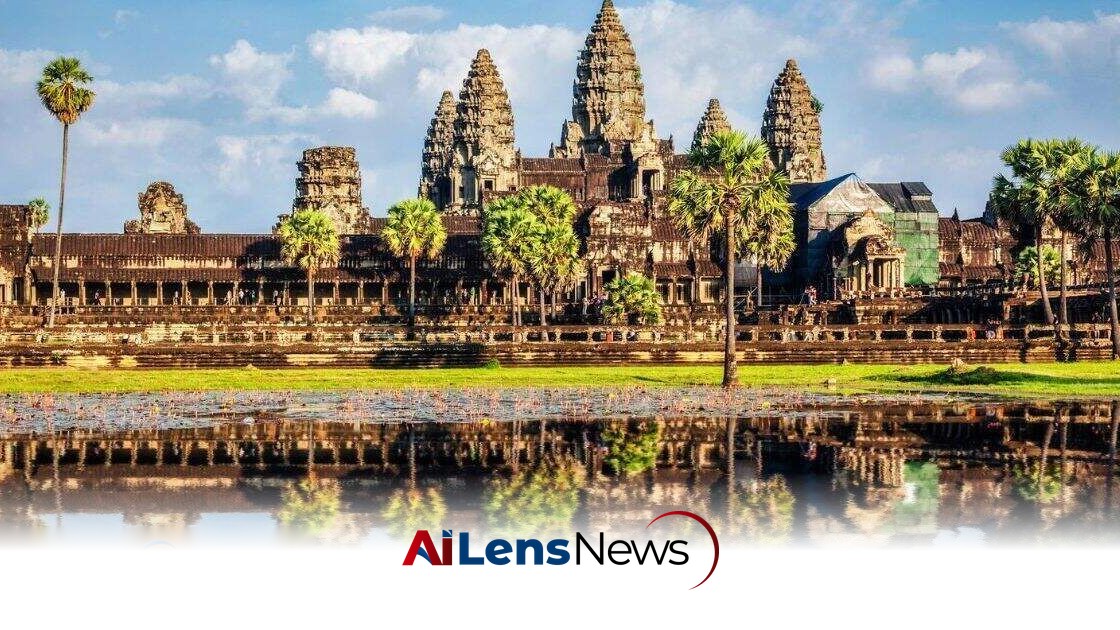


India has engaged in preserving shared civilizational heritage across Asia, including restoration projects in Sri Lanka, Cambodia, and Indonesia.
New Delhi, India Jul 8, 2026 ALN: India has long been recognized for its rich cultural heritage and historical significance, not only within its own borders but also across various regions in Asia. The country's commitment to preserving shared civilizational heritage has manifested in numerous initiatives aimed at restoring and conserving ancient temples and monuments in neighboring countries. This cultural diplomacy is seen as a way to strengthen ties between India and its partners, while also promoting mutual respect and understanding of shared hi.
In recent years, India has engaged in significant restoration work on temples in countries such as Sri Lanka and Cambodia. These efforts are part of a broader strategy to enhance cultural ties and foster goodwill among nations. The Indian government has recognized that cultural connections can serve as a bridge for diplomatic relations, and thus, has actively pursued projects that help revive and maintain historical sites that hold significance not only for India but also for the countries involved.
One of the most notable recent collaborations is with Indonesia, where India has taken on the task of conserving the Prambanan Temple complex, a UNESCO World Heritage site located in Yogyakarta. The Prambanan Temple, known for its stunning architecture and intricate carvings, is dedicated to the Hindu deities Shiva, Vishnu, and Brahma. During a visit to the site, Indian Prime Minister Narendra Modi and Indonesian President Prabowo Subianto unveiled a plaque marking the inauguration of this joint conservation project. This partnership underscores the importance of cultural heritage and the shared history between the two nations, further solidifying their diplomatic relationship.
India's commitment to cultural preservation is not limited to Indonesia. Over the past twelve years, the Indian government has extended its support to various countries in reviving their historical sites. In 2015, India signed a Memorandum of Understanding (MoU) to provide substantial financial assistance for the restoration of the Thiruketheeswaram Temple in Sri Lanka, which is dedicated to Lord Shiva. This temple is one of the five ancient Pancha Ishwarams, and its restoration is significant for the local Hindu community, as it is a vital part of their spiritual heritage.
In addition to Sri Lanka, India has been involved in the restoration of the My Son Sanctuary in Vietnam, a significant Shaivite temple complex that served as a religious center for the ancient Champa Kingdom. The MoU signed in 2014 for this project highlights India's commitment to preserving the architectural legacy of Hindu civilization in Southeast Asia. Furthermore, since 2022, India has also been engaged in restoring key sections of the Angkor heritage complex in Cambodia, which includes famous sites such as Ta Prohm and Angkor Wat. These restoration efforts not only enhance the physical structure of these monuments but also promote tourism and cultural exchange.
India's cultural diplomacy extends beyond Southeast Asia. In 2017, the Indian government signed an MoU to restore earthquake-damaged monuments in the UNESCO-listed Bagan Archaeological Zone in Myanmar. The Archaeological Survey of India (ASI) took the lead on this project, restoring twelve historic pagodas that are integral to the region's cultural landscape. The same year, India also initiated restoration projects in Nepal, where it provided USD 50 million in post-earthquake reconstruction assistance to restore 28 cultural heritage sites. This effort was crucial in helping Nepal recover from the devastating earthquake that struck the country in 2015.
India's involvement in cultural restoration is not confined to its immediate neighbors. The country has also financed the reconstruction of the nearly 300-year-old Joy Kali Mata Temple in Natore, Bangladesh, through grant assistance in 2020. This initiative reflects India's dedication to preserving important centers of Hindu faith and cultural identity across the region. Additionally, India's support for the restoration of the Anandomoyee Kali Mata Mandir and the Ramakrishna Temple further emphasizes its commitment to safeguarding Hindu heritage in Bangladesh.
In 2021, India's assistance for the reconstruction of the historic Ramna Kali Temple in Bangladesh was announced. This temple, which was destroyed during Pakistan's Operation Searchlight in 1971, holds significant historical and cultural importance for the Hindu community in Bangladesh. The inauguration of the temple in 2021 marked a major milestone in restoring a vital Hindu shrine, reinforcing the shared civilizational ties between India and Bangladesh.
Looking ahead, India has plans to assist in the restoration of the Vat Phou Temple in Lao PDR, a UNESCO-listed site that is nearly 1,000 years old and regarded as one of Southeast Asia's oldest surviving symbols of Sanatan civilization. This project is expected to further strengthen India's cultural ties with Laos and enhance the understanding of shared heritage among the countries in the region.
During his address at the Prambanan Temple complex, Prime Minister Modi emphasized the importance of cultural legacy in connecting people from different geographies. He highlighted how these restoration efforts are not merely about preserving physical structures but are also about fostering international ties and promoting a sense of unity among diverse cultures. By investing in cultural heritage, India is not only contributing to the preservation of historical sites but also reinforcing the idea that shared heritage can serve as a foundation for stronger diplomatic relationships.
In conclusion, India's active engagement in restoring and conserving heritage sites across Asia exemplifies its commitment to cultural diplomacy and the preservation of shared civilizational heritage. These initiatives not only enhance India's standing on the global stage but also promote mutual respect and understanding among nations. As India continues to collaborate with various countries on cultural restoration projects, it reinforces the notion that heritage transcends borders and plays a crucial role in fostering international relationships.
To learn more about the latest developments in Corporate & Industry Insights, stay updated with our exclusive reports and analyses on AiLensNews.

